Cracks Inside a Watermelon: Should You Stop Eating It?
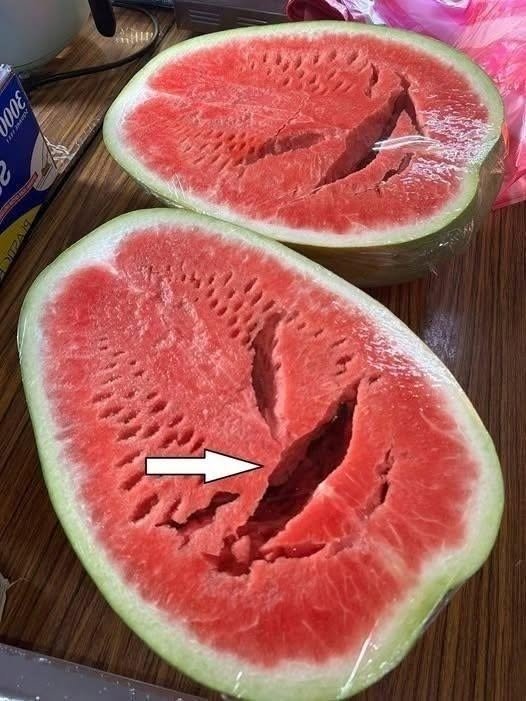
Cutting open a watermelon and finding cracks or splits inside can be surprising. You might immediately wonder whether something went wrong—or whether the fruit is unsafe to eat.
The good news is that cracks inside a watermelon don’t automatically mean the watermelon is spoiled or dangerous. However, the appearance of the cracks, the texture, smell, and color of the flesh can help you decide whether it should be eaten.
Why Does a Watermelon Have Cracks Inside?
Internal cracks can sometimes develop while the watermelon is growing. Rapid changes in water availability, growing conditions, or the fruit’s internal structure can contribute to splitting.
One phenomenon sometimes associated with internal cracking is called hollow heart. In this condition, gaps or cracks can appear inside the watermelon while the outside still looks normal.
Despite its unusual appearance, hollow heart does not automatically indicate that the fruit is rotten.
When Should You Avoid Eating It?
The cracks themselves aren’t necessarily the problem. What matters is whether there are signs of spoilage.
It’s best to discard the watermelon if you notice:
A strong sour, fermented, or unpleasant smell
Slimy or unusually soft flesh
Mold
Significant discoloration
Liquid leaking from the fruit
A fizzy or fermented taste
If the watermelon has been cut and stored improperly or left at room temperature for too long, bacteria can also become a concern.
What If the Watermelon Looks Normal?
If the flesh is still firm, juicy, normally colored, and smells fresh, internal cracks alone don’t necessarily mean you need to throw it away.
You may notice that the texture around the cracks is slightly different, but that doesn’t automatically mean the entire fruit is unsafe.
When in doubt, however, it’s safer to discard questionable produce rather than risk eating spoiled food.
How to Choose a Good Watermelon
When buying a watermelon, look for one that:
Feels heavy for its size
Has a firm, intact surface
Doesn’t have leaking or soft areas
Has no obvious mold or deep damage
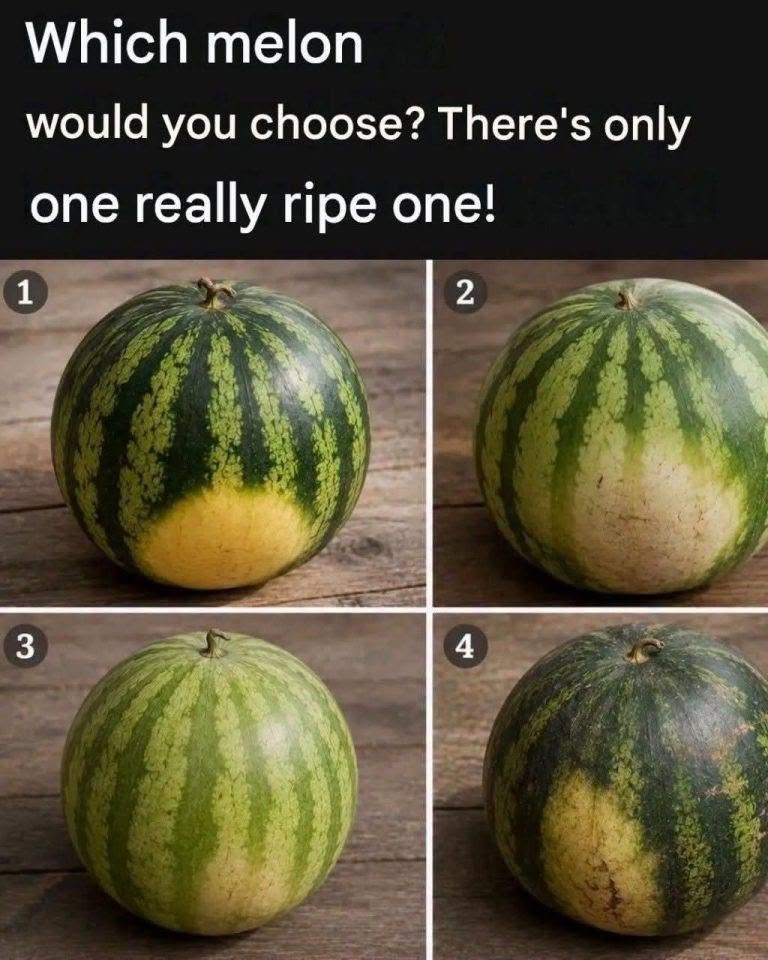
Has a healthy-looking field spot
After cutting it, refrigerate leftover watermelon promptly and keep it covered.
The Bottom Line
Don’t panic if you see cracks inside a watermelon. Internal cracks can occur naturally during growth and don’t automatically mean the fruit is unsafe.
Instead, check the watermelon as a whole. A fresh smell, normal color, and firm texture are reassuring signs, while mold, slime, fermentation, or an unpleasant odor are reasons to throw it away.
So before you immediately stop eating your watermelon, look beyond the cracks—the condition of the fruit is what really matters.