Life After Colorectal Cancer: What Survivors and Families Should Know
Finishing cancer treatment can be one of the most emotional moments in a person’s life. There may be relief, happiness, gratitude, and celebration—but also uncertainty about what comes next.
For many colorectal cancer survivors, the end of treatment does not mean the end of medical care. Follow-up appointments, monitoring, managing treatment effects, emotional recovery, and rebuilding everyday routines can all remain important parts of survivorship.
The End of Treatment Is a New Beginning
After months of surgery, chemotherapy, radiation, or other treatments, returning to normal life can take time.
Some people feel ready to move forward immediately. Others may continue to worry about their health or wonder whether every new ache or change means the cancer has returned.
That uncertainty is common. The American Cancer Society notes that people may feel both relieved and worried after treatment, particularly about recurrence.
There is no single “right” way to feel after cancer treatment.
Follow-Up Care Still Matters
One of the most important steps after treatment is having a personalized follow-up plan.
Depending on the individual’s cancer stage, treatment history, and other factors, follow-up may involve:
Regular medical appointments
Physical examinations
Blood tests
Imaging tests when appropriate
Colonoscopy
Monitoring for long-term treatment side effects
Screening for other cancers when appropriate
The exact schedule is different from person to person, so survivors should follow the plan developed by their healthcare team rather than relying on another patient’s schedule.
A survivorship care plan can also help organize treatment history, future appointments, recommended tests, and possible long-term effects.
Why Colonoscopy Can Still Be Important
A person who has completed treatment for colorectal cancer may still need follow-up colonoscopies.
The American Cancer Society explains that, in many cases, a colonoscopy is recommended around one year after surgery, with subsequent timing depending on the results and individual circumstances. Abnormal findings such as polyps can lead to more frequent examinations.
The important point is simple:
Finishing treatment does not mean ignoring future screening and follow-up.
Your healthcare provider can determine the appropriate schedule for you.
Don’t Ignore New or Persistent Changes
After treatment, survivors should tell their healthcare team about new or persistent symptoms rather than assuming they are simply part of recovery.
Depending on the situation, symptoms that deserve medical attention can include:
Changes in bowel habits
Blood in or on the stool
Persistent abdominal discomfort
Unexplained weight loss
Ongoing diarrhea or constipation
A feeling that the bowel doesn’t empty completely
Unexplained anemia
These symptoms can have many possible causes, so experiencing one does not automatically mean that cancer has returned. But discussing concerning changes with a healthcare professional is important.
Recovery Is More Than Medical Tests
Cancer survivorship isn’t only about looking for recurrence.
Treatment can sometimes leave people dealing with fatigue, digestive changes, pain, emotional stress, or other long-term effects. Follow-up appointments provide an opportunity to discuss these problems with the healthcare team.
It’s also reasonable to talk about emotional health.
After months or years of focusing on treatment, some survivors find that anxiety or fear doesn’t immediately disappear when treatment ends. Support from family, friends, support groups, counselors, or healthcare professionals can be valuable.
Your Family Can Be Part of the Recovery
Cancer affects families as well as patients.
Family members can help in practical ways:
Accompanying someone to appointments
Helping organize medications and medical information
Preparing meals
Assisting with transportation
Helping with children when energy is low
Providing companionship
Simply listening
Sometimes survivors don’t need someone to solve the problem. They may simply need someone willing to sit beside them.
Know Your Family History
A personal history of colorectal cancer is important, but family history matters too.
The CDC notes that people with a family history of colorectal cancer or colorectal polyps may need to begin screening earlier or have screening more frequently than people at average risk. Certain inherited conditions, including Lynch syndrome and familial adenomatous polyposis, can also increase risk.
If colorectal cancer has occurred in your family, tell your healthcare provider. Even incomplete family-history information can be useful when discussing screening and risk.
What Survivors Can Ask Their Doctor
At a follow-up appointment, it can help to bring a written list of questions.
For example:
“What tests do I need and how often?”
“Which symptoms should make me call you?”
“Could any of my treatment side effects continue?”
“When should I have my next colonoscopy?”
“Are there lifestyle changes you recommend for me?”
“Do I need any additional cancer screening?”
“Should my family members discuss their colorectal cancer risk with their doctors?”
Writing questions down before an appointment can make it easier to remember important concerns.
For the Family Member Who Stayed Beside Them
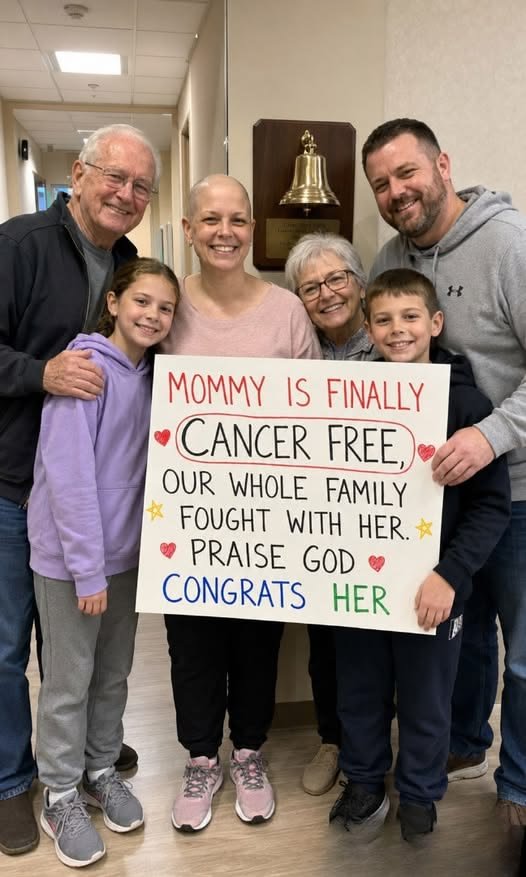
The photograph of a family celebrating a cancer-free milestone represents something important: the journey belongs to the whole family.
There are appointments that family members attend, difficult nights when everyone worries, ordinary days that suddenly feel precious, and eventually moments worth celebrating.
But every survivor’s situation is different. “Cancer-free” can mean different things depending on the cancer and the medical context, and continued follow-up remains important.
The goal after treatment isn’t simply to forget what happened.
It’s to gradually build a life beyond treatment while continuing to take care of your health.
A Final Reminder
If you or someone you love has completed colorectal cancer treatment, celebrate the milestone—but keep the follow-up appointments.
Keep your medical records. Know your treatment history. Ask questions. Report concerning changes. Look after your physical and emotional health. And don’t be afraid to accept help.
Surviving cancer is a major milestone. The next chapter deserves care, too. ❤️🎗️
Important Medical Disclaimer
This article is for general educational purposes and does not replace advice from an oncologist, gastroenterologist, surgeon, or other qualified healthcare professional. Follow-up schedules and treatment recommendations vary according to the individual’s cancer type, stage, treatments, overall health, and test results. Always discuss personal medical decisions with your healthcare team.