These Are the Consequences of Spending Too Much Time With Your Hands in Water
We use our hands in water every day—washing dishes, cleaning, bathing, swimming, or working around water. While occasional exposure is usually harmless, repeated or prolonged contact with water can affect the skin barrier, especially when combined with soaps, detergents, or cleaning chemicals.
1. Wrinkled Fingers
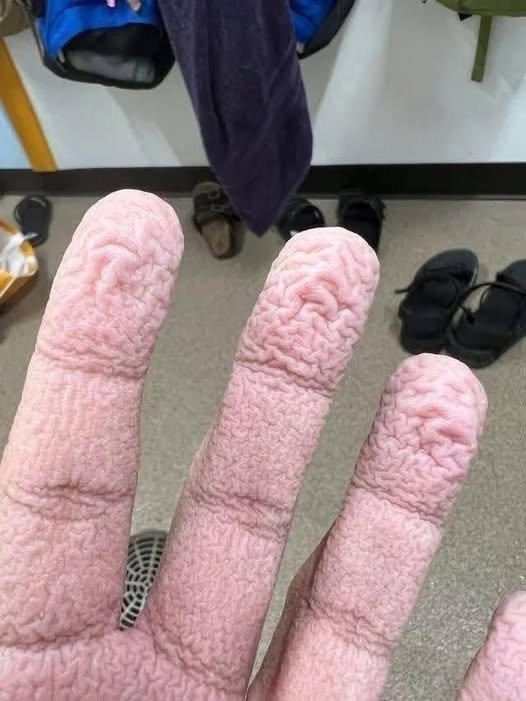
The familiar “pruney” appearance after staying in water for a while is usually temporary. It is not simply because the skin absorbs large amounts of water. Changes in the blood vessels beneath the skin contribute to the characteristic wrinkling.
Once your hands are dried and allowed to warm up, the appearance normally returns to normal.
2. Dry, Tight Skin
Frequent exposure to water—particularly hot water—can remove some of the skin’s natural oils. Repeated washing can therefore leave the hands feeling:
Dry
Tight
Rough
Flaky
Soaps and detergents can increase this effect by removing oils from the skin’s surface.
3. Irritation and Redness
People who regularly keep their hands wet may develop irritation known as irritant contact dermatitis. Symptoms can include redness, burning, itching, scaling, and cracking.
This is particularly common in occupations involving frequent hand washing or prolonged contact with water, such as healthcare, food preparation, cleaning, and hairdressing.
4. Cracked Skin
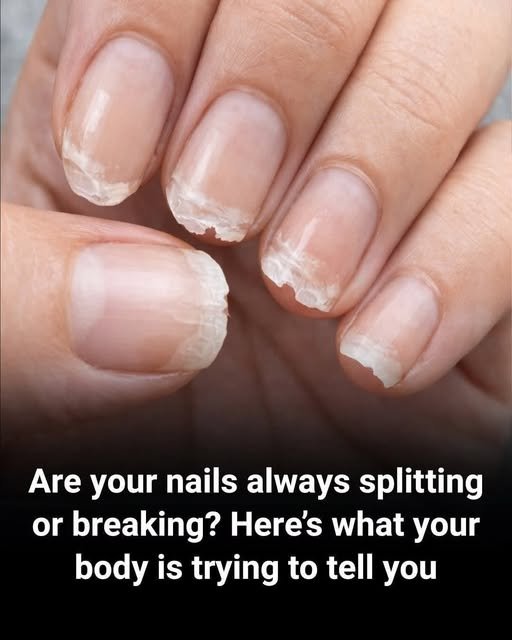
When the protective skin barrier becomes damaged, tiny cracks can develop. These can become uncomfortable, particularly around the fingertips and knuckles.
Cold weather, frequent hand washing, detergents, and very hot water can make the problem worse.
5. Increased Risk of Skin Problems
Damaged, irritated skin provides less effective protection against irritants and microorganisms. Keeping hands wet for prolonged periods can also contribute to maceration, in which the skin becomes unusually soft and pale.
The goal isn’t to avoid water altogether—it is to protect the skin barrier while doing activities that require frequent water exposure.