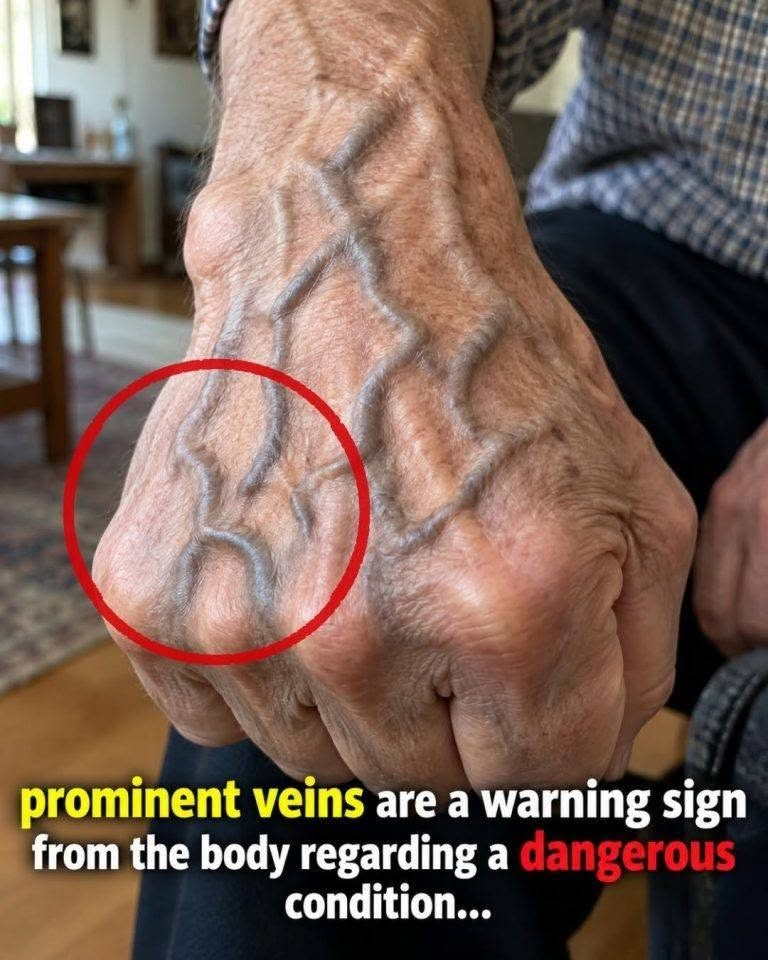
The viral framing of “10 common reactions” can obscure the fact that some side effects of amlodipine, while rare, require immediate medical attention. The FDA labeling warns that worsening angina and acute myocardial infarction can develop after starting or increasing the dose of amlodipine, particularly in patients with severe obstructive coronary artery disease . This is a rare but serious possibility that should be discussed with a doctor before starting the medication. Other rare effects include gingival hyperplasia (overgrowth of the gums), which has been reported with calcium channel blockers, including amlodipine . A case report described a pediatric patient who developed petechiae (small purple spots on the skin) due to amlodipine-induced platelet dysfunction, which resolved after the drug was stopped . These are uncommon, but they underscore the importance of reporting unusual symptoms to a healthcare provider rather than assuming they are unrelated to the medication.
The “Doctors Don’t Always Mention” Claim: A Fair Critique?
The image’s subtitle—”10 Common Reactions Doctors Don’t Always Mention”—touches on a real issue in clinical practice. Time-limited appointments and the prioritization of serious risks can mean that bothersome but non-dangerous side effects like ankle swelling or fatigue are not discussed in detail. A patient may leave the appointment without knowing that the swelling in their legs is a known drug effect rather than a sign of heart failure or kidney disease. This gap in communication is not necessarily a failure of individual doctors but a systemic challenge. The solution is for patients to be proactive: ask about common side effects when starting a new medication, report symptoms as they arise, and not assume that a new symptom is simply a consequence of aging. A simple question—”Could this be related to my amlodipine?”—can open a productive conversation about management.
Distinguishing Drug Effects from Age-Related Changes
One of the most valuable skills for anyone taking a long-term medication is the ability to distinguish a drug side effect from a normal age-related change. Swollen ankles in a 70-year-old could be due to venous insufficiency, heart failure, kidney disease, or amlodipine. Fatigue could be depression, thyroid dysfunction, anemia, or the medication. The key is timing: if a symptom appeared or worsened after starting amlodipine or increasing the dose, the drug is a plausible contributor and should be considered. If the symptom predates the medication, it is less likely to be drug-related. Keeping a simple symptom diary—noting when a symptom started, how severe it is, and whether it correlates with dose changes—can be enormously helpful in a medical consultation. It shifts the conversation from vague complaints to specific, actionable information.
Practical Steps for Managing Amlodipine Side Effects
For patients experiencing bothersome side effects, there are several evidence-based strategies. First, do not stop the medication without talking to a doctor; abrupt discontinuation can cause blood pressure to spike. Second, discuss dose reduction; the side effects of amlodipine are dose-dependent, and a lower dose may control blood pressure with fewer symptoms. Third, consider timing; taking the medication at night may reduce the impact of dizziness and fatigue during the day. Fourth, for edema, lifestyle measures such as elevating the legs, reducing sodium, and staying active can help, and in some cases, a doctor may add a diuretic or switch to a different class of antihypertensive. Finally, if side effects are intolerable despite these measures, there are many other blood pressure medications available, and a change may be appropriate.
The Bottom Line: Don’t Suffer in Silence
The most important message is that side effects from amlodipine are common, predictable, and manageable. They are not a reason to accept a diminished quality of life, nor are they a reason to abandon treatment for high blood pressure, which carries far greater risks when left uncontrolled. The viral image’s alarmist tone may be misleading, but its underlying point—that patients should be informed about what to expect—is valid. Armed with knowledge about which symptoms are likely drug-related, which are rare but serious, and which are unrelated, patients can have more productive conversations with their doctors and find a treatment plan that works for both their blood pressure and their daily comfort.
Frequently Asked Questions
What are the most common side effects of amlodipine? The most common side effects are swelling of the legs or ankles (edema), dizziness, flushing, palpitations, fatigue, and nausea. These are listed in FDA prescribing information and occur in a dose-dependent manner .
Is ankle swelling from amlodipine dangerous? Peripheral edema is usually not dangerous in itself, but it can be uncomfortable and may be a reason to adjust treatment. It is caused by fluid leaking into tissues due to vasodilation. Elevating the legs and discussing dose adjustments with a doctor can help.
Can amlodipine cause dizziness? Yes. Dizziness is a common side effect, particularly when starting the medication or increasing the dose. It occurs because blood pressure drops and the body needs time to adjust. If dizziness is persistent, especially upon standing, consult a doctor.
Does amlodipine cause fatigue? Fatigue and extreme sleepiness are listed side effects. They are often attributed to aging but may be related to the medication. If fatigue interferes with daily life, discuss it with a healthcare provider.
Can amlodipine cause palpitations? Yes. Palpitations, or a sensation of a fast or irregular heartbeat, occurred in 1.4% to 4.5% of patients in clinical trials, depending on dose . If palpitations are accompanied by chest pain or shortness of breath, seek medical attention.
Are there serious side effects of amlodipine I should watch for? Rare but serious effects include worsening angina or heart attack after starting or increasing the dose, particularly in patients with severe coronary artery disease . Gingival hyperplasia (gum overgrowth) and platelet dysfunction have also been reported rarely .
Can I stop taking amlodipine if I have side effects? Do not stop without consulting a doctor. Abrupt discontinuation can cause blood pressure to rise dangerously. A doctor can adjust the dose, change the timing, or switch to a different medication.
How can I manage ankle swelling from amlodipine? Elevate your legs when resting, reduce sodium intake, stay physically active, and talk to your doctor about dose adjustment or adding a diuretic. In some cases, switching to a different antihypertensive may be appropriate.
Why don’t doctors always mention these side effects? Time-limited appointments and a focus on serious risks can mean that bothersome but non-dangerous side effects are not discussed in detail. Patients should feel empowered to ask about common side effects and report symptoms.
Could my symptoms be due to something other than amlodipine? Yes. Many symptoms attributed to amlodipine could have other causes. The timing of symptom onset relative to starting the medication is a key clue. Keeping a symptom diary and discussing it with a doctor can help clarify.