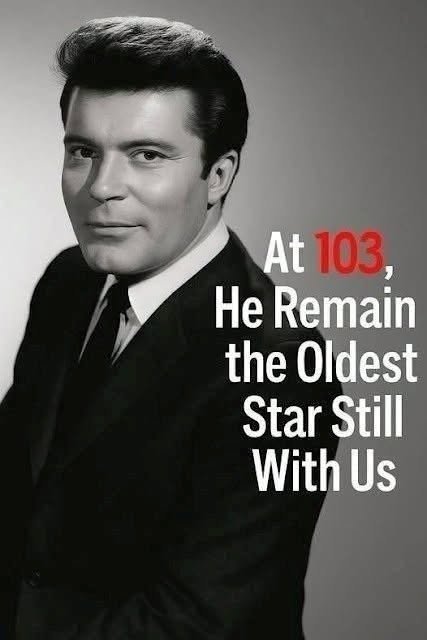
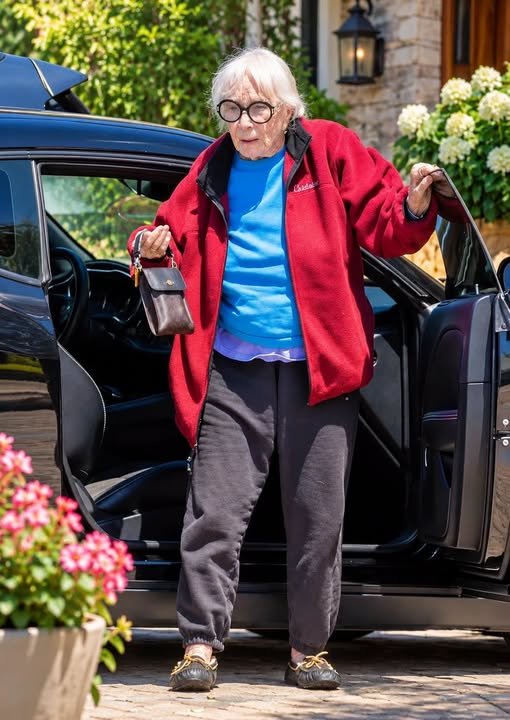
At 103, “He Remains the Oldest Star Still With Us”: The Truth Behind Viral Celebrity Longevity Claims
Celebrity Longevity Claims Can Also Become Outdated
Another problem is timing.
A person described as the “oldest living” celebrity at one point may no longer hold that distinction months or years later. Some viral posts are repeatedly reposted without updating the age or status of the person mentioned.
A good example is Louise Signore, a New York centenarian whose age was independently validated by LongeviQuest. She lived to 113 and died in January 2026. (LongeviQuest)
This illustrates why a longevity claim needs a specific date attached to it.
What Can We Actually Say?
If a celebrity is 103 years old and still living, that is itself an extraordinary milestone.
But saying someone is “the oldest star still with us” requires additional evidence:
Who qualifies as a “star”?
Does the claim include actors, musicians, television personalities, and other entertainers?
Is the person’s age independently documented?
Is there an official record supporting the title?
When was the claim last verified?
Without answers to those questions, the headline should be treated as a viral claim rather than an established record.
The Bigger Lesson
Longevity stories are naturally fascinating because they connect individual lives with more than a century of history. But the most interesting part isn’t necessarily a sensational “secret” or an unverified record.
A person who reaches 103 has already lived through enormous social and technological changes—from the early days of radio and cinema to smartphones and the internet.
That alone makes a verified centenarian story worth telling.
Bottom Line
A 103-year-old entertainer may indeed be a remarkable survivor of Hollywood’s or popular culture’s earlier generations, but “oldest star still with us” is a specific claim that requires current, independently verified evidence.
When you see such headlines online, check the person’s identity, date of birth, current status, and the source behind the alleged record before sharing it.