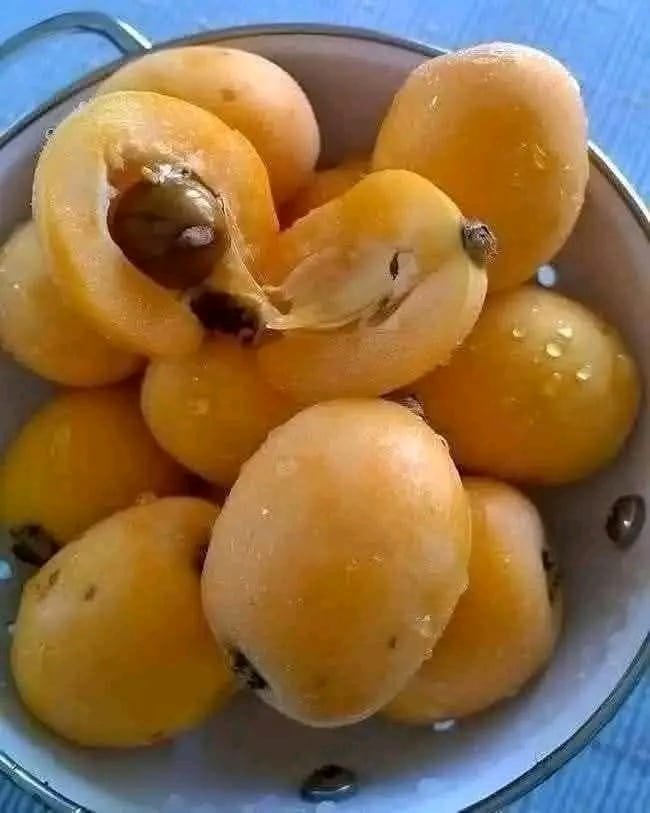
Black Mulberries (Shahtoot): A Sweet, Juicy Fruit With a Long History
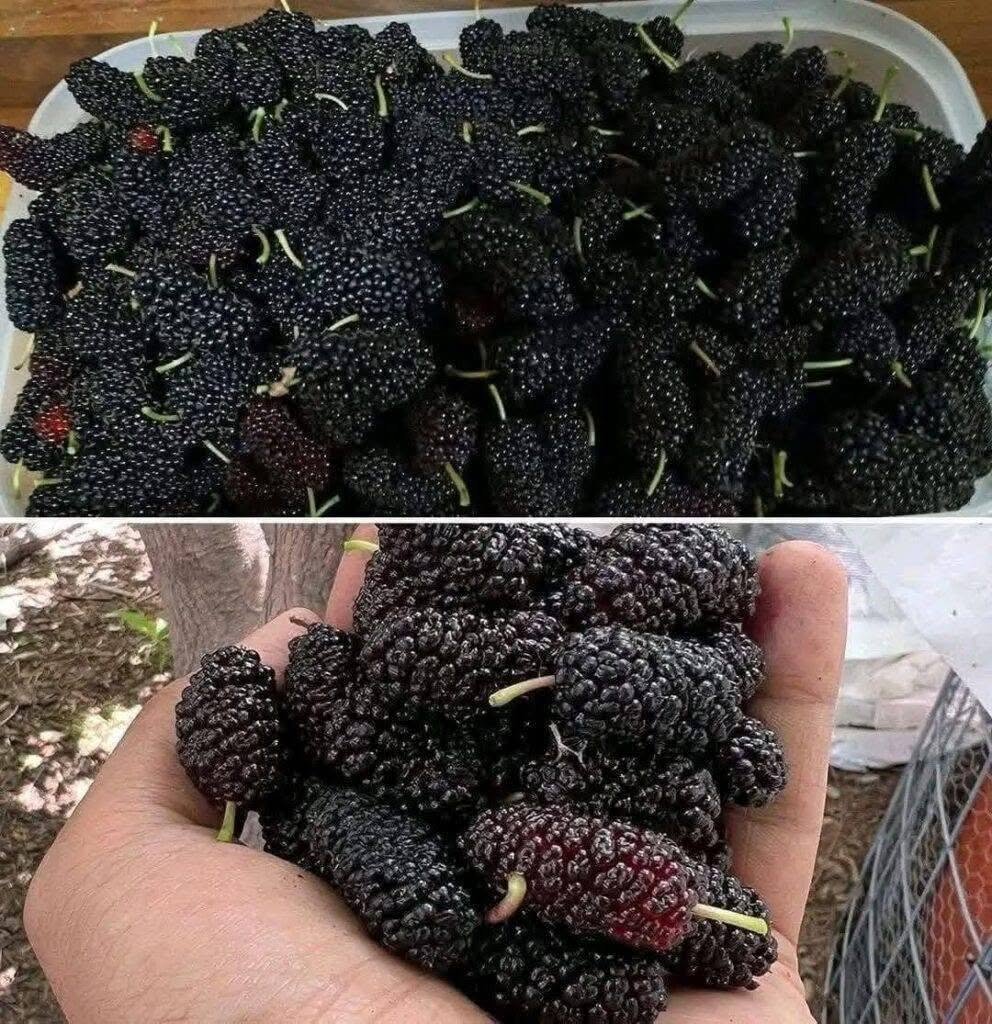
Those beautiful, almost black fruits in the picture are mulberries, commonly known as Shahtoot in many parts of South Asia and the Middle East. They are especially characteristic of black-fruited mulberry varieties, including Morus nigra, although different mulberry species can produce dark-colored fruit. Plants of the World Online
With their deep purple-black color, elongated shape, and delicate texture, ripe mulberries are one of those fruits that are often enjoyed straight from the tree.
What Are Black Mulberries?
Black mulberries are the fruit of trees belonging to the Morus genus in the mulberry family, Moraceae. The ripe fruits can range from reddish-purple to almost black and are made up of many tiny fruit segments clustered together. PubMed Central (PMC)
Morus nigra, commonly called black mulberry, is native to southwestern Asia and has been cultivated in parts of Europe and the Mediterranean for centuries. PubMed Central (PMC)
When fully ripe, black mulberries are soft and juicy, with a sweet flavor balanced by a pleasant tartness.
What Do Mulberries Taste Like?
Fresh ripe mulberries have a distinctive flavor that falls somewhere between berries and grapes.
Depending on the variety and ripeness, they can be:
Sweet and juicy
Mildly tart
Rich and fruity
Soft and delicate
Slightly wine-like when very ripe
The darker the fruit becomes, the more intensely colored and generally more mature it is.
Why Are They So Dark?
The deep purple-black color comes largely from anthocyanins, natural pigments belonging to the flavonoid family. Black mulberries are particularly rich in these compounds compared with some other mulberry varieties. PubMed Central (PMC)
Anthocyanins are also responsible for the beautiful colors found in foods such as blueberries, blackberries, and purple grapes.
Nutritional Value
Mulberries provide carbohydrates, fiber, vitamins, minerals, and various naturally occurring plant compounds. Reviews of mulberry fruit describe compounds including phenolics, flavonoids, and anthocyanins, although the exact nutritional composition varies considerably by species, cultivar, growing conditions, and ripeness. PubMed Central (PMC)