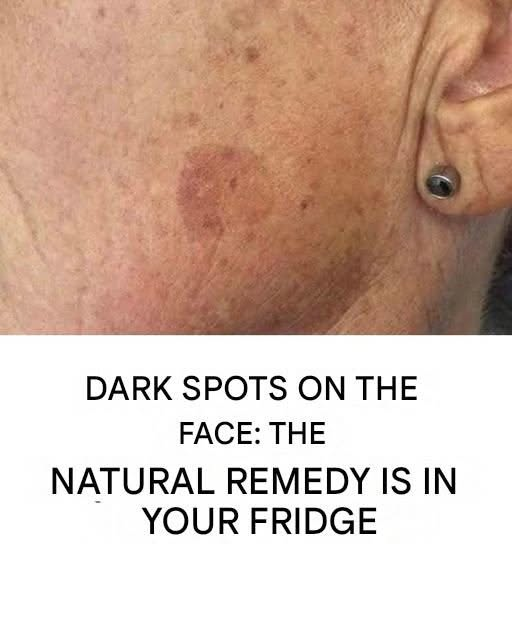
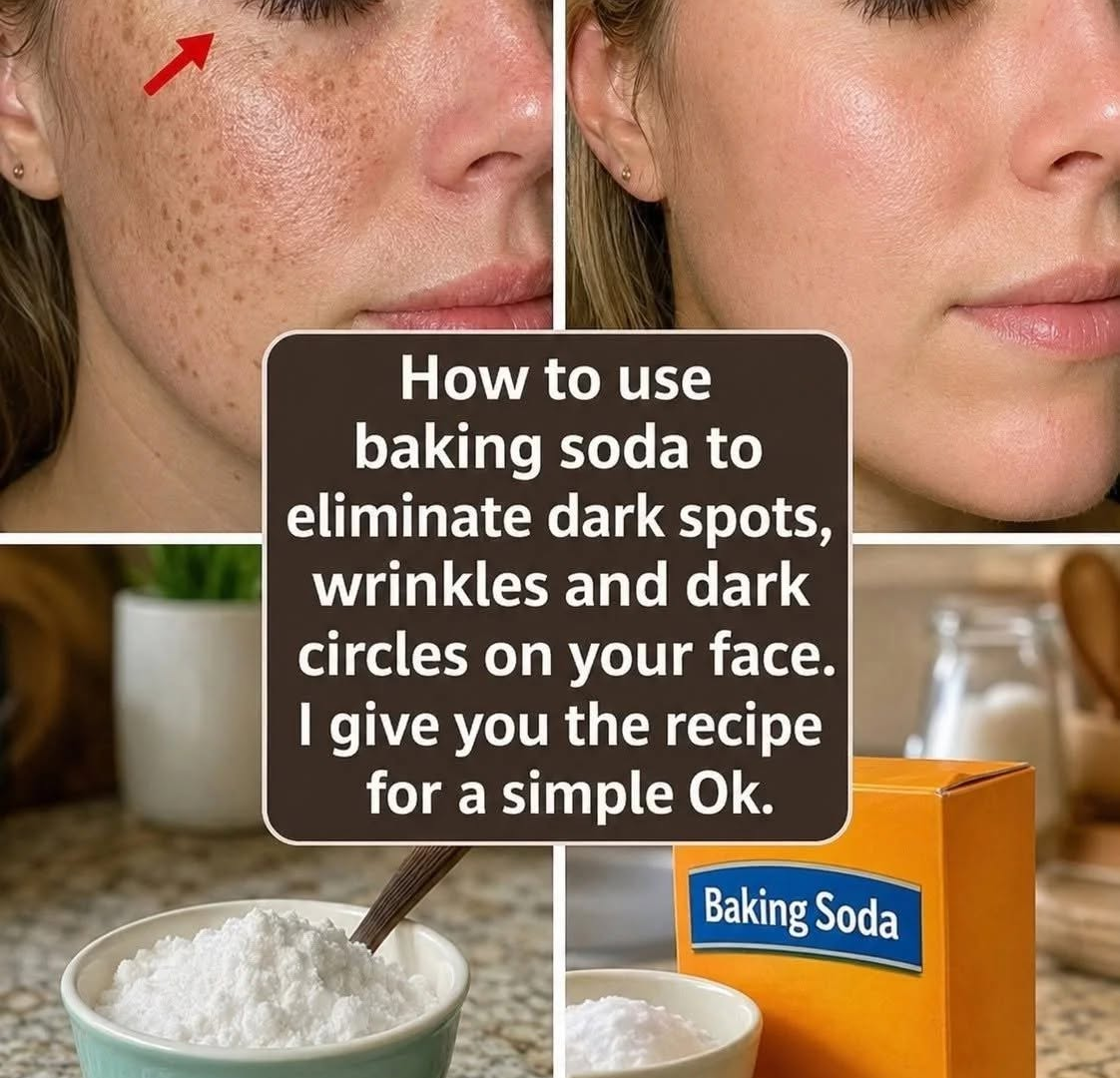
The image of a cheek marked by a large, irregular brown patch, paired with the promise that “the natural remedy is in your fridge,” is a familiar sight on social media. The accompanying suggestion—to add a kitchen ingredient to your cream and watch blemishes become “a distant memory”—taps into a powerful desire for simple, affordable solutions to a common and frustrating skin concern. Dark spots, medically known as hyperpigmentation, affect millions of people and can have a profound impact on self-esteem. The appeal of a remedy that costs almost nothing and requires no prescription is understandable. However, the gap between viral claims and dermatological reality is vast. While certain fridge staples like lemon juice, aloe vera, and yogurt have some documented skin benefits, they are not miracle cures, and used improperly, they can make hyperpigmentation significantly worse. This article will examine the science of dark spots, evaluate the evidence behind popular kitchen remedies, explain why professional treatments remain the gold standard, and outline a safe, effective approach to fading hyperpigmentation.
Understanding Dark Spots: The Science of Hyperpigmentation