Physical activity has benefits that go beyond the number on a scale.
For generally healthy adults, U.S. guidelines recommend at least 150 minutes of moderate-intensity aerobic activity per week, along with muscle-strengthening activities on at least two days per week. (Institut national du diabète et des maladies digestives et rénales)
That could include activities such as:
Brisk walking
Cycling
Swimming
Dancing
Jogging
Resistance exercises
Bodyweight exercises
Someone who has been inactive doesn’t need to jump immediately into intense workouts. Starting with short periods of activity and gradually increasing them can be more practical.
Why Strength Training Is Important
Weight loss isn’t only about reducing body fat.
When people lose weight, they can also lose lean tissue. Resistance training can help maintain and strengthen muscles while someone works toward a healthier body composition.
Simple exercises such as squats, resistance-band exercises, push-ups, or weight training can be incorporated according to a person’s ability.
How Fast Should Weight Loss Happen?
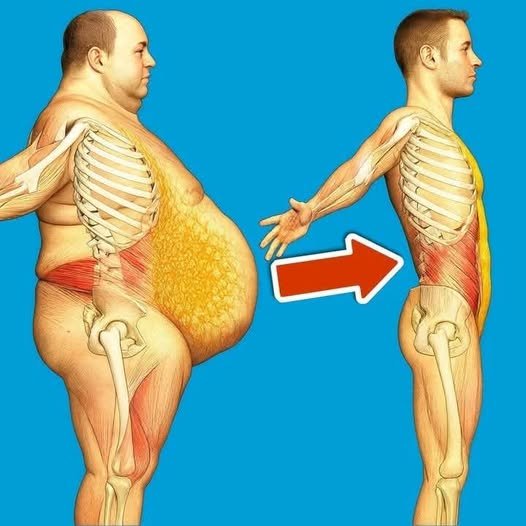
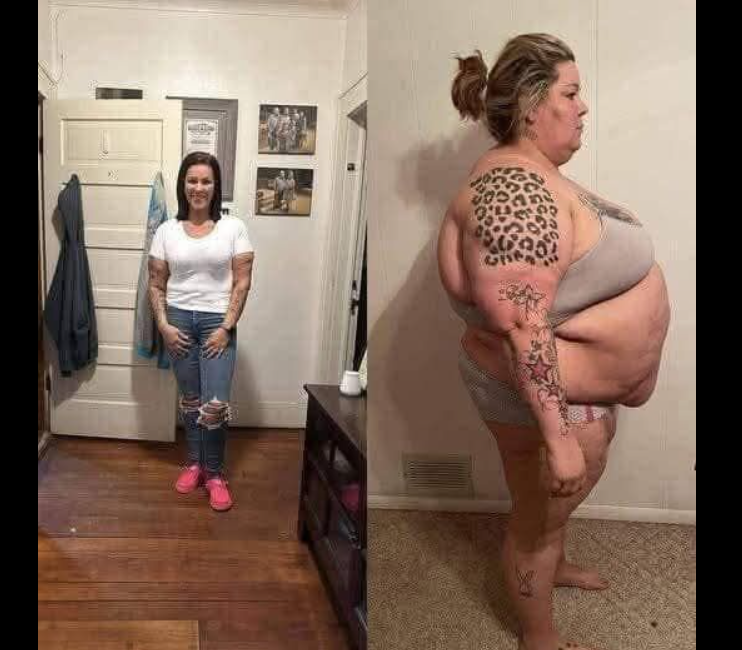
The dramatic transformation shown in the image can create unrealistic expectations.
The CDC says people who lose weight at a gradual, steady pace—about 1 to 2 pounds (0.45–0.9 kg) per week—are more likely to keep it off than people who lose weight faster. (Santé Publique France)
That means meaningful changes may take months rather than a few days or weeks.
A slower transformation may not look as impressive on social media, but it can be much more realistic.
You Don’t Need to Eliminate Every Favorite Food
Another common misconception is that successful weight loss requires completely giving up foods you enjoy.
That’s why two people can follow similar routines and experience different results.
What About “Spot Reduction”?
This is one of the most common misunderstandings about body transformation.
Doing hundreds of abdominal exercises can strengthen the abdominal muscles, but it doesn’t mean the body will specifically burn the fat covering those muscles.
Overall fat loss is influenced by the body’s energy balance and individual biology.
So the goal shouldn’t be “How can I burn belly fat specifically?”
A more useful question is:
“What healthy habits can I consistently maintain to improve my overall body composition and health?”
When Professional Guidance Makes Sense
For people with overweight or obesity, especially those with conditions such as diabetes, high blood pressure, or other health concerns, a healthcare professional can help create a safe and appropriate weight-management plan.
The transformation in this illustration is visually dramatic, but real bodies don’t necessarily change in exactly the same way—or at the same speed.
Healthy weight loss is usually a gradual process involving nutrition, physical activity, sleep, consistency, and realistic expectations.
The goal isn’t simply to reproduce the body on the right side of a picture. It’s to build habits that can be maintained long enough to improve health, strength, fitness, and overall well-being.
There is no single food, exercise, or shortcut that guarantees a transformation. The most sustainable results come from changes you can actually live with long term.