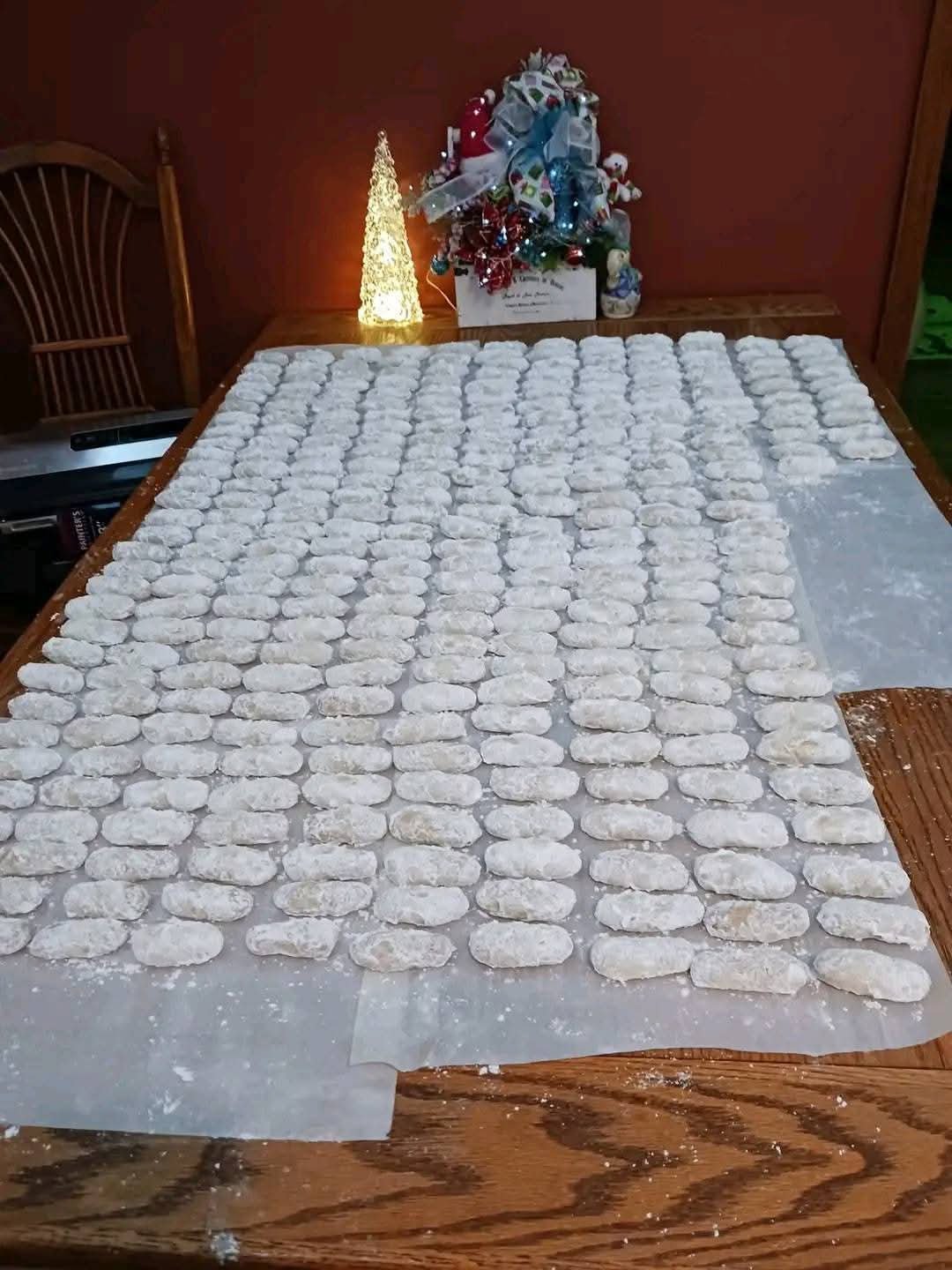
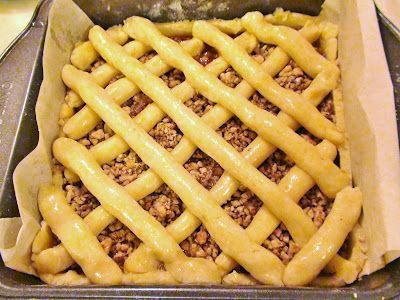
Hungarian Cold Dough Nut Cookies (Old-Fashioned Recipe) 🇭🇺
How to Make Hungarian Cold Dough Nut Cookies
1. Prepare the Dough
In a large bowl, combine the softened butter and cream cheese until smooth.
Add the flour, sugar, salt, and vanilla. Mix until a soft dough forms.
Do not overwork the dough. Once the ingredients come together, shape it into a ball.
2. Chill the Dough
Wrap the dough tightly in plastic wrap and refrigerate it for at least 2 hours, preferably overnight.
This chilling step is one of the most important parts of the recipe. Cold dough is easier to roll and helps produce the delicate texture associated with these cookies.
3. Make the Walnut Filling
Combine the ground walnuts, sugar, vanilla, egg white, and lemon juice.
Mix until you have a thick, spreadable filling.
If the mixture seems too dry, add a small amount of milk.
The filling should be thick enough to stay in place rather than spreading across the dough.
4. Roll the Cold Dough
Remove only part of the dough from the refrigerator at a time.
Roll it out on a lightly floured surface until it is thin, approximately ⅛ inch thick.
Cut the dough into small squares or triangles.
Keeping the unused dough chilled prevents it from becoming too soft.
5. Add the Walnut Filling
Place a small spoonful of walnut filling in the center of each piece of dough.
Avoid adding too much filling. A generous-looking amount can make the cookies difficult to seal and may cause the filling to escape during baking.
6. Shape the Cookies
For a classic foldover shape, fold two opposite corners toward each other over the filling.
Press gently to seal.
Alternatively, roll the filled dough into a small crescent shape, which is another traditional style associated with Hungarian kifli. (Astray)
7. Brush With Egg Yolk
Arrange the cookies on a parchment-lined baking sheet.
Lightly brush the tops with beaten egg yolk. This gives the cookies a beautiful golden finish as they bake.
8. Bake
Preheat the oven to 350°F (175°C).
Bake for approximately 15–20 minutes, or until the cookies are set and lightly golden around the edges.
Be careful not to overbake them. These cookies are meant to remain tender rather than becoming dark and crisp.
9. Finish With Powdered Sugar
Allow the cookies to cool slightly, then transfer them to a wire rack.
Once cool, generously dust them with powdered sugar.
The snowy coating provides the perfect contrast to the golden pastry and walnut filling.
Why Keeping the Dough Cold Matters
The name “cold dough” isn’t just a charming description—it points to an important part of the technique.
When the rich dough becomes too warm, it can become sticky and difficult to roll. The cookies may also lose some of their delicate texture.
Working with small portions while keeping the remaining dough refrigerated makes the process much easier.
Traditional kiffle recipes specifically recommend refrigerating the dough before rolling and shaping. (christmas-cookies.com)
The Walnut Filling
Walnuts are particularly well suited to these cookies because their rich, slightly earthy flavor balances the sweetness of the dough and powdered sugar.
For the best texture, grind the walnuts finely but avoid processing them into a paste.
A little lemon juice or zest can also brighten the filling and keep the sweetness from becoming overwhelming.
Tips for Perfect Cold Dough Cookies
Keep the Dough Chilled
If the dough becomes soft or sticky while you’re working, return it to the refrigerator for 10–15 minutes.
Don’t Overfill
A small amount of filling is enough. Too much can cause the cookies to split during baking.
Roll Thinly
Thin dough produces the delicate pastry texture associated with these cookies.
Seal the Edges
Press the folded edges firmly enough to prevent the filling from escaping.
Don’t Overbake
The cookies should be lightly golden rather than deeply browned.
Traditional Variations
Hungarian-style kiffles and related filled cookies have many variations.
Instead of walnut filling, you may find versions made with:
Poppy seed filling
Apricot preserves
Plum lekvár
Raisins and walnuts
Other thick fruit fillings
Some recipes use sour cream dough, while others use cream cheese-based dough. The exact recipe often reflects a family’s own tradition. (BakedLean)
How to Store Them
Allow the cookies to cool completely before storing.
Place them in an airtight container and keep them at room temperature for several days.
They can also be frozen, either baked or shaped before baking, depending on the recipe and preparation method. (thecookiescoop.blogspot.com)
For the best texture, separate layers with parchment paper.
Frequently Asked Questions
Why are they called cold dough cookies?
The dough is chilled before rolling and shaping. Keeping it cold is an important part of achieving the right texture and making the rich dough easier to handle.
Can I use pecans instead of walnuts?
Yes. Pecans can be substituted, although walnuts are the more traditional choice for this style of Hungarian cookie.
Can I make the dough the day before?
Absolutely. In fact, chilling the dough overnight can make it particularly convenient to work with.
Why are my cookies opening during baking?
The dough may be too warm, the filling may be too wet, or the cookies may be overfilled. Keep the dough cold and use only a small amount of thick filling.
Can I use jam instead of walnut filling?
Yes. Thick apricot or plum preserves are common alternatives. Avoid very runny jam because it can leak during baking. (BakedLean)
A Cookie With Old-Fashioned Charm
What makes these Hungarian cold dough cookies special is their simplicity. There is no elaborate decoration or complicated equipment—just a rich chilled dough, fragrant walnuts, careful shaping, and a light dusting of powdered sugar.
They are especially fitting for Christmas, Easter, weddings, family celebrations, and holiday cookie trays, where delicate filled pastries are traditionally enjoyed.
Final Thoughts
Hungarian Cold Dough Nut Cookies are a beautiful example of old-fashioned European baking. The buttery, tender dough surrounds a sweet walnut filling, while powdered sugar gives each cookie its classic finish.
The recipe rewards patience: keep the dough cold, roll it thin, don’t overfill it, and bake just until lightly golden.
The result is a delicate Hungarian-inspired cookie with a rich nutty center—simple enough to make at home and special enough to become a family tradition. 🇭🇺