Trim the pork liver and pork shoulder, removing any tough connective tissue.
Cut both into manageable pieces.
Place the pork in a large pot of lightly salted water and simmer until completely cooked and tender.
Cook the liver separately or add it toward the end of the cooking process because liver cooks more quickly than tougher cuts of pork.
Keep some of the cooking liquid. It can be used later to adjust the consistency of the sausage mixture.
Allow the cooked meat and liver to cool enough to handle safely.
2. Cook the Onion
Finely chop the onion.
Heat a little pork fat or lard in a skillet and cook the onion slowly until soft and lightly golden.
Add the minced garlic and cook for another minute.
Remove from the heat.
The onion adds sweetness and moisture to the sausage while complementing the rich flavor of the liver.
3. Grind the Meat
Pass the cooked pork and liver through a meat grinder.
A medium or coarse grind works particularly well for traditional-style hurka.
Transfer the ground mixture to a large bowl.
Add the cooked rice and sautéed onion.
4. Season the Mixture
Add the paprika, black pepper, marjoram, salt, and optional allspice.
Mix everything thoroughly.
Gradually add some of the reserved pork broth until the mixture becomes moist and soft enough to fill the casings easily.
The mixture should be moist but not watery.
Taste a small amount by cooking it in a skillet before filling the sausages. Adjust the salt and seasonings if necessary.
5. Prepare the Casings
Rinse the natural hog casings thoroughly.
Soak them according to the instructions supplied with the casings, then rinse the inside with clean water.
Fit the casing onto a sausage stuffer.
Leave several inches of casing free at the end so you can tie the sausage afterward.
6. Fill the Hurka
Carefully fill the casing with the liver and rice mixture.
Don’t pack it too tightly.
The sausage needs a little room because the filling can expand during cooking.
Twist the casing into individual links of your preferred size.
Tie the ends securely.
If you see large air pockets, gently prick them with a clean sausage needle.
7. Poach the Sausages
This step is important because traditional hurka is generally cooked gently before being browned.
Heat a large pot of water until it reaches a gentle simmer rather than a vigorous boil.
Carefully place the sausages into the water.
Poach them gently until the sausage is thoroughly heated and reaches a safe internal temperature.
Avoid vigorous boiling because it can cause the casings to burst and release the filling.
Remove the sausages carefully and allow them to drain.
8. Brown the Hurka
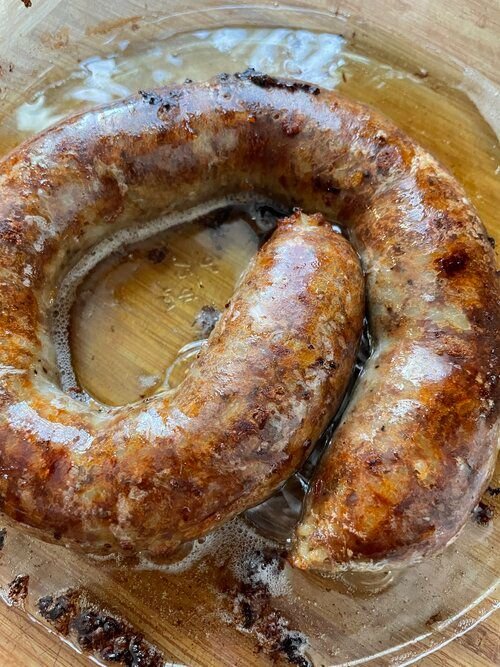
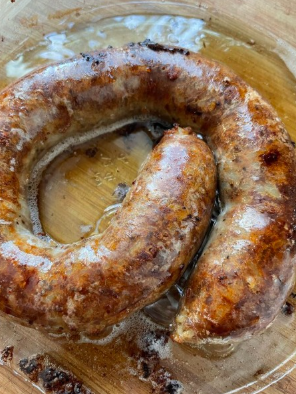
For the best flavor, finish the sausages in a skillet or oven.
Skillet Method
Heat a little lard or oil in a large skillet.
Add the cooked hurka and brown gently on all sides.
Oven Method
Place the sausages in a lightly greased baking dish.
Bake at approximately 375°F (190°C) until heated through and beautifully browned.
Turn them carefully halfway through cooking.
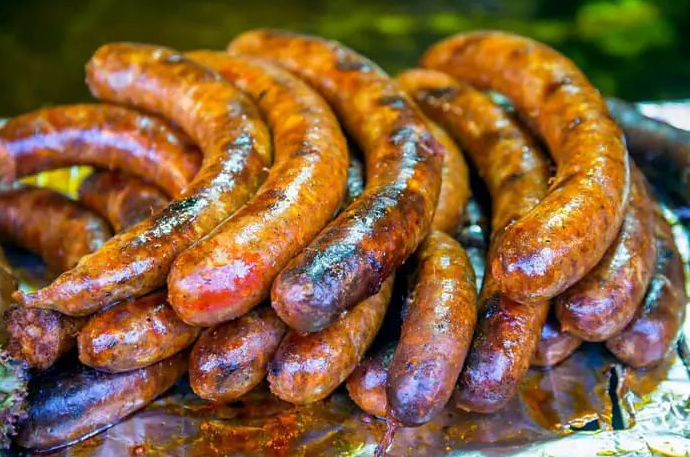
The finished hurka should have a lightly crisp, golden exterior while remaining soft and flavorful inside.
What Does Hungarian Hurka Taste Like?
Májas hurka has a distinctive savory flavor.
The liver provides a rich, earthy character, while pork adds fat and depth. Rice softens the texture, and Hungarian paprika contributes gentle sweetness and color.
Marjoram is particularly important in many traditional versions because its herbal aroma works beautifully with pork and liver.
Hungarian hurka is usually served as part of a hearty meal.
Traditional accompaniments include:
Fresh crusty bread
Hungarian pickles
Sauerkraut
Mustard
Pickled peppers
Roasted potatoes
Caramelized onions
Fresh cabbage salad
A generous spoonful of mustard and a few crunchy pickles provide acidity that balances the richness of the sausage.
Tips for Making Great Hurka
Don’t overcook the liver
Overcooked liver can become dry and grainy. Cook it until just tender.
Keep the mixture moist
Rice absorbs liquid, so the sausage mixture should be pleasantly moist before filling.
Don’t overstuff the casings
Loose filling reduces the risk of the sausage bursting during poaching.
Use gentle heat
A strong boil can damage the casings.
Brown before serving
Poaching cooks the sausage, but browning gives it the delicious golden exterior associated with a finished hurka.
Season before filling
Cooking a small spoonful of the mixture before stuffing lets you adjust the seasoning without having to guess.
The Tradition Behind Hungarian Hurka
Hurka is strongly connected with Hungarian disznótor, the traditional communal pig-slaughtering and sausage-making occasion that historically took place during the colder months.
Families and communities would work together to process different parts of the pig, producing sausages, cured meats, lard, and other foods.
Nothing was meant to go to waste.
Liver, rice, onions, spices, and other ingredients could be transformed into májas hurka, while blood was traditionally used in véres hurka.
Because of this history, hurka is more than just a sausage. For many Hungarian families, it represents winter gatherings, traditional food preparation, and generations of home cooking.
Májas Hurka vs. Véres Hurka
Májas Hurka
Made primarily with pork liver, pork, rice, onions, and spices.
It has a rich liver flavor and a relatively soft filling.
Véres Hurka
Traditionally made with pork blood, rice, onions, and seasonings.
It has a darker color and a different, more pronounced flavor.
Both are part of Hungary’s traditional sausage-making heritage.
Frequently Asked Questions
Can I make hurka without natural casings?
Yes. You can prepare the seasoned liver-and-pork mixture and bake it in a loaf pan, although it won’t have the traditional sausage shape.
Can I use brown rice?
You can, but white rice is more traditional and gives the filling the softer texture associated with classic hurka.
Can I freeze hurka?
Yes. Once properly cooked and cooled, hurka can be wrapped tightly and frozen. Thaw it safely in the refrigerator before reheating.
Why did my casing burst?
The casing may have been overfilled, the water may have been boiling too vigorously, or trapped steam may have increased pressure inside the sausage.
How should hurka be reheated?
Gently brown it in a skillet or bake it in the oven until thoroughly heated. Avoid very high heat, which can dry the filling or split the casing.
Food Safety
Because hurka contains pork and liver, careful handling and thorough cooking are essential.
Keep raw ingredients refrigerated, prevent cross-contamination, and use a food thermometer to verify that the sausage reaches a safe internal temperature according to current food-safety guidance.
Don’t rely solely on the sausage’s color to determine whether it is safely cooked.
Once cooked, refrigerate leftovers promptly and reheat them thoroughly before serving.
Final Thoughts
Hungarian Hurka (Májas Hurka) is a traditional sausage with a remarkable connection to Hungarian food culture.
The combination of pork liver, tender rice, sweet onion, paprika, garlic, and marjoram creates a filling that is rich without being overly complicated.
Serve it hot with mustard, fresh bread, pickles, or sauerkraut, and you have a hearty meal that brings the flavors of traditional Hungarian countryside cooking straight to the table.
A true Hungarian classic—rustic, comforting, and full of tradition. 🇭🇺❤️