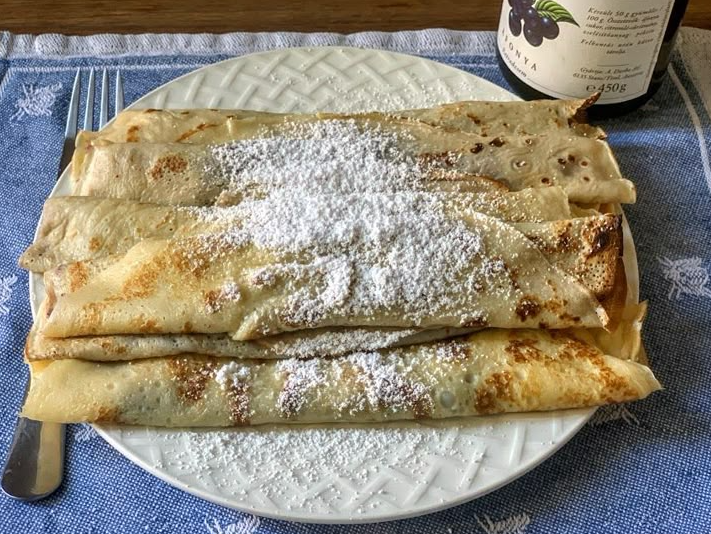
Hungarian Pancakes 🇭🇺 — The Classic Palacsinta Recipe
How to Make Hungarian Pancakes
1. Prepare the Batter
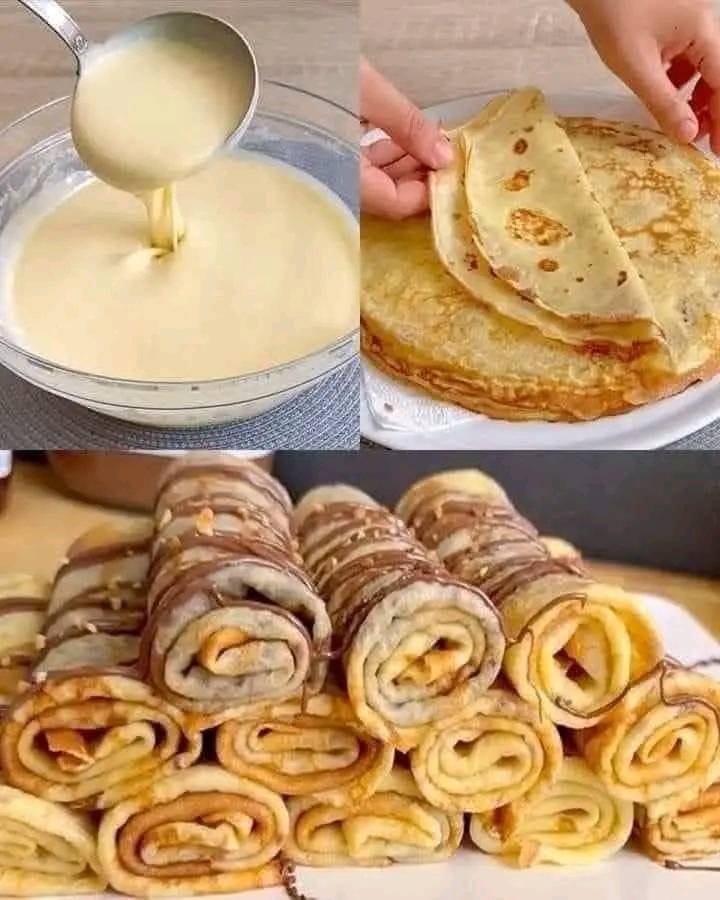
In a large bowl, whisk together the eggs, milk, sparkling water, sugar, vanilla, and salt.
Gradually add the flour while whisking continuously to create a smooth, thin batter.
Finally, whisk in the melted butter or oil.
The batter should be noticeably thinner than American pancake batter—similar to a light crêpe batter.
2. Let the Batter Rest
Allow the batter to rest for about 15–30 minutes.
This gives the flour time to hydrate and can help produce smoother, more tender pancakes.
If the batter becomes slightly thicker while resting, add a small splash of water or milk.
3. Heat the Pan
Place a nonstick or well-seasoned skillet over medium heat.
Lightly grease it with butter or oil.
You don’t need a large amount of fat—the pancakes should cook in a very thin layer.
4. Cook the Pancakes
Pour a small ladleful of batter into the hot pan.
Immediately tilt and rotate the pan so the batter spreads into a thin, even circle.
Cook for approximately 30–60 seconds, or until the edges begin to look dry and the underside is lightly golden.
Flip the pancake and cook the other side for another 15–30 seconds.
Transfer it to a plate and continue with the remaining batter.
5. Fill and Roll
Spread a thin layer of your chosen filling across the pancake.
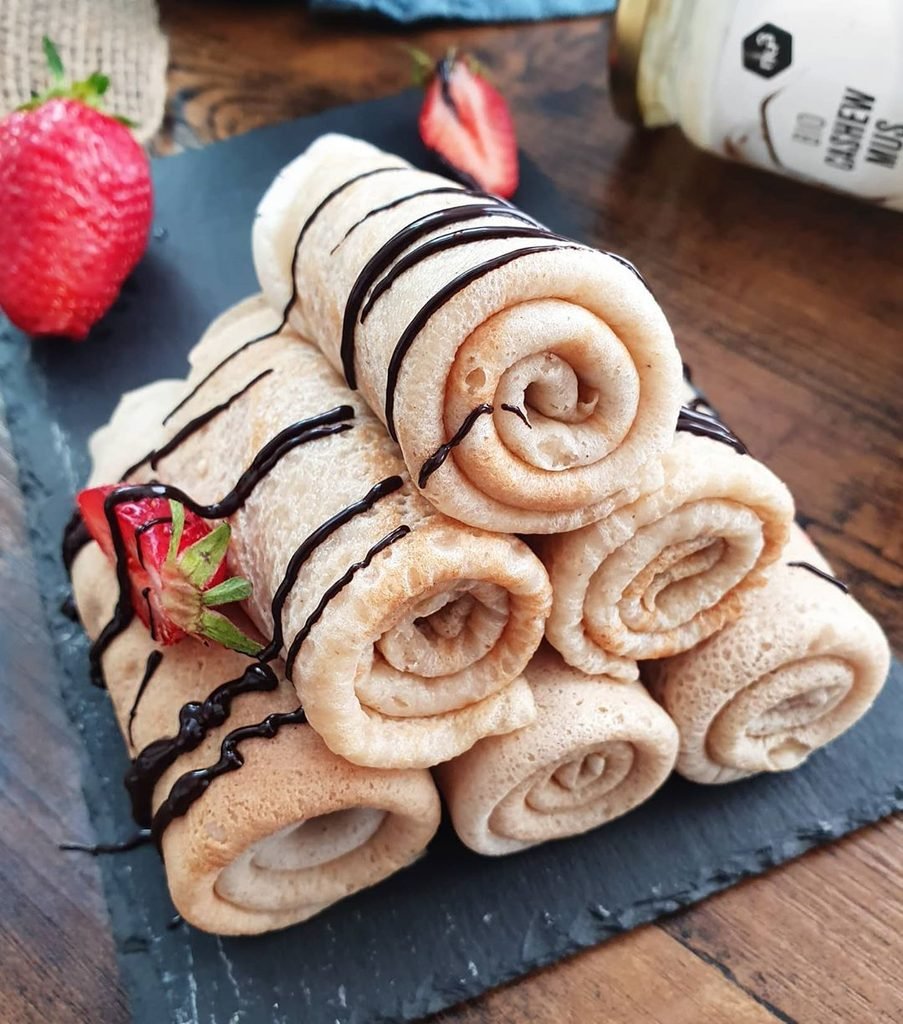
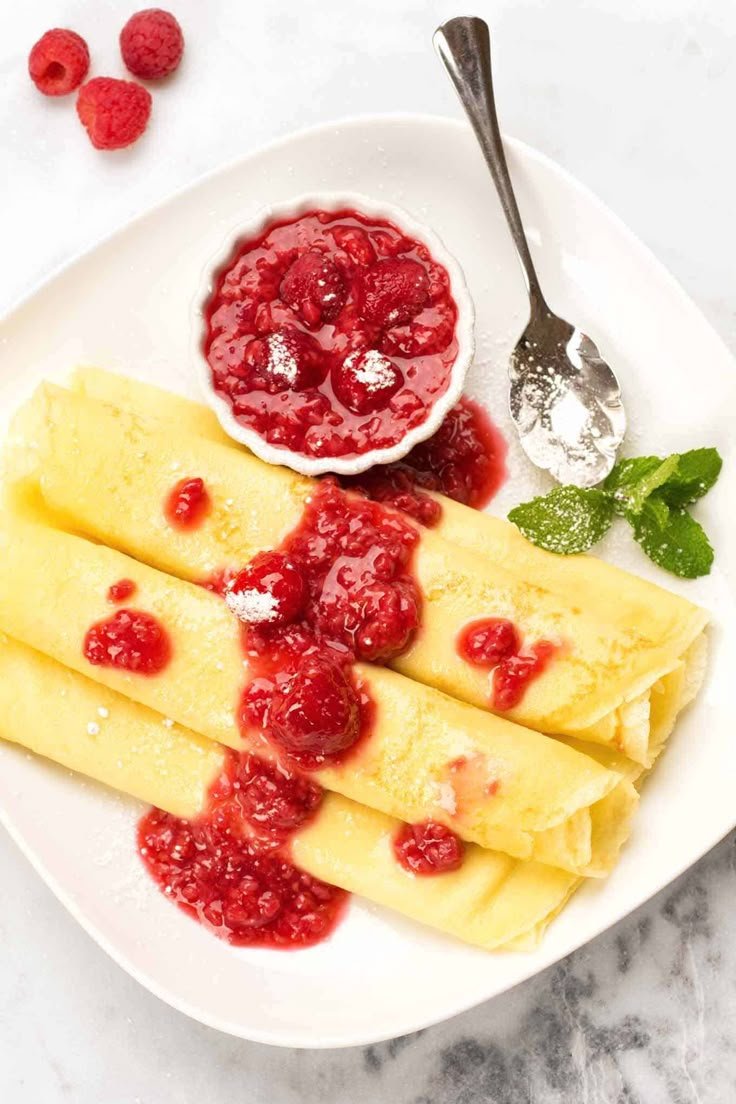
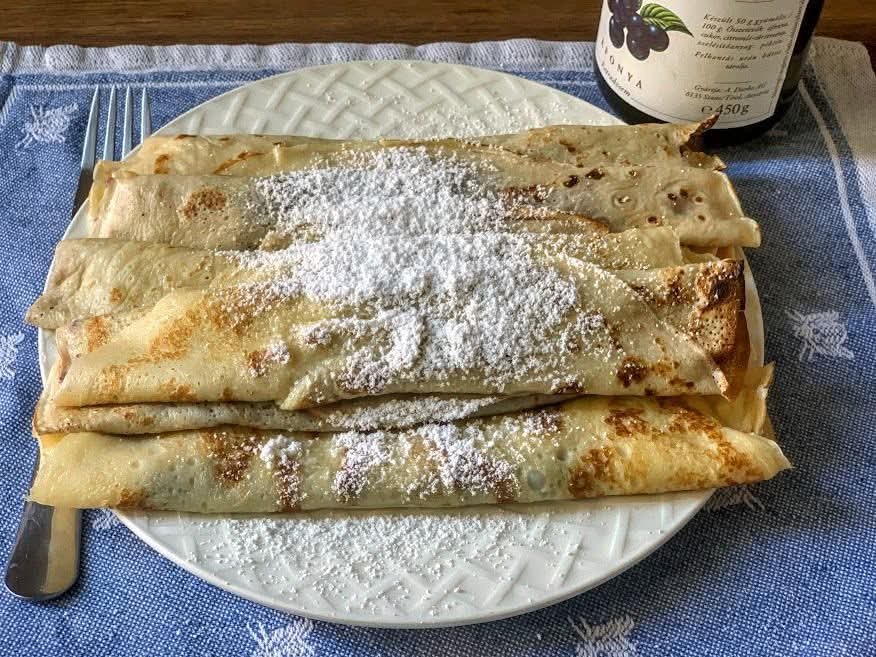
Fold it into quarters or roll it into a cylinder.
For a simple Hungarian-style dessert, dust the finished pancakes with powdered sugar.
The Classic Apricot Jam Version
One of the easiest and most traditional ways to enjoy palacsinta is with apricot jam.
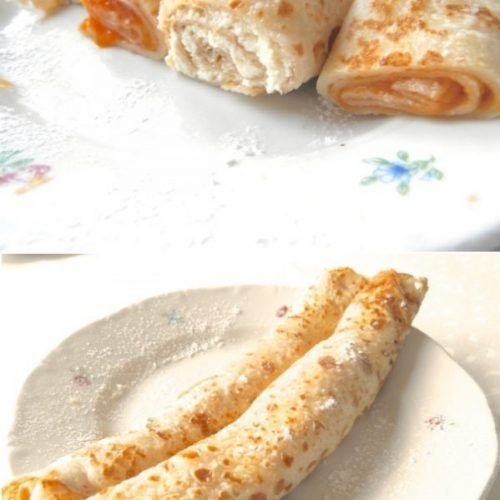
Simply spread warm or room-temperature apricot jam over the pancake, roll it tightly, and sprinkle lightly with powdered sugar.
The combination of the delicate pancake and sweet-tart apricot filling is wonderfully simple.
Tips for Perfect Palacsinta
Keep the batter thin. The thinner batter is what gives Hungarian pancakes their delicate texture.
Don’t make the pan too hot. Excessive heat can brown the outside before the pancake cooks evenly.
Use only a little oil or butter. Too much fat can make the pancakes greasy.
Adjust the batter if necessary. If your pancakes are too thick, add a little water or milk.
Stack them as you cook. Keeping the finished pancakes stacked helps them remain soft and flexible for rolling.
Sweet or Savory?
Although sweet palacsinta are especially popular, Hungarian pancakes can also be served with savory fillings.
You can fill them with ingredients such as:
Seasoned cottage cheese
Spinach
Mushrooms
Meat
Cheese
Sour cream
This makes palacsinta an incredibly versatile dish that can move from breakfast to lunch or dinner.
Frequently Asked Questions
Can I make palacsinta ahead of time?
Yes. Cooked pancakes can be stacked, covered, and refrigerated. Gently warm them before filling and serving.
Why are my pancakes tearing?
The batter may be too thin, the pancakes may be undercooked, or the pan may not be properly heated. Allowing the batter to rest can also help improve its consistency.
Can I use regular water instead of sparkling water?
Absolutely. Sparkling water is traditionally used in many recipes and can contribute to a light texture, but ordinary water works too.
What is the most famous Hungarian pancake?
Gundel palacsinta is among the best-known Hungarian pancake preparations. It is traditionally associated with a walnut filling and chocolate sauce.
Final Thoughts
Hungarian Palacsinta is proof that a great dessert doesn’t need a long ingredient list.
With a simple batter, a hot skillet, and your favorite filling, you can create thin, tender pancakes that are perfect for everything from apricot jam and walnuts to chocolate and cinnamon sugar.
🇭🇺 A classic Hungarian recipe that’s simple enough for an ordinary afternoon—and special enough to share with family and friends.