Cut them into large pieces and place them in a pot of salted water.
Boil until completely tender.
Drain very well.
For the best texture, allow the potatoes to steam for a few minutes after draining so excess moisture evaporates.
Mash them until completely smooth.
Don’t add milk or cream.
Allow the potatoes to cool until they’re warm rather than hot.
Step 2: Make the Potato Dough
Place the mashed potatoes on a large work surface or in a mixing bowl.
Add the egg and salt.
Gradually incorporate the flour.
Start with the smaller amount and add more only when necessary.
Knead gently until you have a soft dough that holds together and can be shaped without sticking excessively to your hands.
The dough should remain relatively tender.
Important Tip
Try not to add too much flour.
A very flour-heavy dough produces dense, chewy nudli instead of soft potato dumplings.
Step 3: Divide the Dough
Lightly flour your work surface.
Divide the dough into several portions.
Take one portion and roll it gently into a long rope approximately ½ inch (1–1.5 cm) thick.
Repeat with the remaining dough.
Step 4: Cut the Nudli
Using a sharp knife, cut the dough ropes into pieces approximately 1–1½ inches (2.5–4 cm) long.
The pieces don’t need to be perfectly identical.
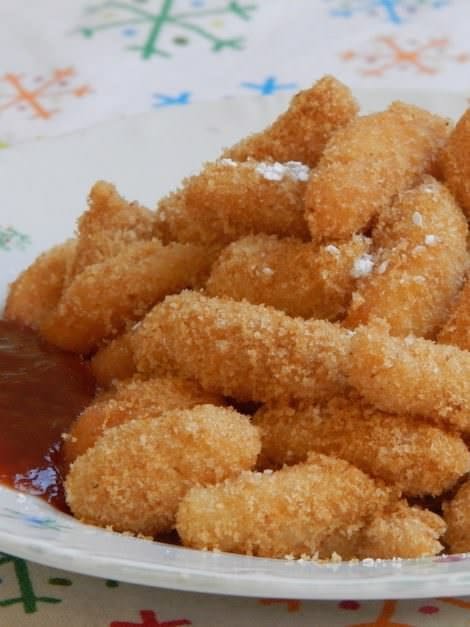
For the traditional handmade appearance, lightly roll each piece between your palms or fingers to create slightly tapered ends.
This produces the characteristic little rolled shape.
Step 5: Bring Water to a Boil
Fill a large pot with water.
Add a generous pinch of salt.
Bring the water to a gentle boil.
Avoid a violently rolling boil because delicate potato dumplings can break apart.
Step 6: Cook the Dumplings
Carefully drop the nudli into the boiling water in batches.
Don’t overcrowd the pot.
At first, the dumplings will sink.
As they cook, they’ll rise to the surface.
Once they float, allow them to cook for approximately 2–3 additional minutes.
Remove them with a slotted spoon and allow them to drain.
Step 7: Make the Toasted Breadcrumbs
While the dumplings are cooking, melt the butter in a large skillet over medium heat.
Add the breadcrumbs.
Stir frequently until they become golden brown and fragrant.
Don’t walk away from the pan—the breadcrumbs can burn quickly.
Once toasted, remove the skillet from the heat.
For a sweet version, stir in the sugar and a little cinnamon.
Step 8: Coat the Nudli
Add the cooked, drained dumplings to the skillet.
Gently toss them through the buttery breadcrumbs until every piece is coated.
Be careful not to crush them.
The finished nudli should have a soft interior surrounded by a delicate coating of golden crumbs.
Traditional Sweet Nudli
One of the most delicious ways to serve Hungarian nudli is as a sweet dish.
Toss the cooked dumplings with:
Buttered breadcrumbs
Cinnamon sugar
Powdered sugar
Then serve with apricot jam or plum preserves.
The combination of soft potato dumplings, crunchy buttery crumbs, and sweet-tart fruit preserves is incredibly comforting.
Nudli With Poppy Seeds
For another traditional-style variation, replace the breadcrumbs with ground poppy seeds.
Mix the cooked dumplings with melted butter, then sprinkle generously with:
Ground poppy seeds
Powdered sugar
This creates a simple but wonderfully aromatic Hungarian sweet dish.
Nudli With Walnuts
Ground walnuts are another excellent topping.
Toast finely ground walnuts lightly in a dry skillet.
Toss the cooked nudli with melted butter and sprinkle with the walnuts and powdered sugar.
For extra flavor, add a small amount of cinnamon.
Savory Hungarian Nudli
Nudli don’t have to be sweet.
For a savory version, omit the sugar and serve them with:
Butter and herbs
Sautéed onions
Sour cream
Cheese
Braised cabbage
Mushroom sauce
Paprika-seasoned meat
They make a wonderful alternative to noodles, potatoes, or other dumplings.
The Secret to Light Nudli
The most important ingredient isn’t actually flour—it’s the potatoes.
Choose potatoes that are relatively starchy and not excessively watery.
After boiling, drain them thoroughly and allow steam to escape.
Wet potatoes require more flour, and more flour means heavier dumplings.
The goal is to use just enough flour to create a workable dough.
Why Nudli Are Similar to Plum Dumplings
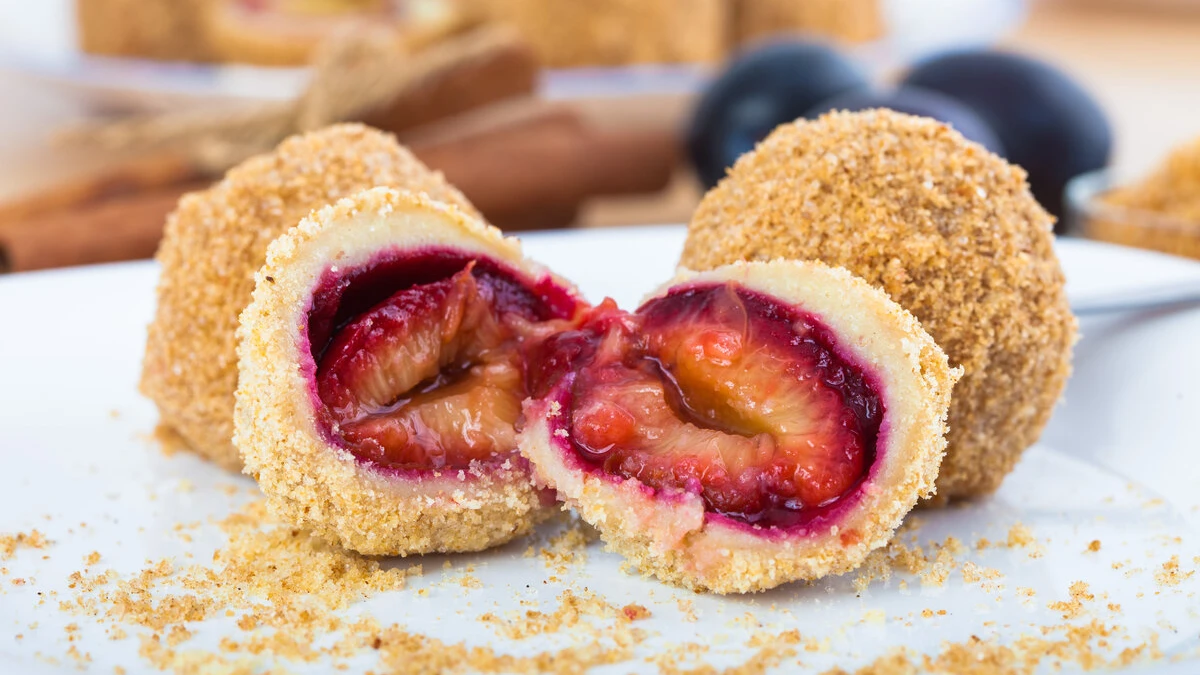
If you’ve made Hungarian Szilvás Gombóc, you’ll recognize the dough immediately.
Both recipes use a soft potato-based dough.
The difference is in the shape and filling:
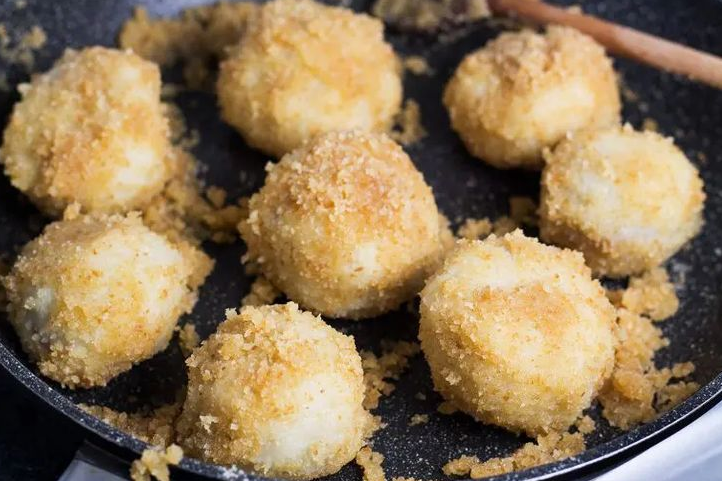
Szilvás Gombóc: potato dough + whole plum filling
Nudli: potato dough + no filling, rolled and cut into small pieces
This makes nudli much quicker to prepare when you want the comforting texture of Hungarian potato dumplings without stuffing individual pieces.
Can You Make Nudli Ahead?
Yes.
You can prepare the shaped dumplings and refrigerate them for a short period before boiling.
You can also freeze uncooked nudli.
Arrange them separately on a tray and freeze until firm before transferring them to a freezer-safe container.
Cook directly from frozen, allowing additional time as needed.
How to Store Leftovers
Allow cooked nudli to cool appropriately and store them in an airtight container in the refrigerator.
To reheat, gently warm them in a skillet with a little butter.
This method also gives the edges a delicious golden crust.
Frequently Asked Questions
What does Nudli mean?
Nudli is the Hungarian name for these small rolled potato dumplings.
Are nudli sweet or savory?
They can be either. Sweet versions with cinnamon, sugar, walnuts, poppy seeds, or jam are especially popular, while savory versions can accompany hearty meals.
Can I make nudli without eggs?
Yes, although the egg helps bind the dough. If omitting it, you’ll need to adjust the flour and handle the dough gently.
Why are my dumplings falling apart?
The dough may be too wet, insufficiently mixed, or the water may be boiling too aggressively. Make sure the potatoes are well drained and maintain a gentle boil.
Why are my nudli hard?
Too much flour is usually the main culprit. Add flour gradually and stop as soon as the dough becomes workable.
Can I use leftover mashed potatoes?
You can, provided they’re relatively dry and haven’t been heavily mixed with milk, cream, or other liquids.
🇭🇺 A Simple Hungarian Comfort Food
Nudli are a beautiful example of traditional Hungarian cooking: inexpensive ingredients, simple preparation, and incredible comfort.
Potatoes, flour, and an egg become soft little dumplings.
Butter and breadcrumbs add richness.
Cinnamon sugar, poppy seeds, walnuts, or jam transform them into a memorable sweet dish.
And because they’re so simple, nudli are perfect for a cozy family meal when you want something traditional without spending hours in the kitchen.
Final Thoughts
Hungarian Nudli may look humble, but their texture and versatility make them truly special.
The key is to start with dry, starchy potatoes, use flour sparingly, and cook the dumplings gently. Once they’re tender, coat them generously in golden buttery breadcrumbs and finish them with your favorite Hungarian topping.
🇭🇺 Serve them warm with cinnamon sugar and apricot jam for a traditional sweet treat, or keep them savory and pair them with a hearty Hungarian meal. Either way, Nudli is a delicious taste of classic Hungarian home cooking.