Hungarian Stuffed Cabbage Rolls — Töltött Káposzta!
Although the preparation takes some time, the process is straightforward.
1. Prepare the Cabbage Leaves
If using fresh cabbage, carefully separate the leaves and blanch them in boiling water until they become flexible.
Remove the thick central vein if necessary.
If using fermented cabbage leaves, rinse them lightly if they are particularly salty or sour, while keeping enough of their characteristic flavor.
2. Prepare the Filling
Combine the ground meat with rice, finely chopped onion, garlic, paprika, salt, and pepper.
The mixture should be moist enough to hold together but not overly wet.
Avoid packing the filling too tightly because the rice expands during cooking.
3. Roll the Cabbage
Place a portion of filling near the bottom or center of a cabbage leaf.
Fold the sides inward and roll the leaf firmly around the filling.
The rolls should be secure but not excessively tight, leaving some room for the rice to expand.
4. Build the Pot
Spread a layer of sauerkraut across the bottom of a large, heavy pot.
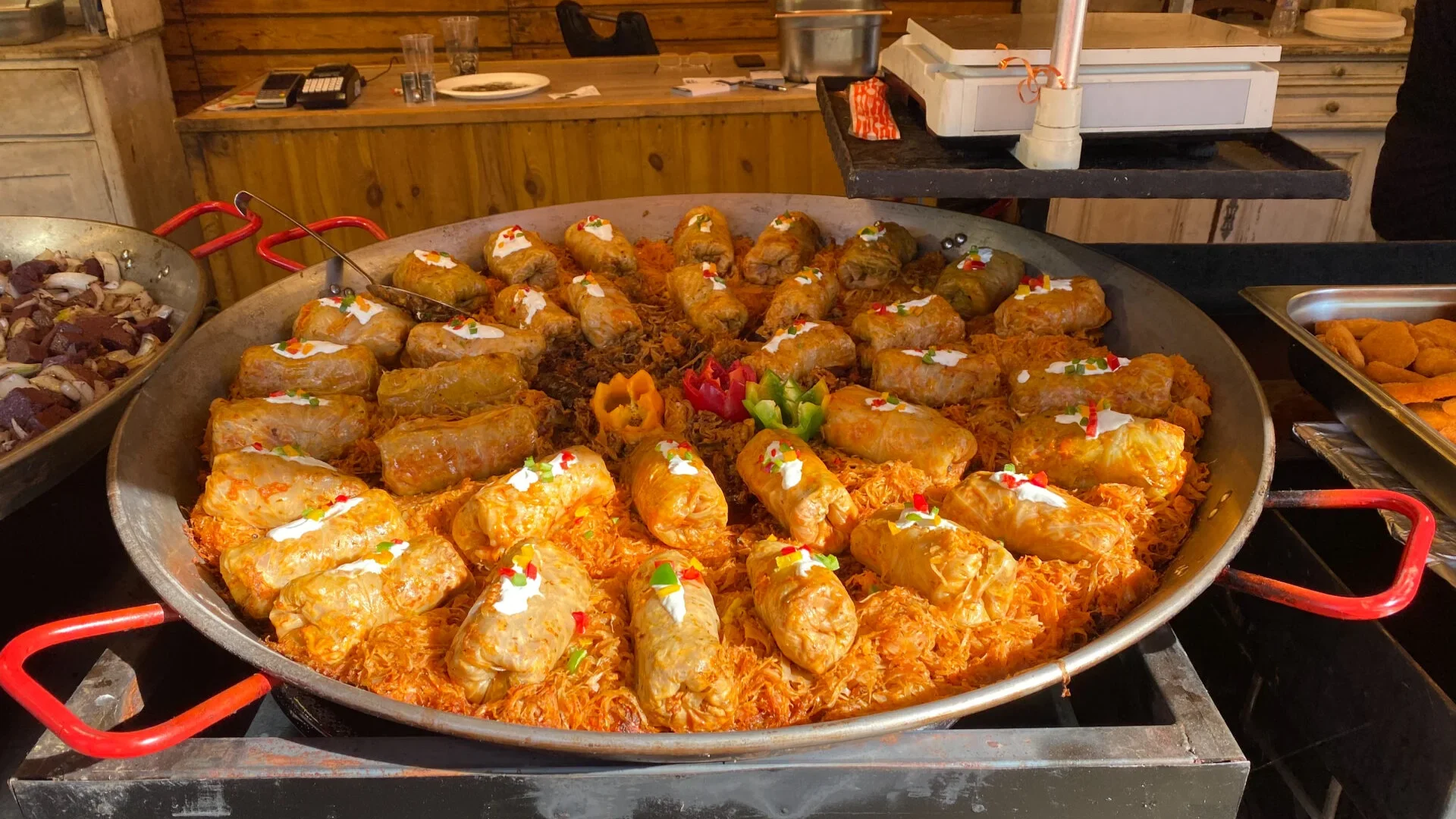
Arrange the cabbage rolls over the sauerkraut.
Add additional sauerkraut between and around the rolls, along with smoked meat or sausage if desired.
The layered arrangement allows the flavors to mingle during cooking.
5. Add Liquid and Simmer
Add enough water or broth to create a moist cooking environment without completely flooding the rolls.
Cover the pot and cook gently over low heat.
The cabbage should become tender, the rice fully cooked, and the meat safely cooked through.
Depending on the size of the rolls and cooking method, the dish may take roughly 1½ to 2½ hours.
Slow cooking is important because it allows the flavors to develop gradually.
The Importance of Paprika
Paprika deserves special attention in Hungarian cooking.
Sweet Hungarian paprika is not simply used to make dishes red. It contributes aroma, color, and a characteristic earthy sweetness.
However, paprika can become bitter if it is burned.
For this reason, it is often mixed into the filling or incorporated into the cooking liquid rather than aggressively fried at high temperatures.
Using fresh, good-quality paprika can make a noticeable difference in the finished dish.
How Töltött Káposzta Should Taste
Hungarian stuffed cabbage combines several contrasting flavors.
The cabbage provides a slightly tangy and earthy character. The meat adds richness, while rice creates a soft, satisfying texture.
Paprika contributes warmth and depth, while sauerkraut provides acidity.
When smoked meat or sausage is included, it adds another savory layer.
The final result should be hearty but balanced, with the sourness of the cabbage helping prevent the dish from becoming overwhelmingly rich.
Serving Hungarian Stuffed Cabbage
One of the most traditional accompaniments is sour cream.
A spoonful of sour cream placed over the hot cabbage rolls creates a creamy contrast with the tangy cabbage and rich meat.
Fresh bread is also an excellent accompaniment, particularly for soaking up the flavorful cooking juices.
Some people enjoy additional paprika or freshly ground black pepper at the table.
Because the dish is already substantial, it usually does not require complicated side dishes.
Why Töltött Káposzta Is Perfect for Large Gatherings
Stuffed cabbage is particularly well suited to family meals because it can be prepared in a large pot.
It also reheats well, and many cooks believe the flavors become even more harmonious after resting overnight.
This makes it practical for holidays and celebrations when much of the cooking can be done ahead of time.
A large batch can also feed a considerable number of people, making it a classic choice for communal meals.
Traditional Variations
There is no single recipe for Töltött Káposzta.
Different Hungarian families use different proportions of meat and rice, while some include smoked pork, sausage, bacon, tomatoes, or other seasonings.
Some versions are strongly sour from fermented cabbage, while others have a milder flavor.
The size of the cabbage rolls can also vary. Some are relatively small and uniform, while others are large and generously filled.
Regional traditions and family preferences have helped create many variations of this classic dish.
Tips for Better Stuffed Cabbage Rolls
Don’t overfill the leaves. Rice expands as it cooks, so leave some room inside each roll.
Keep the rolls secure. Fold the cabbage tightly enough to prevent the filling from escaping, but not so tightly that the expanding rice splits the leaf.
Cook gently. A slow simmer produces tender cabbage and allows the flavors to develop.
Use quality paprika. Hungarian paprika contributes significantly to the character of the dish.
Balance the sauerkraut. If it is extremely salty or sour, a light rinse can help create a more balanced result.
Let the dish rest. A short resting period allows the sauce and flavors to settle.
Try it the next day. Like many slow-cooked dishes, Töltött Káposzta can taste even better after the flavors have had additional time to develop.
A Symbol of Hungarian Home Cooking
Töltött Káposzta represents the kind of cooking that has been passed from one generation to another.
The recipe is practical, filling, and designed to make simple ingredients stretch into a substantial family meal. At the same time, the slow cooking process transforms those ingredients into something deeply flavorful.
For many people, stuffed cabbage is closely connected with memories of family kitchens, holiday tables, and large meals shared with relatives.
That emotional connection is part of what makes traditional dishes so enduring.
Final Thoughts
Hungarian Stuffed Cabbage Rolls — Töltött Káposzta — are a true classic of Hungarian comfort food.
Tender cabbage, savory meat, rice, paprika, tangy sauerkraut, and optional smoked meats come together in a dish that is rich, warming, and satisfying.
Finished with a generous spoonful of sour cream and served with fresh bread, Töltött Káposzta makes a memorable meal whether prepared for a holiday gathering or a quiet family dinner.
It is a dish that rewards patience—and one that demonstrates how traditional Hungarian cooking can turn humble ingredients into something wonderfully comforting.