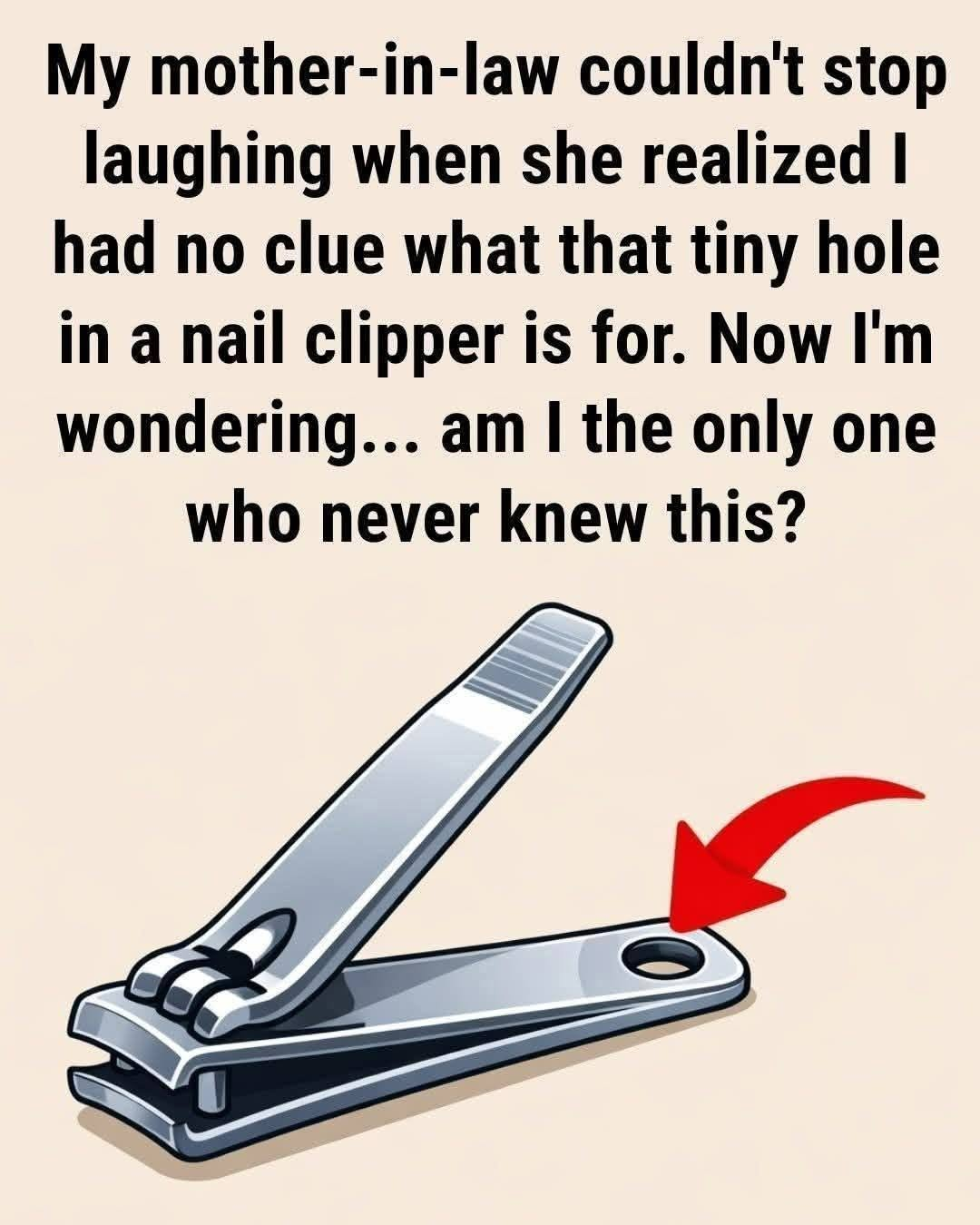
To fully appreciate the design of a nail clipper, it is helpful to understand the mechanical relationship between the hole and the rest of the tool. The hole is typically located on the proximal end of the bottom lever, the part that the user presses down on. In many models, this hole is positioned far enough from the pivot point to allow a key ring to be easily inserted without interfering with the lever’s range of motion. Some patents, such as a 2011 application for a “Hole Exposed on the Key Ring Nail Clipper,” specifically address the need to extend the proximal end of the clipper to ensure the hole is fully accessible and not blocked by the pivot arm when the tool is closed . This shows that even in modern times, engineers are still refining this specific feature to improve user experience. During manufacturing, the hole also acts as a jig point. The metal is stamped, and the hole is often punched simultaneously to create a reference point for aligning the rivet that connects the upper and lower levers. This ensures that the cutting edges meet perfectly, which is essential for a clean, safe cut.
The Evolution of a Tool: Why the Design Persists
The nail clipper has seen remarkably few changes since its initial patent, a testament to the efficiency of its original design. While materials have improved, and some modern variations include built-in files or different blade geometries, the fundamental form—a lever, a pivot, and a pair of curved jaws—has remained static for well over a century. The hole is a perfect example of this enduring design philosophy. It costs virtually nothing to manufacture, adds no weight, and provides a tangible benefit to the user. In a world where products are often redesigned for the sake of novelty, the nail clipper remains a functional artifact. The hole persists because it works. It helps prevent loss, aids in organization, and even assists in the factory. For a feature that is so often ignored, it is surprisingly indispensable.
Practical Applications for Modern Users
For the modern consumer, recognizing the hole’s purpose opens up a range of practical applications. Beyond the standard keychain attachment, users can thread a colorful ribbon through the hole to make the clipper easier to spot in a dark bathroom cabinet or a cluttered toiletry bag . This is particularly helpful for people with vision impairments or for those who frequently travel and need to locate items quickly in dimly lit hotel rooms. For outdoor enthusiasts, a small carabiner can be clipped through the hole, allowing the clipper to be attached to a backpack loop or a belt, ensuring it is always within reach for emergency repairs to nails or gear. Even in everyday life, the hole provides a simple solution to the frustration of losing a small but essential tool, proving that sometimes the smallest design details have the biggest impact on our daily routines.