What Does This Dinner Still Need? The Internet Can’t Agree!
You sit down to dinner and everything seems to be there. The main dish looks delicious, the plate is nicely arranged, and there is enough food to make anyone hungry.
But something feels missing.
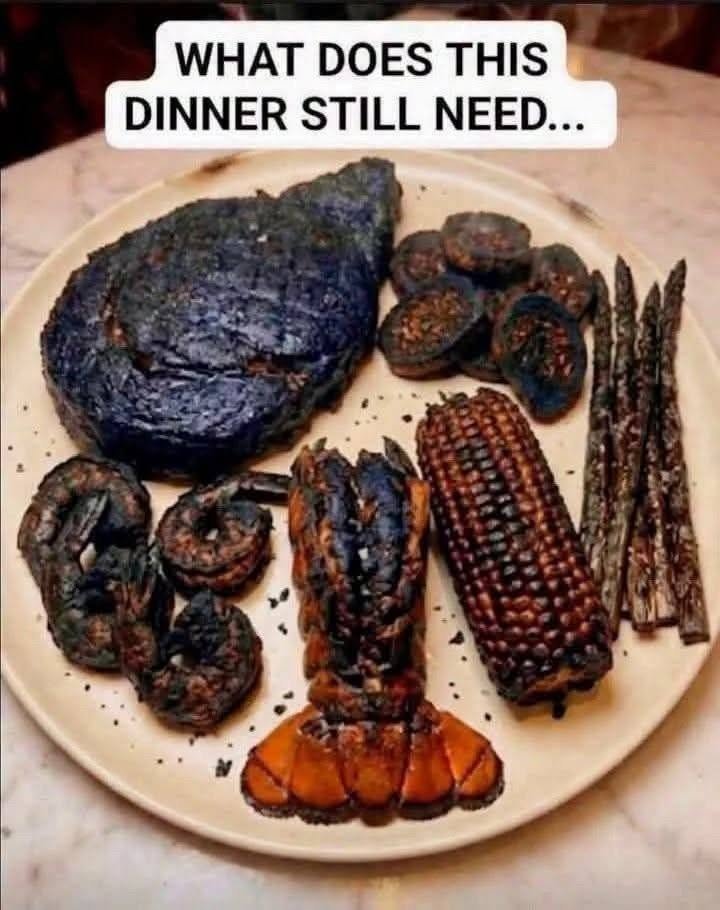
What does this dinner still need?
That simple question has become the perfect recipe for an online debate. Depending on who you ask, the answer might be a fresh salad, a sauce, a side of vegetables, some bread, a spicy condiment—or absolutely nothing at all.
The fun begins when everyone realizes they have a completely different idea of what makes a meal feel complete.
The Missing Sauce Argument
For many people, the first answer is obvious:
“It needs sauce.”
A good sauce can transform an otherwise ordinary plate. Whether it is gravy, tomato sauce, garlic sauce, yogurt sauce, or a simple pan sauce, something moist and flavorful can bring different components together.
For fried foods, sauces can provide acidity and richness. With grilled meats, they can add freshness or spice. Even roasted vegetables can benefit from a flavorful dressing.
But there is a problem.
Not everyone wants sauce.
Some diners believe that a well-prepared main dish should have enough flavor and moisture on its own. Adding sauce may overwhelm the original ingredients rather than improve them.
And that’s where the argument begins.
Maybe It Needs a Salad
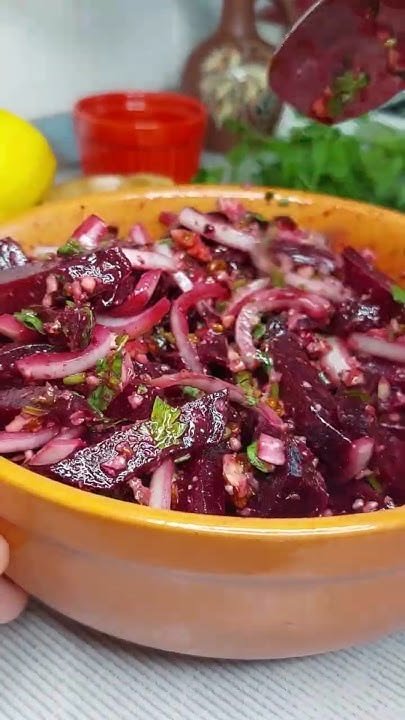
Another popular answer is a fresh salad.
A crisp salad can provide something that a warm, hearty main course often lacks: freshness.
Lettuce, tomatoes, cucumber, carrots, herbs, onions, or cabbage can introduce crunch and acidity. A simple vinaigrette can also brighten rich or salty foods.
This is especially useful when dinner contains fried or heavily seasoned ingredients.
But again, there is no universal rule.
Some people consider salad essential. Others see it as completely unnecessary when there are already vegetables somewhere else on the plate.
“Where Are the Vegetables?”
For some people, the missing element isn’t a condiment at all.
It’s vegetables.
A dinner built around meat, potatoes, pasta, or rice may feel incomplete without a vegetable component.
Roasted carrots, green beans, broccoli, zucchini, spinach, peas, or seasonal vegetables can add color, texture, and nutritional variety.
From a balanced-meal perspective, including vegetables is often a practical way to increase fiber and micronutrient intake.
But that doesn’t mean every dinner needs to follow the same formula. A meal can be perfectly satisfying without containing every food group in a specific arrangement.
Bread Changes Everything
Then there is the bread camp.
For some diners, bread is not an optional side dish. It is part of the meal itself.
A warm piece of crusty bread can be especially useful when dinner includes a flavorful sauce, stew, soup, or pan juices.
Bread can also add texture and make a meal feel more substantial.
On the other hand, someone eating a pasta- or rice-based dinner might reasonably ask:
“Why do I need bread too?”
And that is a difficult question to argue against.