The Carotid Arteries: The Silent Pathway to the Brain
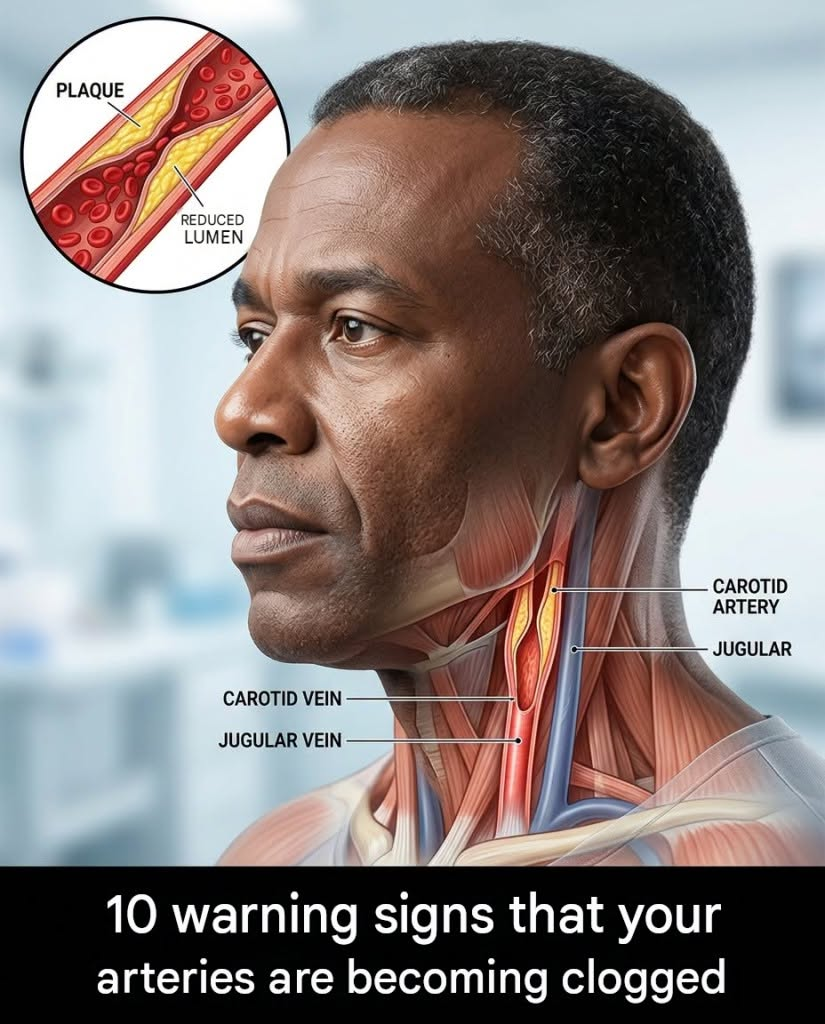
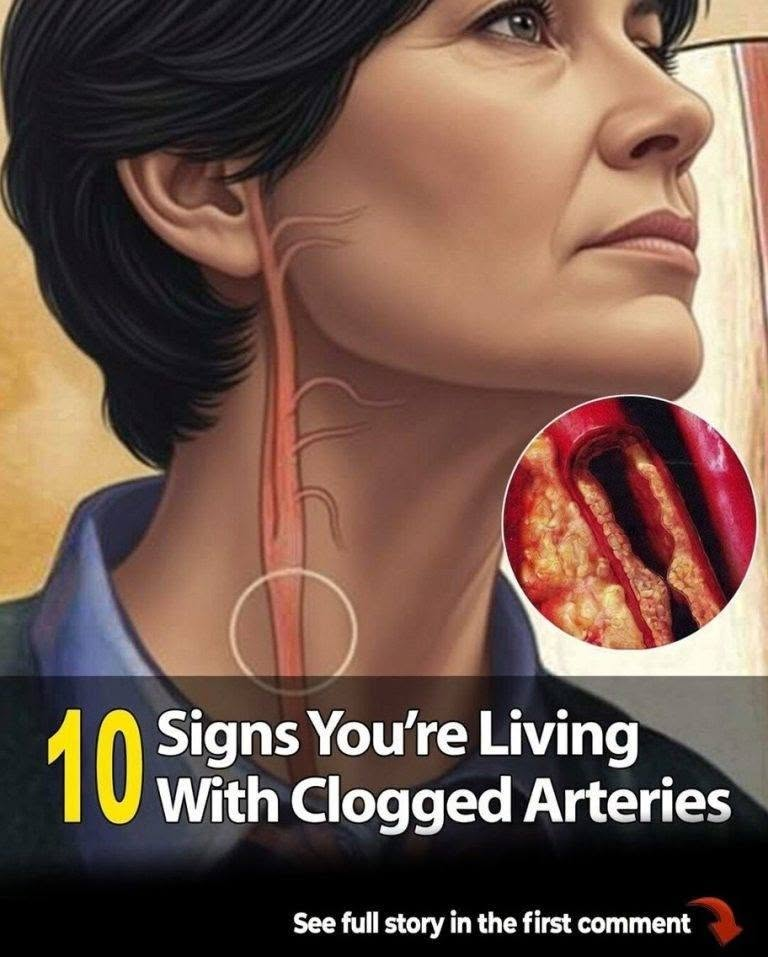
The carotid arteries are the two major vessels on either side of the neck that deliver oxygen-rich blood to the brain. When plaque—a buildup of cholesterol, fat, calcium, and other substances—accumulates in these arteries, the condition is called carotid artery disease. The critical feature of this disease is its silence. In its early stages, carotid artery disease often produces no symptoms at all . The narrowing can progress for years without any perceptible change. For some people, the first indication that something is wrong is a transient ischemic attack (TIA), sometimes called a “mini-stroke,” or a full stroke . A doctor may sometimes hear a “bruit”—a whooshing sound—through a stethoscope placed on the neck, but this is an incidental finding, not something a person can detect on their own . This silence is why carotid artery disease is so dangerous: it can remain hidden until it causes a neurological event.
The Warning Signs of a TIA or Stroke
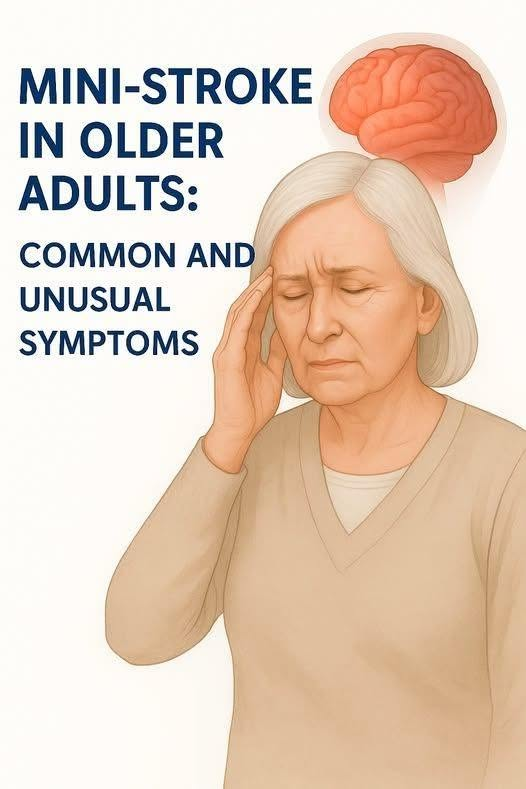
When the carotid arteries do produce symptoms, they are neurological, reflecting a temporary or permanent lack of blood flow to part of the brain. The warning signs are well-established and should be treated as emergencies. They include sudden numbness, tingling, weakness, or loss of movement in the face, arm, or leg, particularly on one side of the body . Sudden trouble speaking or understanding speech is another critical sign . Vision changes—blurred vision, loss of vision in one or both eyes, or a temporary loss of vision in one eye—can occur . Sudden dizziness, loss of balance, or difficulty walking are also red flags . A sudden, severe headache with no known cause is another symptom that warrants immediate attention . These symptoms may last only a few minutes and then resolve, which is characteristic of a TIA. But a TIA is a warning: it signals that a stroke may happen in the future if nothing is done to prevent it . Even if symptoms disappear quickly, they should never be ignored .
Peripheral Arterial Disease: The Legs as a Window to Systemic Health
Peripheral arterial disease (PAD) is the narrowing or blockage of the arteries that carry blood from the heart to the legs and other parts of the body . The classic symptom is claudication: muscle pain, cramping, tightness, or weakness in the calf, thigh, or buttocks that occurs with physical activity, such as walking, and resolves after a few minutes of rest . This pattern—pain with exertion, relief with rest—is the hallmark of PAD. However, it is important to recognize that up to four in ten people with PAD do not experience leg pain . This means that the absence of claudication does not rule out the disease. PAD is also a marker of systemic atherosclerosis; people with PAD are at increased risk for heart attack and stroke, because the same plaque buildup that narrows leg arteries can affect arteries elsewhere .
Physical Signs of PAD Beyond Pain
Beyond claudication, PAD produces a range of physical signs that can be observed in the legs and feet. The skin may become smooth and shiny, and hair loss on the legs or feet can occur . The skin may feel cool to the touch, particularly when compared with the other leg or with the rest of the body . Pulses in the feet may be weak or absent . Sores or ulcers on the legs or feet that do not heal are a serious sign of advanced PAD and inadequate blood flow . The toes may feel cold or numb . In men, erectile dysfunction can be a symptom of PAD, because the arteries supplying the penis are also affected by the same systemic process . These physical signs, combined with the classic pain pattern, form a more complete picture than the “10 signs” framing suggests.