Hungarian Meatloaf (Fasírt): A Classic Taste of Hungarian Home Cooking
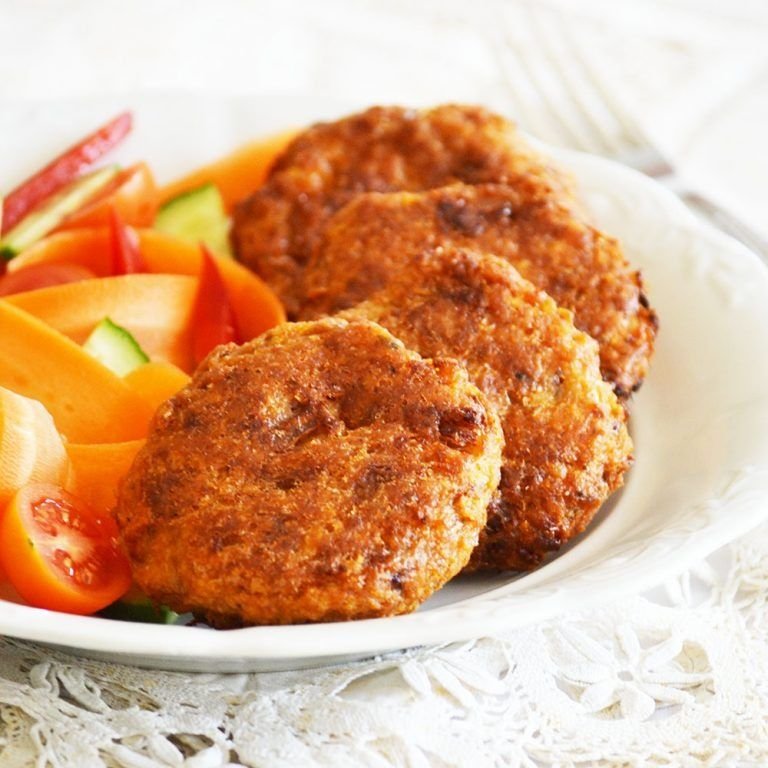
Crispy on the outside, tender and flavorful on the inside, Hungarian Meatloaf, known as Fasírt, is a beloved dish that represents the comforting simplicity of traditional Hungarian home cooking.
Made with seasoned ground meat, bread, eggs, garlic, paprika, and herbs, Fasírt can be shaped into small patties or larger loaves before being fried or baked. Its versatility has made it a familiar presence at Hungarian family tables for generations.
Whether served with potatoes and vegetables, tucked into a sandwich, or enjoyed cold the following day, Fasírt is an uncomplicated dish with plenty of character.
What Is Fasírt?
Fasírt is the Hungarian name commonly used for a seasoned mixture of ground meat shaped into patties or balls and cooked until browned.
The dish is often prepared with pork, beef, or a combination of meats. Bread or breadcrumbs are incorporated to give the mixture structure and create a tender texture.
Unlike a traditional American-style meatloaf, Hungarian Fasírt is frequently shaped into individual portions and fried in oil. However, baked versions are also popular.
Its seasoning is distinctly Hungarian, with paprika and garlic playing important roles.
The Ingredients Behind Traditional Fasírt
A classic Fasírt recipe generally relies on familiar ingredients:
Ground pork, beef, or a combination
Bread or breadcrumbs
Egg
Garlic
Hungarian paprika
Salt and black pepper
Onion, depending on the recipe
Fresh parsley or other herbs
Oil for frying
The exact proportions vary between families and regions.
Some cooks soak stale bread in water or milk before squeezing it dry and adding it to the meat mixture. This traditional technique helps create a softer, more tender interior.
Why Paprika Matters
Paprika is one of the defining ingredients of Hungarian cuisine, and it gives Fasírt much of its characteristic flavor and color.
Sweet Hungarian paprika contributes a warm, mildly sweet, earthy note without necessarily making the dish spicy.
Hot paprika can be added when a stronger kick is desired.
As with many Hungarian recipes, the paprika should be handled carefully. Excessive heat can cause it to burn and develop bitterness.
Garlic: A Defining Flavor
Garlic gives Fasírt its unmistakable savory character.
Freshly minced or crushed garlic is incorporated directly into the meat mixture. The amount can vary considerably depending on personal preference.
For many versions of Hungarian Fasírt, garlic is not simply an optional seasoning—it is one of the flavors that makes the dish immediately recognizable.
Preparing the Meat Mixture
The preparation begins by combining the ground meat with the remaining ingredients.
If bread is being used, it is softened first and then thoroughly squeezed to remove excess moisture.
The meat, bread, egg, paprika, garlic, seasonings, and herbs are then mixed until evenly combined.
The mixture should be cohesive but not excessively compact. Overmixing can produce a dense texture, while insufficient mixing can cause the patties to fall apart during cooking.
Shaping Fasírt
One of the advantages of Fasírt is that it can take several forms.
Small Patties
Small, flattened patties are particularly convenient for frying. Their relatively thin shape allows the exterior to become nicely browned while the center cooks evenly.
Meatballs
The mixture can also be rolled into small balls. These are often fried until golden and can be served as appetizers, snacks, or part of a larger meal.
Larger Meatloaf
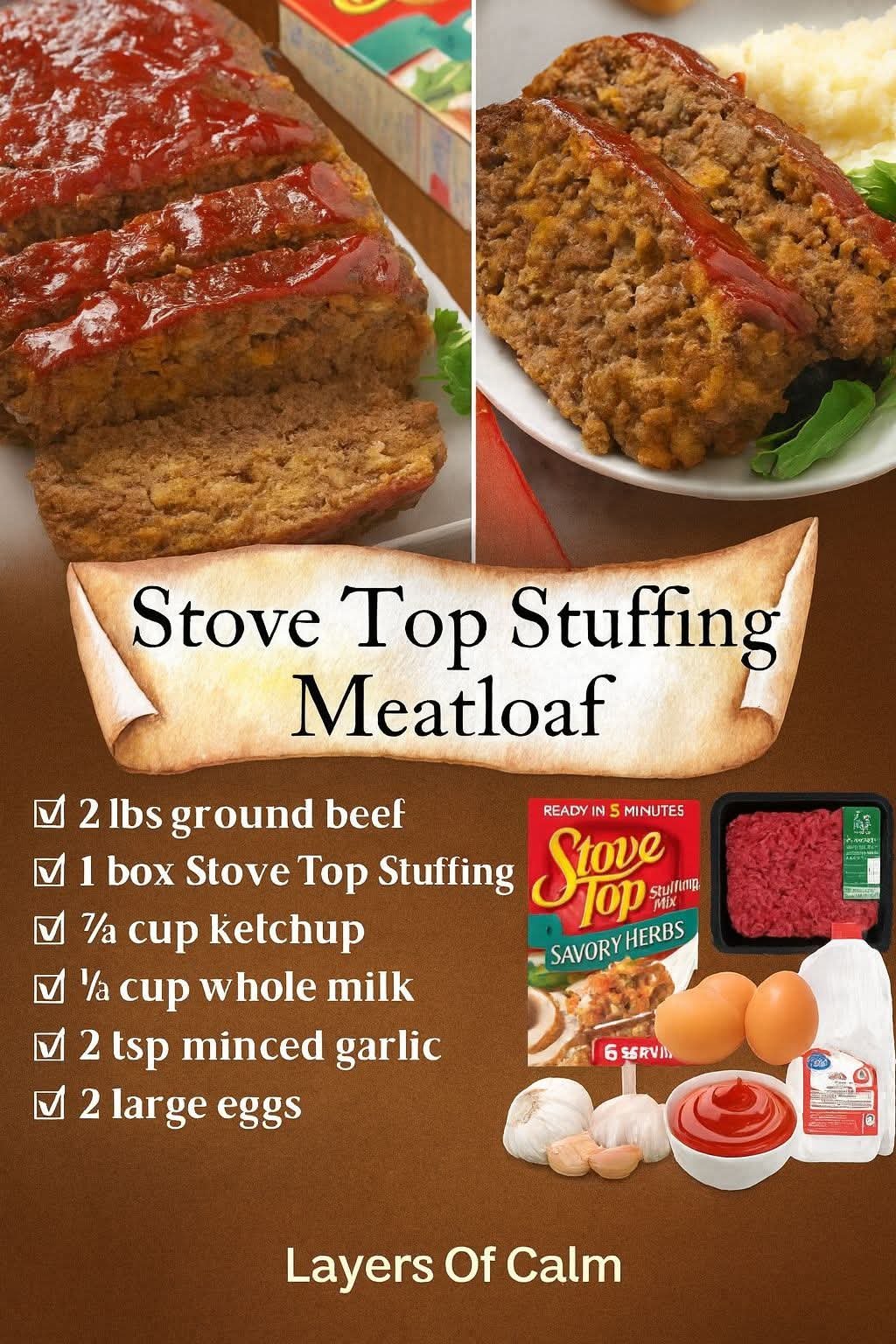
For a more traditional meatloaf-style presentation, the mixture can be formed into a larger loaf and baked.
The cooking method changes the texture slightly, but the characteristic Hungarian seasoning remains.
Frying Hungarian Meatloaf
When Fasírt is prepared as individual patties, frying is a traditional approach.
The patties are placed into hot oil and cooked until deeply golden on the outside and fully cooked in the center.
The oil should be hot enough to create a crisp crust but not so hot that the exterior burns before the inside is done.
After cooking, the patties can be placed on a rack or paper towels to remove excess oil.
Baking as an Alternative
Fasírt can also be baked rather than fried.
Baking reduces the amount of oil used and is convenient when preparing a larger quantity at once.
The meatloaf or patties should be cooked until they reach a safe internal temperature, rather than relying solely on exterior color to determine doneness.
Baking can produce a slightly different crust from frying, but the garlic, paprika, and seasoned meat remain the defining flavors.
What Does Fasírt Taste Like?
Hungarian Fasírt is savory, garlicky, mildly spiced, and deeply comforting.
The browned exterior provides a satisfying crust, while the bread-enriched interior remains tender.
Paprika contributes warmth and color, garlic adds intensity, and herbs such as parsley can provide freshness.
Because the seasoning is relatively straightforward, the quality of the meat and the balance of the ingredients are especially important.