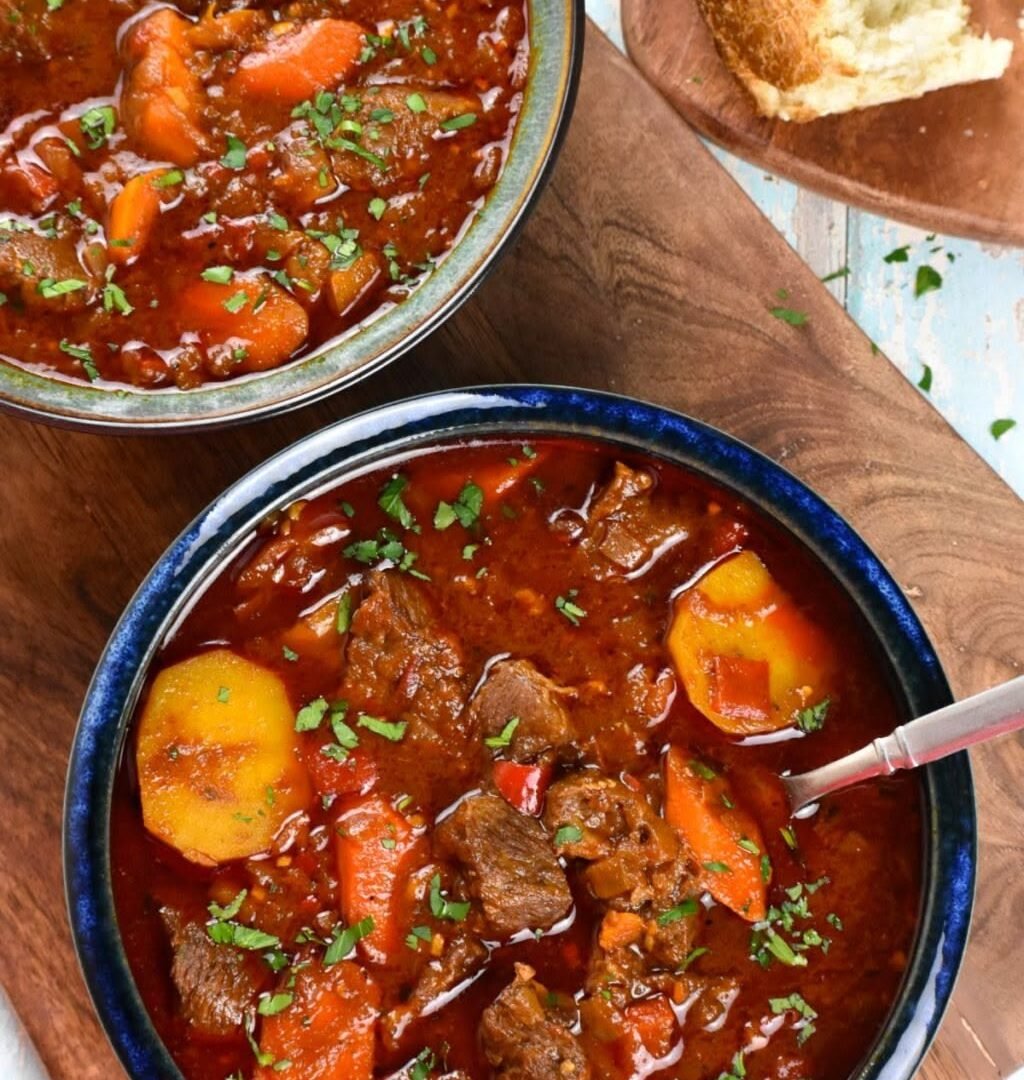
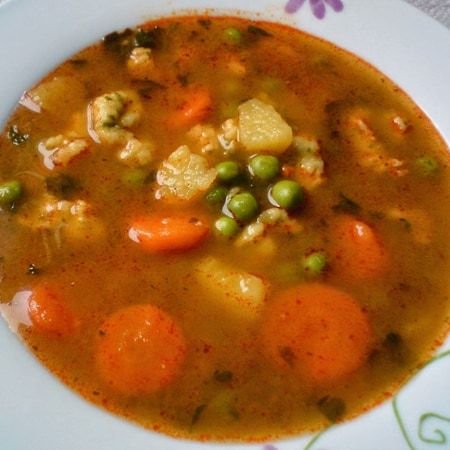
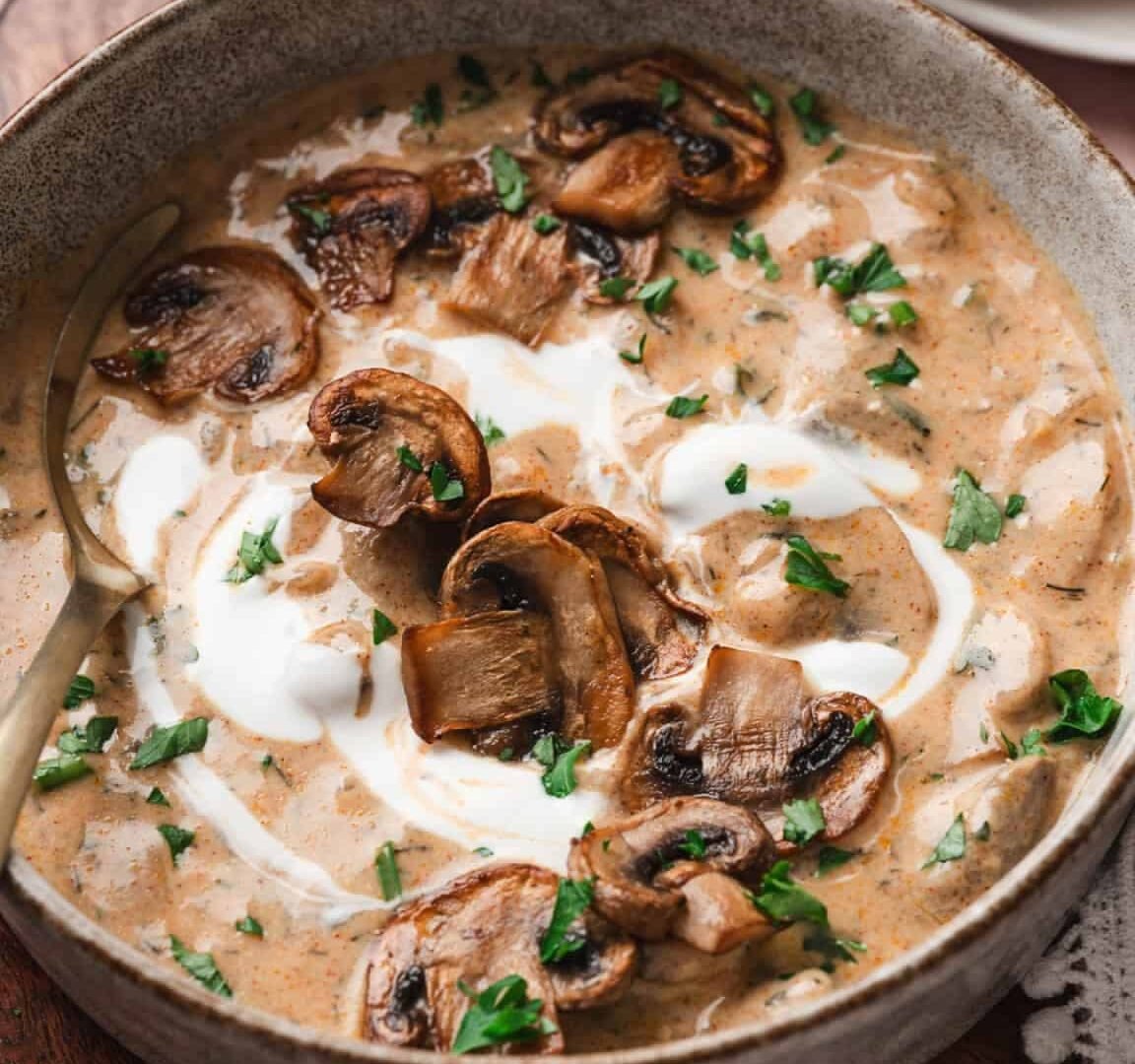
Few dishes are as closely associated with Hungary as Gulyás, commonly known around the world as Hungarian Goulash. Rich with paprika, tender beef, vegetables, and potatoes, this traditional dish is hearty, aromatic, and deeply comforting.
However, there is an important distinction between authentic Hungarian gulyás and the thick beef stew that is often called “goulash” outside Hungary. Traditional gulyás is actually a soup, with a flavorful broth surrounding tender pieces of beef, vegetables, and potatoes.
Its roots are connected to Hungary’s pastoral traditions, and over time it became one of the country’s most recognizable national dishes.
What Is Traditional Hungarian Gulyás?
The Hungarian word gulyás originally referred to a cattle herder, while gulyásleves means goulash soup.
Traditional gulyás is typically prepared with beef, onions, Hungarian paprika, potatoes, carrots, parsley root, and seasonings such as garlic and caraway seeds.
The result is a rich but relatively clear soup rather than a thick gravy-based stew.
The dish is often cooked slowly so that the beef becomes tender and the vegetables absorb the characteristic paprika-infused broth.
The Difference Between Gulyás and Goulash Stew
One of the biggest sources of confusion is the word “goulash.”
In Hungary, gulyás is traditionally a soup.
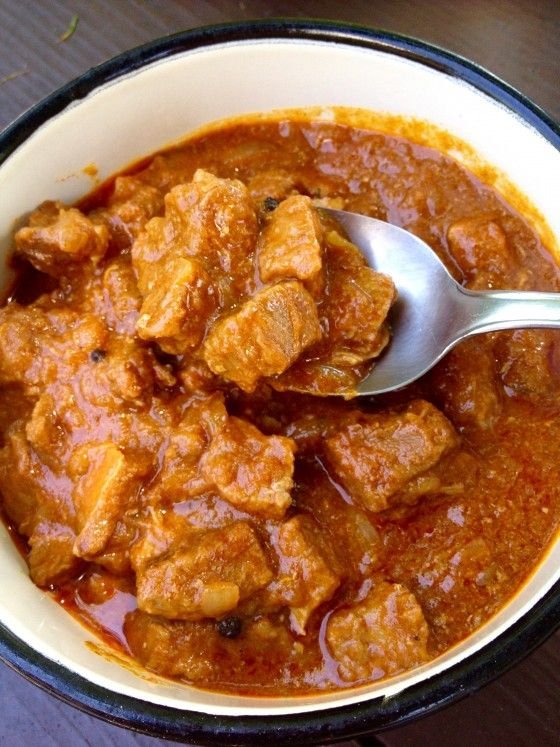
A thicker Hungarian beef dish such as marhapörkölt is closer to what many people outside Hungary imagine when they hear the word “goulash.”
The distinction is important:
Gulyás: a hearty, paprika-seasoned soup with beef, vegetables, and potatoes.
Pörkölt: a thicker, concentrated meat dish with much less liquid.
Both are traditional Hungarian dishes, but they are prepared and served differently.
The Essential Ingredients
Traditional gulyás does not require an enormous list of ingredients. Its character comes from combining a few flavorful staples.
Beef
Beef is the traditional meat.
Cuts suitable for slow cooking, such as beef chuck or shin, work particularly well because their connective tissue gradually becomes tender.
The beef is generally cut into bite-sized cubes.
Onions
Onions create the foundation of the dish.
They are gently cooked before the paprika is incorporated, contributing sweetness and depth to the broth.
Hungarian Paprika
Paprika gives gulyás its characteristic color and aroma.
Sweet Hungarian paprika is commonly used, while hot paprika can be added for additional heat.
Because paprika can burn easily, it should be handled carefully and not cooked aggressively over high heat.
Potatoes
Potatoes make gulyás especially filling.
They are typically cut into medium-sized pieces and added during the cooking process so they become tender without completely falling apart.
Carrots and Parsley Root
Carrots add sweetness and color, while parsley root contributes a distinctive earthy aroma often associated with Central European soups.
Garlic and Caraway
Garlic provides savory depth, while caraway seeds contribute a warm, slightly aromatic flavor.
Some recipes also include tomatoes and green peppers.