The preparation is straightforward, but slow cooking is essential.
1. Prepare the Beef
Cut the beef into evenly sized cubes.
This helps the pieces cook at roughly the same rate.
2. Cook the Onions
Heat a little cooking fat or oil in a large heavy pot.
Add finely chopped onions and cook until softened.
They should become translucent and aromatic without being heavily browned.
3. Add the Paprika
Reduce the heat before adding the Hungarian paprika.
Stir it into the onions carefully.
Paprika can become bitter when burned, so controlling the temperature at this stage is important.
4. Add the Beef
Add the beef cubes and stir them into the onion and paprika mixture.
Allow the meat to cook briefly while becoming coated with the flavorful base.
5. Add Water and Seasonings
Pour in enough water to create the characteristic soup-like consistency.
Add garlic, caraway seeds, salt, pepper, and other traditional seasonings according to the recipe.
Bring the mixture to a gentle simmer.
6. Cook the Beef Slowly
Allow the beef to simmer gently until it begins to become tender.
This can take around 1½ to 2 hours, depending on the cut and size of the beef pieces.
Slow cooking allows the broth to become increasingly flavorful.
7. Add the Vegetables
Add carrots, parsley root, and other vegetables during the cooking process.
Potatoes are generally added later because they require less time to become tender than the beef.
8. Finish the Soup
Continue simmering until the beef and vegetables are tender.
Adjust the seasoning and consistency before serving.
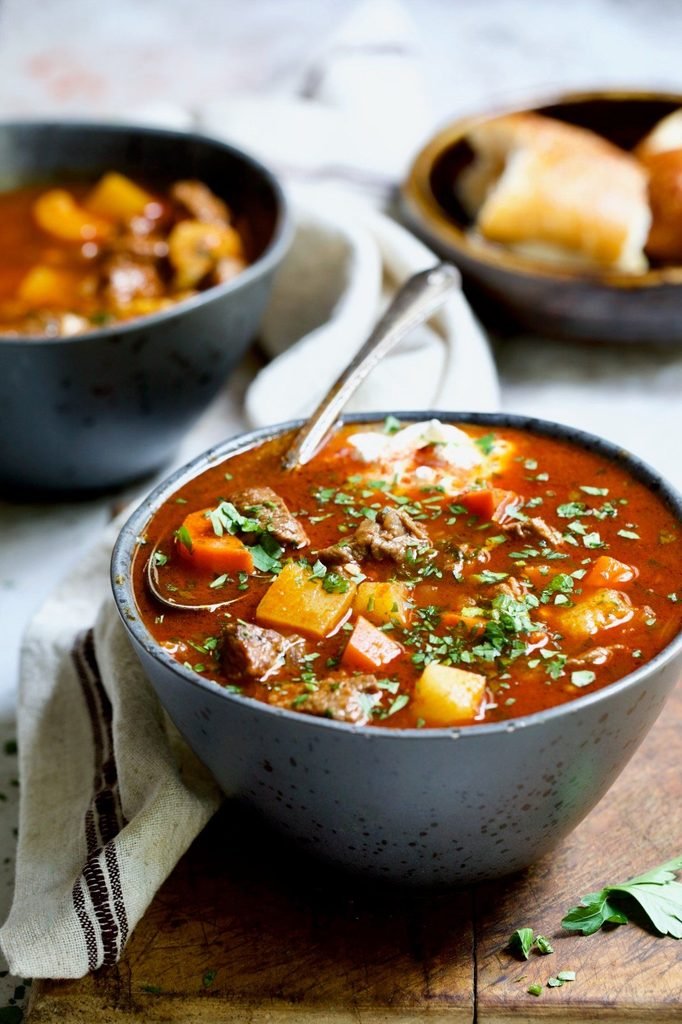
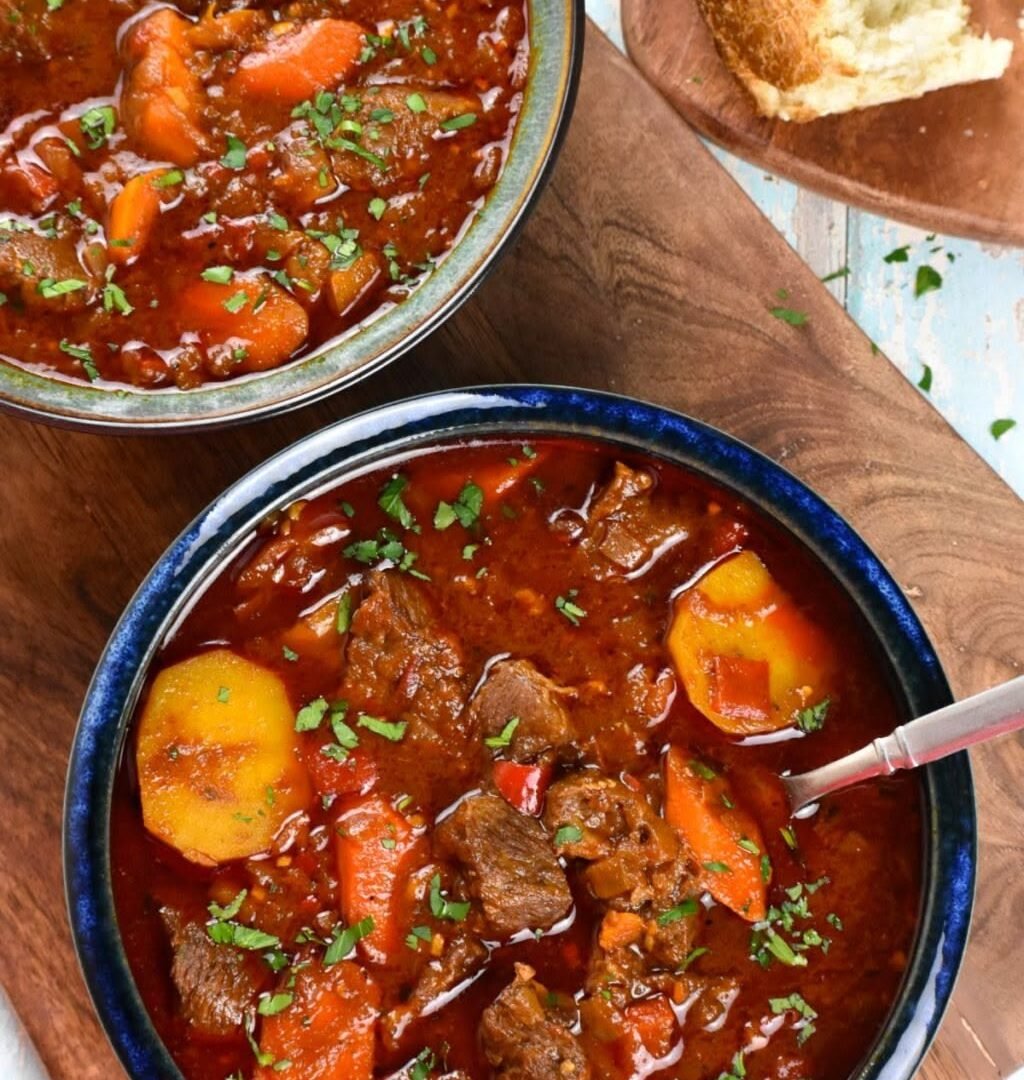
The finished gulyás should have plenty of flavorful broth while remaining substantial enough to function as a complete meal.
What Does Hungarian Gulyás Taste Like?
Traditional gulyás has a deep, savory flavor with a distinctive paprika aroma.
The beef contributes richness, while onions create sweetness and body.
Carrots and potatoes add additional natural sweetness and substance.
Caraway and garlic provide subtle aromatic notes, while paprika gives the soup its characteristic warmth and color.
The final flavor should be balanced rather than overwhelmingly spicy.
The Role of Paprika
Paprika is one of the defining ingredients of Hungarian cuisine, but not all paprika is the same.
Hungarian paprika varieties range from sweet and mild to hot and intensely flavored.
For traditional gulyás, sweet paprika is often the foundation, with hotter varieties added according to personal preference.
The quality of the paprika matters because it contributes not only color but also aroma and flavor.
One of the most important techniques is to avoid burning it. Adding paprika over moderate heat and quickly incorporating liquid helps protect its delicate flavor.
Optional Csipetke
Some versions of gulyás include csipetke, small Hungarian hand-pinched dumplings.
These tiny pieces of egg dough are made from flour and egg and cooked directly in the soup.
They make the dish even more substantial and provide a pleasant chewy texture.
Whether csipetke are included often depends on regional and family traditions.
Regional and Family Variations
There is no single recipe that represents every Hungarian household.
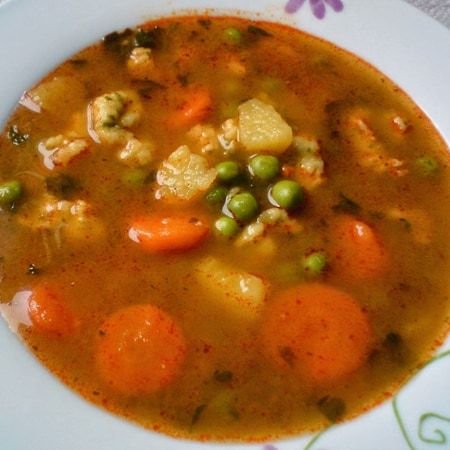
Some versions contain tomatoes and green peppers, while others focus more strongly on paprika, onion, garlic, and caraway.
The amount of vegetables can also vary.
Some cooks prefer a broth-heavy soup, while others make a more substantial version filled with meat and potatoes.
Smoked ingredients may occasionally appear in variations, although the classic beef-based preparation remains one of the best-known forms.
These differences are part of the character of traditional Hungarian cooking.
Helpful Cooking Tips
Use a suitable beef cut. Tougher cuts intended for slow cooking can become exceptionally tender.
Don’t rush the beef. Slow simmering is essential for developing texture and flavor.
Protect the paprika. Avoid exposing it to excessive heat.
Cut vegetables evenly. Similar-sized pieces cook more consistently.
Add potatoes later. This helps prevent them from becoming overly soft.
Taste as you cook. Salt and seasoning can be adjusted gradually as the broth develops.
Let it rest briefly. A short resting period allows the flavors to settle before serving.
How to Serve Hungarian Gulyás
Gulyás is traditionally served hot and can easily stand alone as a complete meal.
Fresh bread is an excellent accompaniment, particularly for enjoying the flavorful broth.
Depending on the preparation, it may also be served with:
Csipetke dumplings
Pickled vegetables
Hot paprika
Fresh peppers
Rustic country bread
Unlike some creamy European soups, traditional gulyás does not require sour cream, although individual preferences and modern adaptations may vary.
The History and Cultural Character of Gulyás
The origins of gulyás are closely associated with Hungary’s cattle-herding traditions.
Herdsmen cooked practical, filling meals in large pots over open fires, using ingredients that could be transported or stored easily.
Over time, the dish moved beyond the pastoral setting and became part of Hungarian home cooking.
Paprika eventually became a defining component of Hungarian cuisine, and gulyás evolved into the recognizable dish enjoyed throughout the country today.
Its simplicity and adaptability helped it become one of Hungary’s best-known culinary symbols.
Why Gulyás Remains a Hungarian Classic
Gulyás succeeds because it is both simple and deeply satisfying.
The basic ingredients—beef, onions, paprika, potatoes, and vegetables—are transformed through slow cooking into a soup with remarkable depth.
It is equally appropriate for a family dinner, a cold winter afternoon, or a large gathering around a traditional Hungarian table.
The dish also demonstrates an important principle of Hungarian cooking: good food does not require complicated ingredients when technique and patience are used well.
Final Thoughts
Traditional Hungarian Goulash, or Gulyás, is much more than a famous international dish. It is a flavorful representation of Hungarian culinary heritage.
Tender beef, potatoes, carrots, onions, garlic, caraway, and Hungarian paprika come together in a hearty broth that is both rustic and deeply comforting.
While versions of “goulash” around the world have evolved into thick stews, authentic Hungarian gulyás is traditionally a soup—one that reflects Hungary’s pastoral roots and enduring love of paprika-rich cooking.
Served with fresh bread or traditional csipetke, a bowl of gulyás offers a delicious taste of classic Hungarian home cooking.