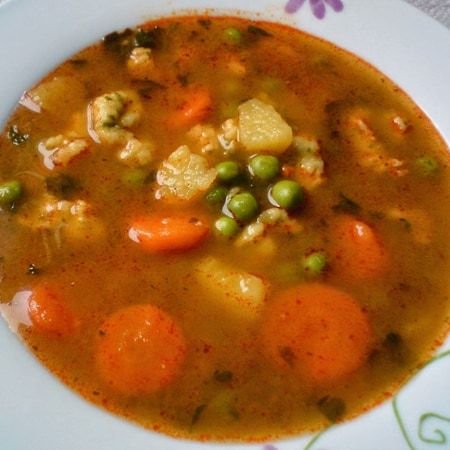
Hungarian Fisherman’s Soup (Halászlé): A Traditional Taste of Hungary
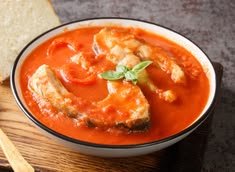
Hungarian Fisherman’s Soup, traditionally known as Halászlé, is one of Hungary’s most celebrated and distinctive culinary specialties. Renowned for its vibrant red color, intense paprika aroma, and rich freshwater fish flavor, this traditional soup has deep roots in the country’s river and lakeside communities.
More than a simple fish soup, Halászlé represents an important part of Hungarian culinary heritage. Its preparation is closely associated with the Danube and Tisza rivers, where regional traditions have shaped different versions of the dish over generations.
A Dish Rooted in Tradition
Traditionally, Halászlé was prepared by fishermen using the freshwater fish available in their local rivers. The recipe was deliberately straightforward, relying on a small number of essential ingredients: fresh fish, onions, Hungarian paprika, salt, and water.
The soup is traditionally cooked in a bogrács, a large Hungarian cauldron suspended over an open fire. This distinctive cooking method is closely connected with the dish’s heritage and remains an important part of traditional preparations, particularly during outdoor gatherings and festivals.
The Role of Freshwater Fish
Fish is naturally the centerpiece of Halászlé. Carp is among the most commonly used varieties, although traditional recipes may also include catfish, pike-perch, and other freshwater species.
The fish contributes both texture and depth to the soup. Heads, bones, and other parts are often used to develop a rich and flavorful base, while carefully selected portions of fish are added later and cooked until tender.
The quality and freshness of the fish are essential to achieving the distinctive character associated with an authentic bowl of Halászlé.
Hungarian Paprika: The Defining Ingredient
Few ingredients are as important to Halászlé as Hungarian paprika. It gives the soup its characteristic deep-red appearance while contributing its distinctive sweetness, fragrance, and heat.
The paprika is incorporated into the cooking process with care, as excessive heat can affect its flavor and color. Depending on the regional tradition and personal preference, Halászlé can range from relatively mild to distinctly spicy.
Unlike creamy Western-style fish soups, traditional Halászlé generally contains no cream or flour. Its richness comes from the fish, onions, paprika, and traditional cooking method.
Regional Traditions
Halászlé is not represented by a single standardized recipe. Several regional interpretations exist, each reflecting local culinary customs.
The Szeged-style preparation is particularly famous for its intensely flavored fish broth and generous use of paprika. The Baja-style version is also widely recognized and is traditionally associated with serving the soup with thin noodles.
Although these variations differ in preparation and presentation, they share the same fundamental identity: a robust freshwater fish soup defined by paprika and traditional Hungarian cooking techniques.