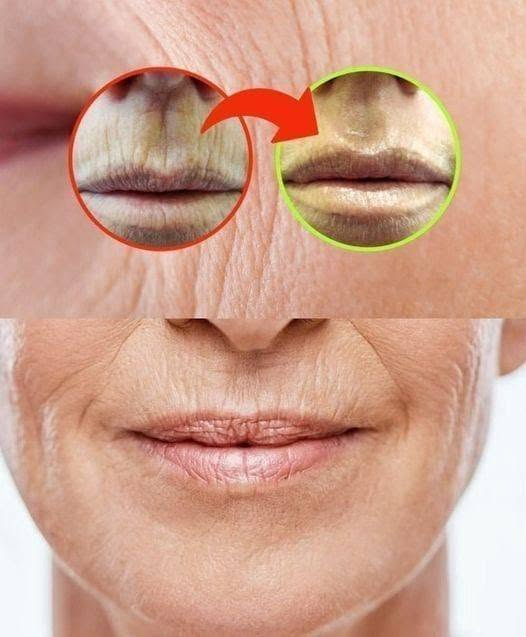
The skin around the mouth is uniquely vulnerable to the aging process. Unlike other areas of the face, the skin here is exceptionally thin and lacks sebaceous glands, which means it has less natural oil to keep it supple and hydrated. The vermilion border—the edge of the lip—connects to the skin of the face, and the junction is a primary site for the development of vertical lines. These lines, often referred to as radial lip lines, are a form of dynamic wrinkles, meaning they are initially caused by muscle movement. Every time you speak, smile, sip from a straw, or smoke, the orbicularis oris muscle—the circular muscle surrounding the mouth—contracts. Over decades, this repeated folding of the skin, combined with a loss of collagen and elastin production, leads to lines that remain visible even at rest.
Intrinsic Aging vs. Extrinsic Damage
The formation of these wrinkles is a dual-process. Intrinsic aging is the natural, genetically determined decline in skin function. As we age, the dermis loses collagen, elastin, and hyaluronic acid, leading to a loss of volume and elasticity. The fat pads beneath the skin that provide structural support also shrink and shift, causing the corners of the mouth to droop. This creates the deep folds known as marionette lines. Extrinsic aging is driven by environmental and lifestyle factors. The most significant is ultraviolet radiation from the sun, which penetrates the skin and produces free radicals that break down collagen fibers. Smoking is another major culprit; the heat from the cigarette and the repetitive puckering motion both contribute to line formation, while the chemicals in smoke restrict blood flow, depriving the skin of oxygen and nutrients.
Debunking the Pantry Remedy Myth
What Kitchen Ingredients Can Actually Do
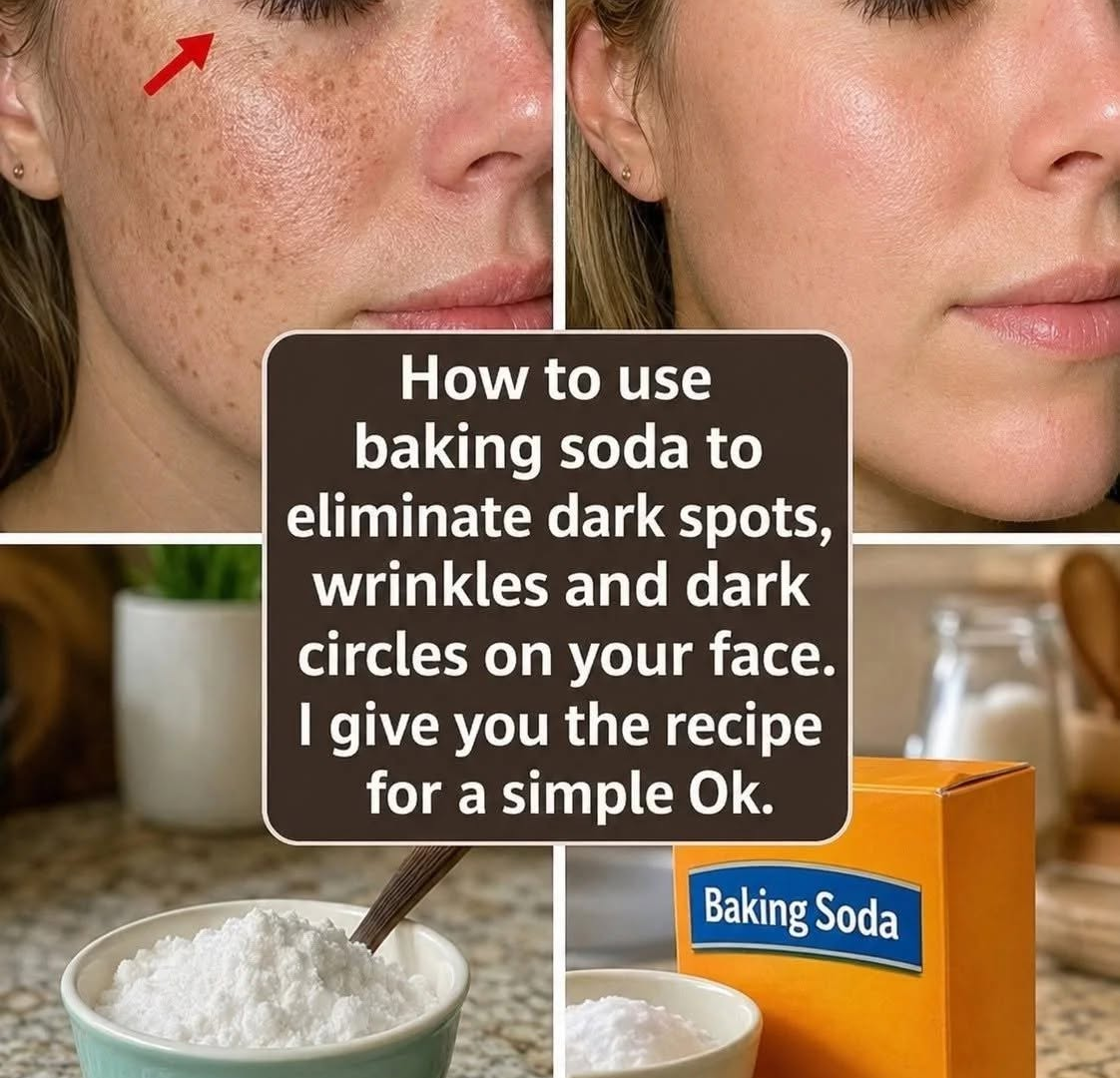
The viral claim that a pantry item is a “remedy” for wrinkles is misleading, but not entirely without merit. Certain natural ingredients possess mild exfoliating or moisturizing properties. For example, honey is a humectant that draws moisture into the skin, temporarily plumping the appearance of fine lines. Yogurt contains lactic acid, a mild alpha-hydroxy acid (AHA) that can gently exfoliate dead skin cells and promote a smoother surface texture. Egg whites have a temporary tightening effect as they dry on the skin, creating a sensation of firmness that vanishes after washing. However, these are temporary, cosmetic improvements at best. No pantry item—not honey, not lemon juice, not coconut oil—contains the molecular machinery to rebuild lost collagen or permanently erase deep lines. In fact, some kitchen remedies, like lemon juice, are highly acidic and can cause chemical burns or irritate the skin if applied directly.
The Importance of Professional Assessment
Before attempting any DIY treatment, it is crucial to understand the type of wrinkle you are dealing with. Not all lip lines are created equal, and a dermatologist can assess whether the lines are dynamic (caused by muscle movement), static (present at rest due to loss of collagen), or a combination of both. This distinction dictates the appropriate treatment. A pantry remedy may slightly improve skin hydration and surface texture, but it will not address the root cause of a deep marionette line or the muscle contractions that create smoker’s lines. Relying solely on home remedies can delay access to evidence-based treatments that offer more substantial and lasting results.