Here is a professional, publication-ready article for your Hungarian food collection.
How to Make Traditional Hungarian Goulash
1. Prepare the Beef
Cut the beef chuck into evenly sized pieces.
Pat the meat dry with paper towels. This helps it brown properly and prevents excess moisture from diluting the flavors.
2. Cook the Onions
Heat the lard or oil in a large heavy-bottomed pot over medium heat.
Add the chopped onions and cook slowly for approximately 8–10 minutes, stirring frequently, until soft and lightly golden.
The onions form an important foundation for the goulash, so give them enough time to soften properly.
3. Add the Paprika
Remove the pot from the heat for a moment.
Add the Hungarian paprika and stir it into the onions.
This is an important step because paprika can become bitter when exposed directly to very high heat.
4. Add the Beef
Return the pot to the heat and add the beef.
Stir thoroughly so that the meat becomes coated in the paprika and onion mixture.
Cook for several minutes, turning the beef occasionally.
5. Add the Seasonings and Liquid
Add the garlic, caraway seeds, salt, black pepper, tomatoes, bell pepper, and tomato paste if using.
Pour in the beef broth or water.
Add the bay leaf and bring the mixture to a gentle simmer.
Cover the pot and cook over low heat for approximately 60–90 minutes, or until the beef begins to become tender.
6. Add the Vegetables
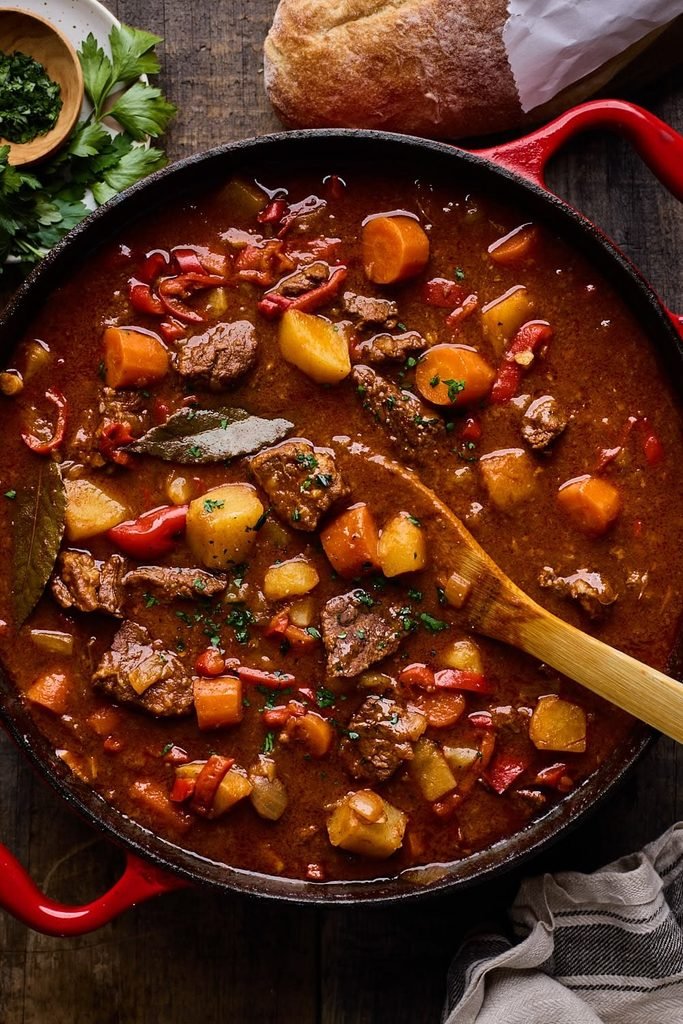
Once the beef has started to soften, add the potatoes, carrots, and parsnip.
Continue simmering for approximately 25–30 minutes, or until the vegetables are tender and the beef is completely cooked.
The soup should remain brothy rather than becoming excessively thick.
7. Prepare the Csipetke
If using the traditional dumplings, combine the egg, flour, and salt to form a firm dough.
Pinch off very small pieces of dough and drop them directly into the simmering soup during the final few minutes of cooking.
They will cook quickly and become tender.
8. Taste and Finish
Taste the goulash and adjust the salt and paprika according to your preference.
Remove the bay leaf before serving.
Garnish with fresh parsley if desired and serve hot.
The Importance of Hungarian Paprika
Paprika is one of the defining ingredients in Hungarian Goulash.
For a traditional flavor, use Hungarian sweet paprika rather than generic paprika whenever possible.
Hungarian paprika comes in different varieties, ranging from sweet and mild to hot and more intense. A combination of sweet paprika and a small amount of hot paprika can provide both depth and gentle heat.
The paprika should add warmth, color, and aroma rather than simply making the soup spicy.
What Cut of Beef Is Best?
Beef chuck is an excellent choice for traditional goulash because it contains connective tissue that becomes tender during slow cooking.
Other suitable cuts include:
Beef shoulder
Beef shin
Beef round
Stewing beef
Avoid very lean cuts that can become dry during extended cooking.
Goulash Soup vs. Goulash Stew
One of the most common sources of confusion is the difference between Hungarian Gulyás and dishes called “goulash” elsewhere.
Traditional Hungarian Gulyás is generally a soup with a substantial amount of flavorful broth.
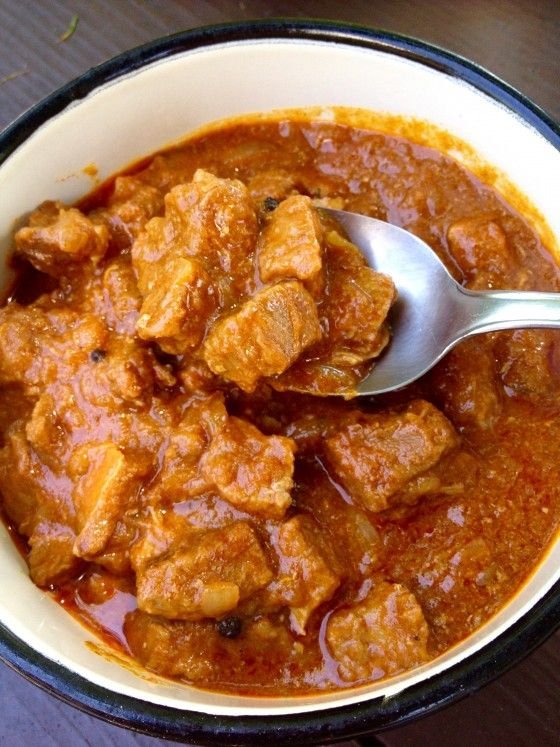
Hungarian Pörkölt, on the other hand, is a thicker meat dish prepared with onions and paprika and served with a much smaller amount of liquid.
Outside Hungary, the word “goulash” is often used for thick stews or even completely different dishes. Understanding this distinction helps explain why traditional Hungarian Gulyás may look different from the version someone has encountered elsewhere.
What to Serve With Hungarian Goulash
Gulyás is filling enough to serve as a complete meal, but several traditional accompaniments work beautifully with it.
Try serving it with:
Fresh crusty bread
Csipetke dumplings
Pickled peppers
Hungarian cucumber salad
Pickles
Fresh parsley
A spoonful of sour cream, if desired
A slice of rustic bread is particularly useful for enjoying the flavorful broth.
Tips for Authentic Hungarian Goulash
Don’t Rush the Onions
Slowly cooked onions create depth and natural sweetness.
Protect the Paprika
Do not let paprika burn in very hot oil. Removing the pot from the heat before adding it helps preserve its flavor.
Use Good Beef
A well-marbled stewing cut becomes tender and flavorful during slow cooking.
Keep the Soup Brothy
Traditional Gulyás should have enough liquid to resemble a hearty soup rather than a thick gravy.
Cook Slowly
Gentle simmering gives the beef time to become tender while allowing the paprika, onions, and vegetables to develop a deeper flavor.
Can Hungarian Goulash Be Made Ahead?
Absolutely.
Goulash can be prepared a day ahead and stored in the refrigerator. The flavors often become even more developed after resting.
When reheating, warm the soup gently over medium-low heat. If it has thickened slightly, add a little water or beef broth until the desired consistency is reached.
Goulash can also be frozen, although potatoes may change texture slightly after freezing and thawing.
Frequently Asked Questions
Is Hungarian Goulash spicy?
Not necessarily. Traditional goulash is usually aromatic and paprika-rich rather than extremely spicy. Hot paprika can be added if you prefer more heat.
What makes Hungarian Goulash different?
Traditional Hungarian Gulyás is generally a hearty soup made with beef, paprika, onions, and vegetables. It is usually more brothy than the thick goulash-style dishes commonly served outside Hungary.
Can I use chicken instead of beef?
Yes, although beef is traditional for classic Gulyás. Chicken will require a shorter cooking time and will produce a lighter soup.
Can I make goulash in a slow cooker?
Yes. A slow cooker can be used to cook the beef until tender, although the paprika and onion preparation is best done separately first for maximum flavor.
Do I have to add caraway seeds?
Caraway is traditional in many Hungarian goulash recipes and contributes a distinctive earthy aroma. If you do not enjoy its flavor, you can reduce the quantity or leave it out.
What is csipetke?
Csipetke are tiny Hungarian pinched dumplings made from a simple egg-and-flour dough. They are often added to soups such as Gulyás.
Why Hungarian Goulash Is Still So Popular
Hungarian Goulash represents the appeal of traditional home cooking: inexpensive, practical ingredients transformed through careful preparation into something deeply satisfying.
The combination of tender beef, sweet onions, fragrant paprika, potatoes, and vegetables creates a meal that is hearty without being complicated.
It also reflects an important part of Hungarian culinary history, connecting modern kitchens with the traditional outdoor cooking of Hungarian herdsmen.
Final Thoughts
Traditional Hungarian Goulash (Gulyás) is a comforting dish with a fascinating history and unmistakable Hungarian character.
The secret is not complicated. Start with good beef, take your time with the onions, use quality Hungarian paprika, and let everything simmer gently until the meat is tender and the vegetables are perfectly cooked.
Served steaming hot with rustic bread or traditional csipetke dumplings, this classic Hungarian soup makes a satisfying family meal and a wonderful way to experience the flavors of Hungary at home.
Add practical recipe detailsTighten repeated explanationsClarify the recipe timeline