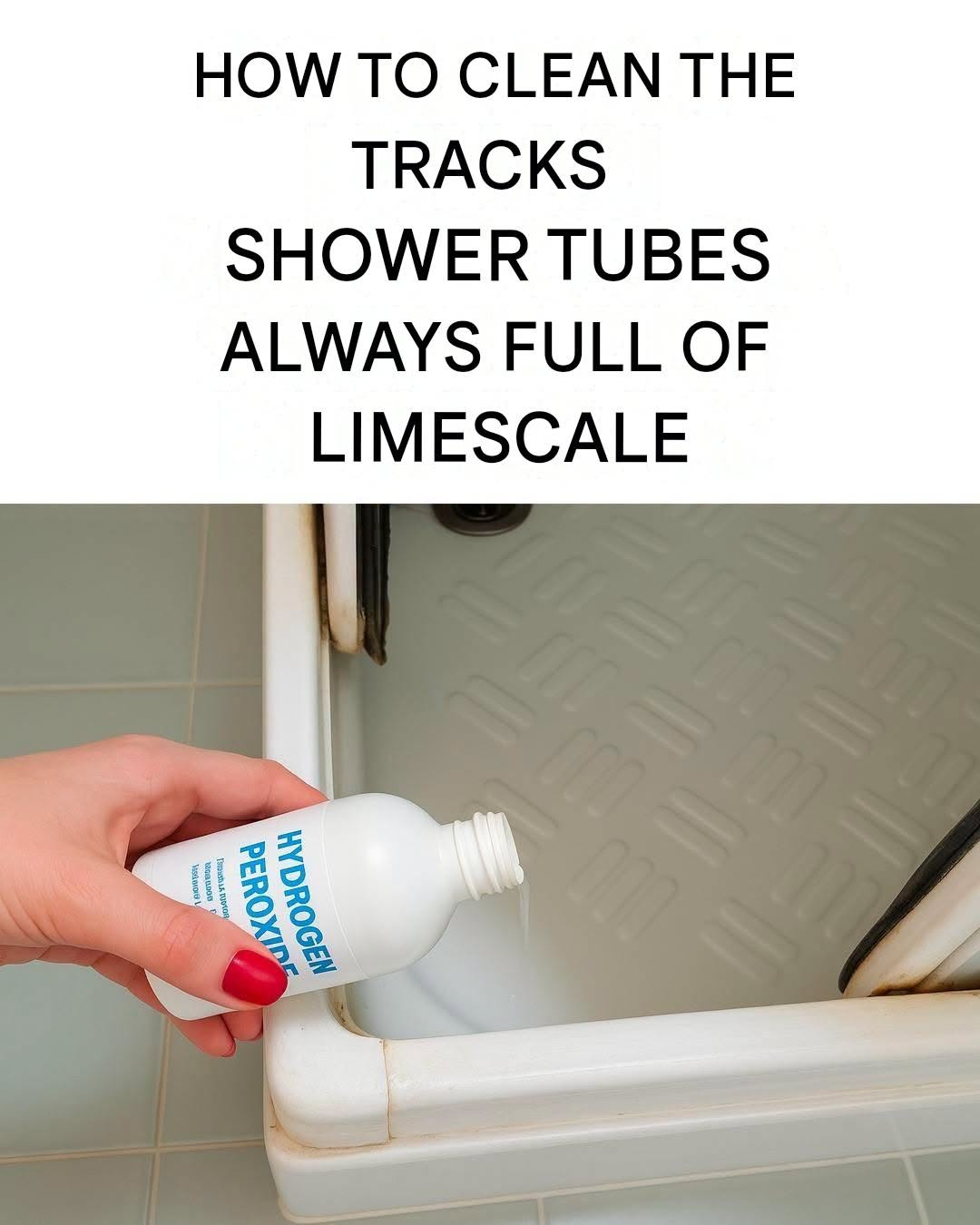
Hydrogen peroxide is an excellent disinfectant and can help loosen grime, but it is not as effective as an acid (like vinegar or lemon) for dissolving hard limescale. It is best used for killing mold and bacteria on surfaces after the scale has been removed .
What is the best way to clean a shower door track?
Remove loose debris first. Then, apply a paste of baking soda and vinegar, or lay vinegar-soaked paper towels in the track for 30 minutes. Scrub with an old toothbrush, clear the weep holes with a pipe cleaner, and rinse with hot water .
How do I stop my shower glass from getting cloudy?
The key is to remove water before it evaporates. Use a squeegee after every shower and dry the glass with a microfiber cloth. For existing cloudiness, use a vinegar and dish soap spray or a lemon and baking soda paste to dissolve the mineral deposits .
Is vinegar or bleach better for mold on silicone?
White vinegar is generally considered better for silicone because it penetrates the material to kill mold at its root, whereas bleach only kills mold on the surface and can damage the silicone over time . However, if the mold is severe and deep, replacement of the silicone may be necessary.
Can I mix vinegar and hydrogen peroxide to clean my shower?
No. Mixing vinegar and hydrogen peroxide creates peracetic acid, which can be corrosive and irritating. Use them separately, rinsing the surface thoroughly between applications .
How often should I clean my shower?
A quick squeegee and dry-down should happen daily. A light cleaning with vinegar spray once a week is recommended, with a deeper clean of the tracks and sealant every month or as needed .
What causes the black spots on my shower sealant?
The black spots are mold. It grows in the damp, warm environment of the shower, feeding on soap residue and body oils. It often starts in the silicone sealant because moisture can penetrate small cracks or the porous surface of the material .
Can I use a metal scraper on my shower track?
No. Metal scrapers can scratch the finish of aluminum or coated tracks, which can lead to corrosion and make the surface more prone to future buildup. Use a plastic scraper, an old credit card, or a stiff brush instead .