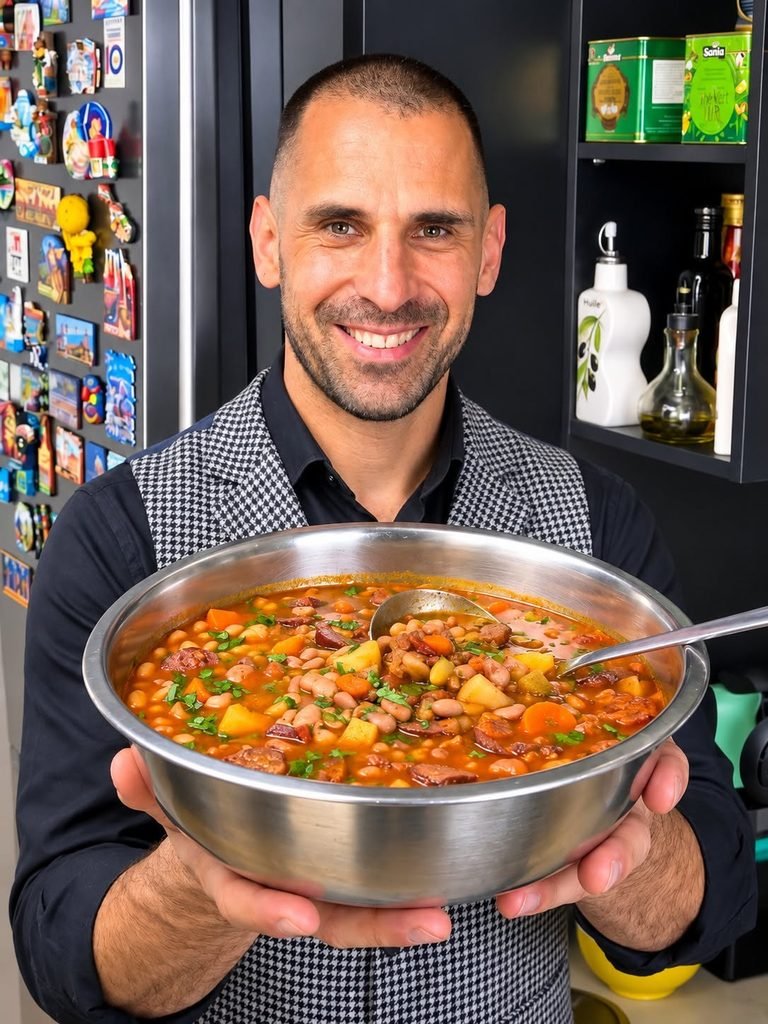
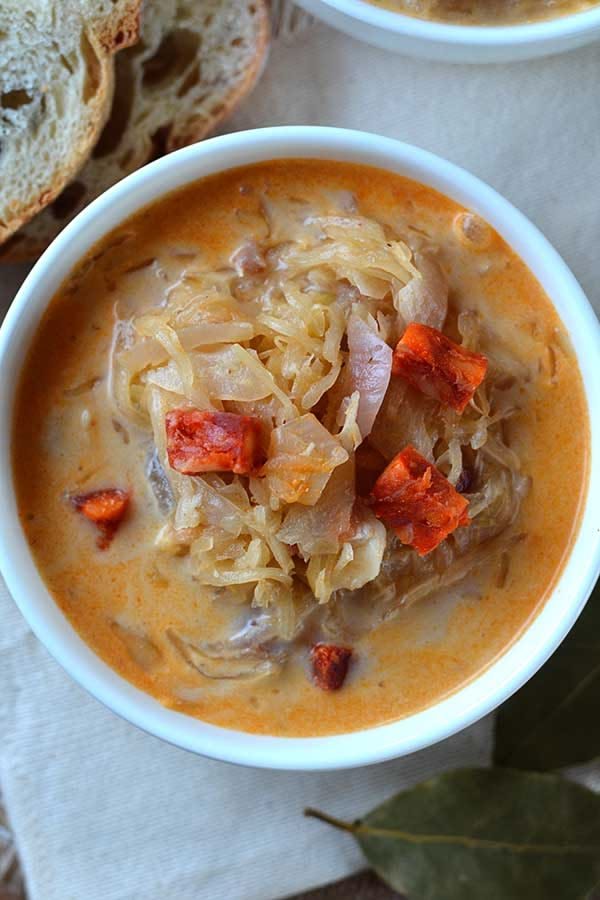
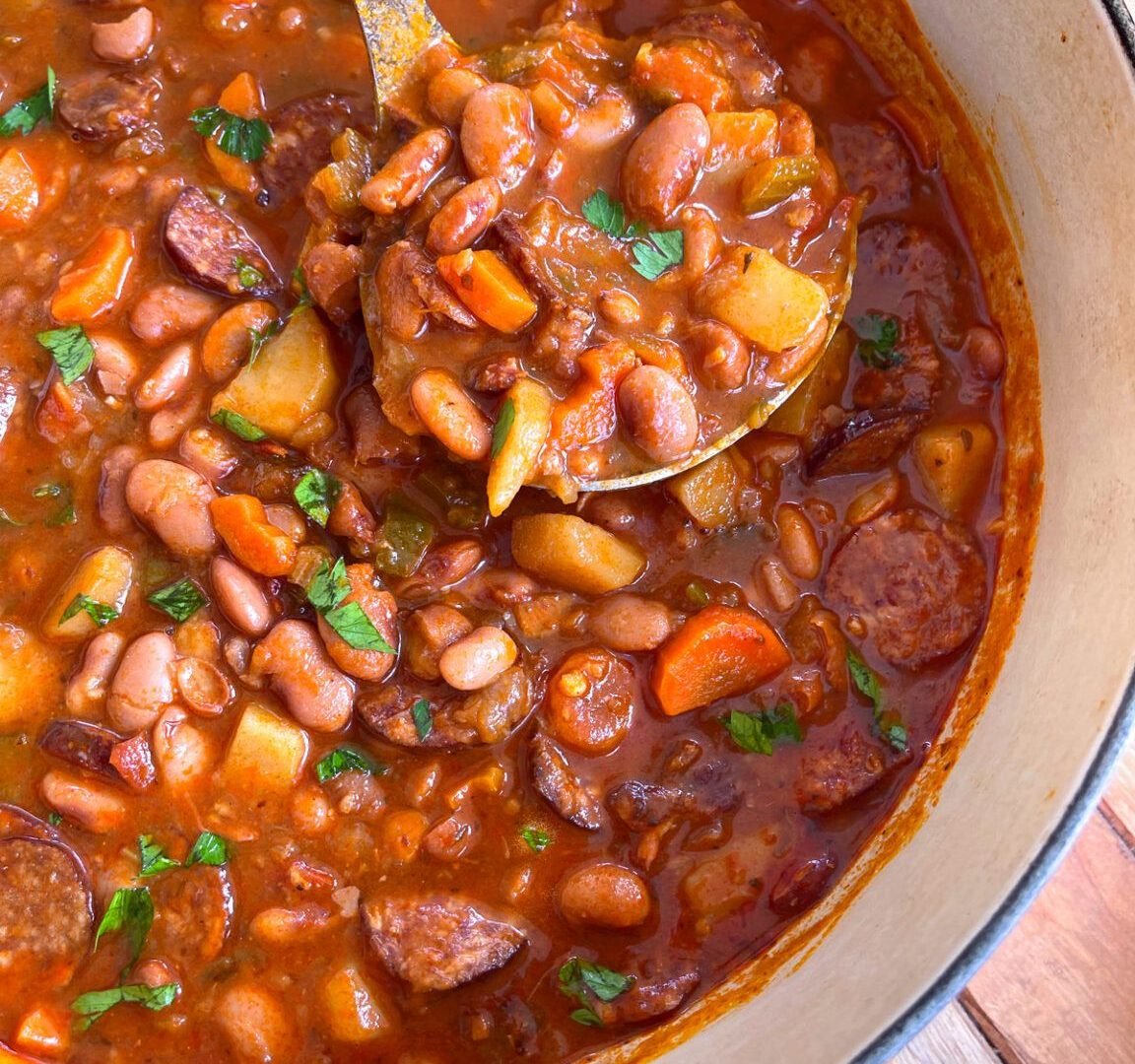
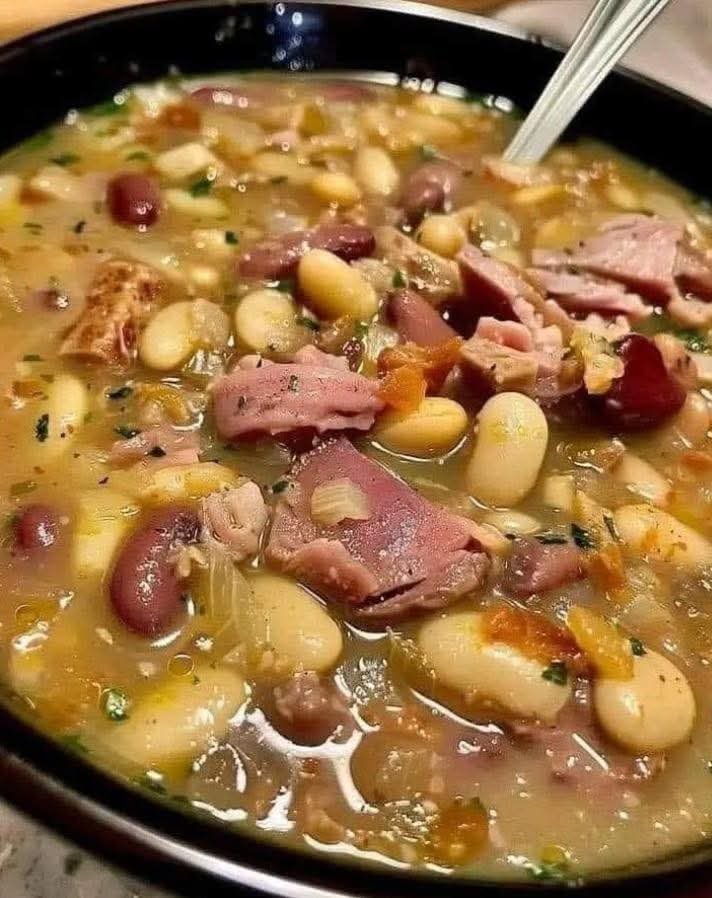
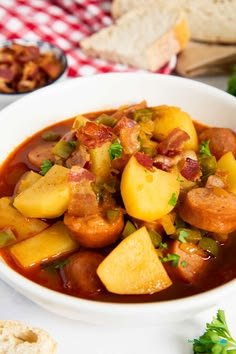
Babgulyás is a slow-cooked dish, but the preparation is straightforward.
1. Soak the Beans
If using dried beans, rinse them and soak them in plenty of water, preferably overnight.
Soaking helps reduce cooking time and allows the beans to cook more evenly.
Drain and rinse them before using.
2. Prepare the Beef
Cut the beef into bite-sized cubes.
Heat a little oil or traditional cooking fat in a large heavy pot and brown the beef in batches if necessary.
Browning adds additional savory depth to the finished soup.
3. Cook the Onions
Add finely chopped onions to the pot and cook until softened.
The onions provide an important base for the paprika and other seasonings.
4. Add the Paprika
Lower the heat before adding Hungarian paprika.
Stir it into the onions and meat, taking care not to scorch it.
A small amount of water can be added immediately afterward to protect the paprika from excessive heat.
5. Add the Beans and Liquid
Add the soaked beans and enough water or stock to create a generous amount of broth.
Add garlic and seasonings such as black pepper and, depending on the recipe, caraway seeds.
Bring the mixture to a gentle simmer.
6. Add the Vegetables
Once the beans and meat have started cooking, add the carrots, parsley root, celery, and other vegetables.
Potatoes are often added later so they remain intact rather than becoming overly soft.
7. Simmer Slowly
Cover the pot partially and allow everything to simmer gently.
The exact cooking time depends on the beans and the cut of beef, but a traditional version may require two hours or more.
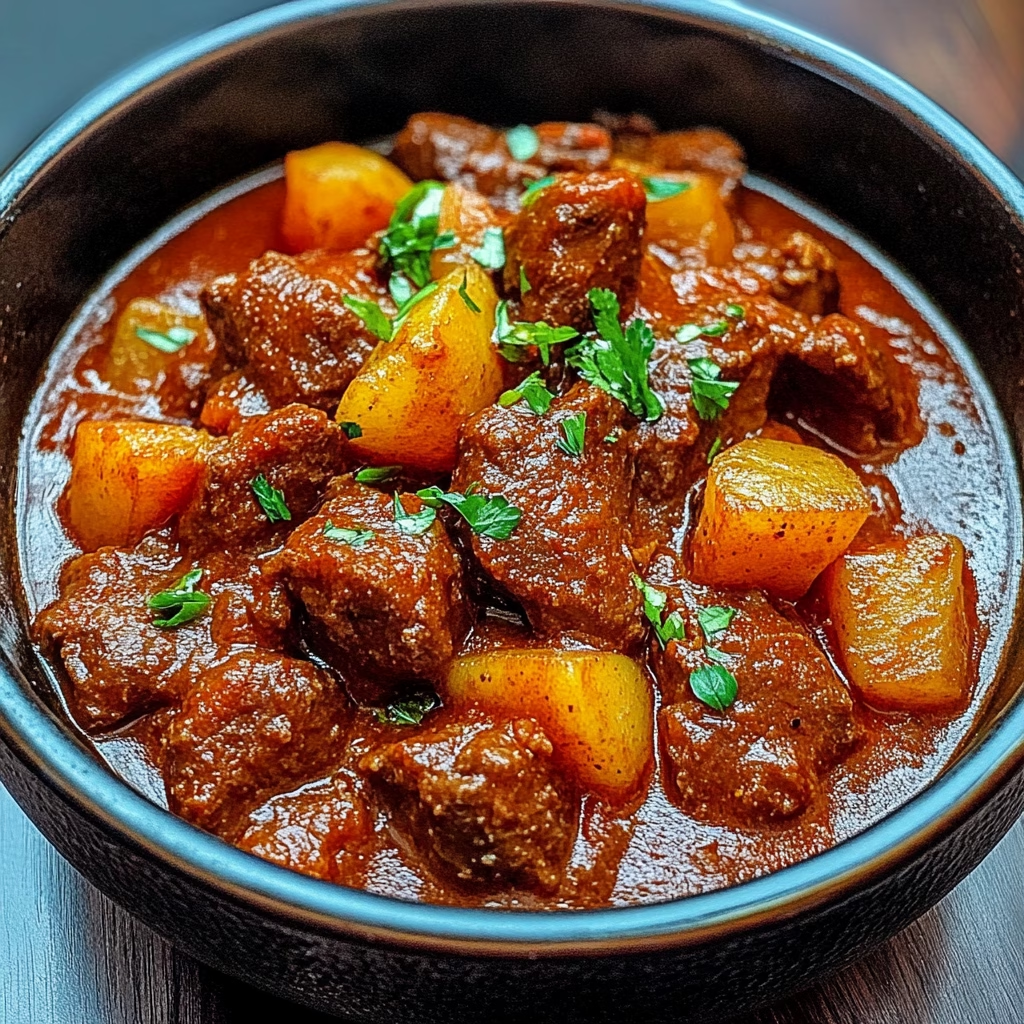
The goal is tender beef, soft beans, and vegetables that retain their shape while contributing flavor to the broth.
What Does Babgulyás Taste Like?
Babgulyás has a rich but comforting flavor.
The beans provide a creamy, earthy quality, while the beef adds savory depth. Paprika contributes warmth and sweetness, while root vegetables bring subtle sweetness and freshness.
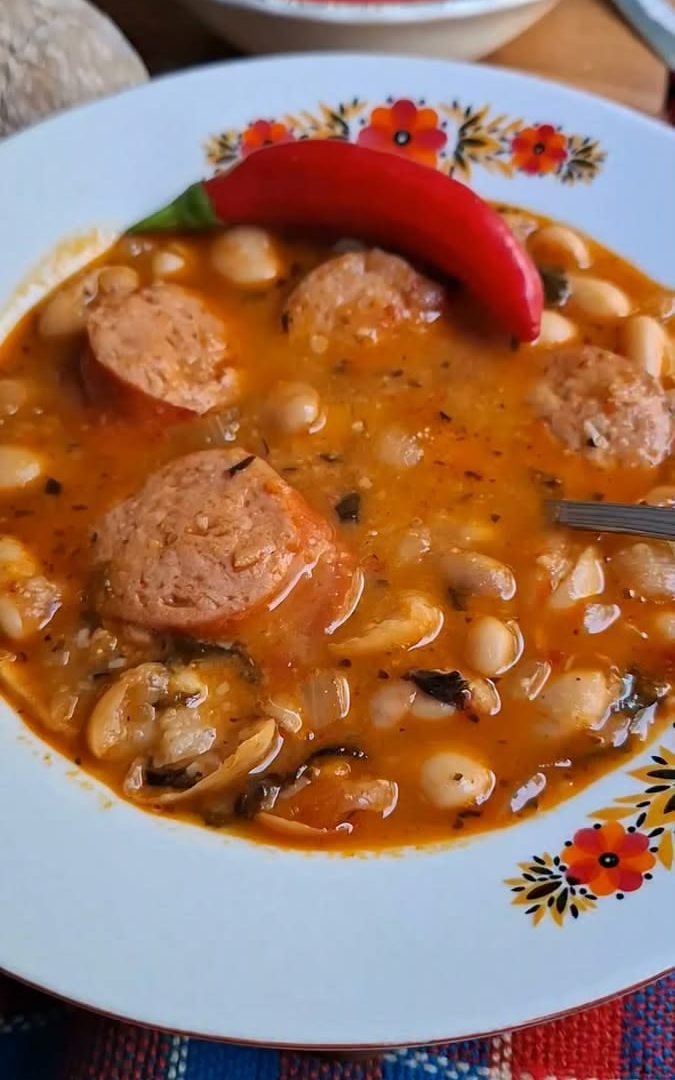
If smoked meat or sausage is included, the soup develops an additional smoky and salty character.
The broth should be flavorful and substantial without necessarily being extremely thick.
A properly cooked Babgulyás tastes rustic, hearty, and deeply satisfying.
Babgulyás vs. Traditional Goulash
Although both dishes contain the word gulyás, they are not identical.
Traditional Hungarian gulyásleves, or goulash soup, commonly features beef, paprika, potatoes, carrots, and other vegetables in a rich broth.
Babgulyás adds beans as a central ingredient.
Meanwhile, pörkölt is generally thicker and contains much less liquid.
The differences can become blurred in everyday cooking because Hungarian families have developed their own variations, but the cooking style and texture help distinguish the dishes.
Serving Hungarian Bean Goulash
Babgulyás is substantial enough to serve as a complete meal.
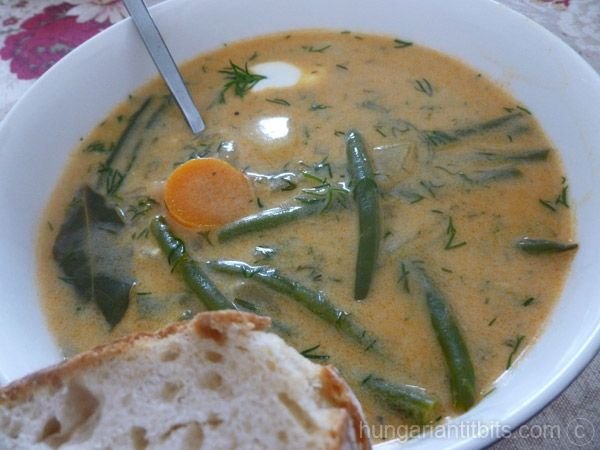
Fresh bread is one of the simplest and most traditional accompaniments. Crusty bread is especially useful for enjoying every last spoonful of the flavorful broth.
Some people also enjoy the soup with:
Sour cream
Fresh parsley
Hot paprika
Pickled vegetables
Hungarian-style peppers
Fresh bread
For an especially hearty meal, small Hungarian dumplings known as csipetke may be added to the soup.
The Role of Csipetke
Csipetke are small pieces of hand-pinched egg dough traditionally used in several Hungarian soups and stews.
The dough is made from simple ingredients such as flour and egg, then pinched into small pieces and cooked directly in the soup.
When added to Babgulyás, csipetke make an already hearty dish even more filling.
Their small size also allows them to absorb some of the flavorful broth.
Helpful Cooking Tips
Soak dried beans properly. This helps them cook more evenly.
Choose a good stewing cut of beef. Tougher cuts often become exceptionally tender after slow cooking.
Do not burn the paprika. Add it over moderate or low heat.
Don’t rush the simmering process. Slow cooking allows the meat, beans, and vegetables to develop deeper flavor.
Add potatoes later. This helps prevent them from becoming mushy.
Taste before adding salt. Smoked meat and sausage can already contain significant amounts of salt.
Let the soup rest. A short resting period can allow the flavors to blend further.
Traditional Variations
There is no single universal Babgulyás recipe.
Some families prepare it with beef and beans as the main ingredients, while others add smoked pork, sausage, or bacon.
Some versions contain tomatoes and peppers, while others emphasize paprika, garlic, and root vegetables.
Vegetarian Babgulyás is also possible. Omitting the meat and using a flavorful vegetable broth creates a satisfying bean-and-vegetable soup while retaining the paprika-based Hungarian character.
The consistency can also vary. Some cooks prefer a soupier version, while others allow more beans and potatoes to break down and create a thicker, stew-like texture.
A Dish for Cold Days and Family Tables
Babgulyás is the kind of food that naturally belongs in a large pot.
It is economical, filling, and easy to prepare in generous quantities, making it particularly suitable for family meals and gatherings.
Its long cooking time also makes it ideal for weekends when there is time to allow the ingredients to slowly develop their flavors.
Like many traditional Hungarian dishes, it demonstrates how inexpensive ingredients can become something deeply satisfying through careful cooking.
Why Babgulyás Remains Popular
The enduring appeal of Babgulyás comes from its combination of simplicity and depth.
Beans provide substance, vegetables add freshness and sweetness, beef contributes richness, and paprika gives the dish its unmistakable Hungarian identity.
It is also highly adaptable. A cook can adjust the meat, beans, vegetables, spices, and level of heat while still maintaining the essential character of the dish.
That flexibility is one reason traditional recipes survive from one generation to another.
Final Thoughts
Hungarian Bean Goulash, or Babgulyás, is a hearty expression of Hungary’s love for paprika-rich, slow-cooked comfort food.
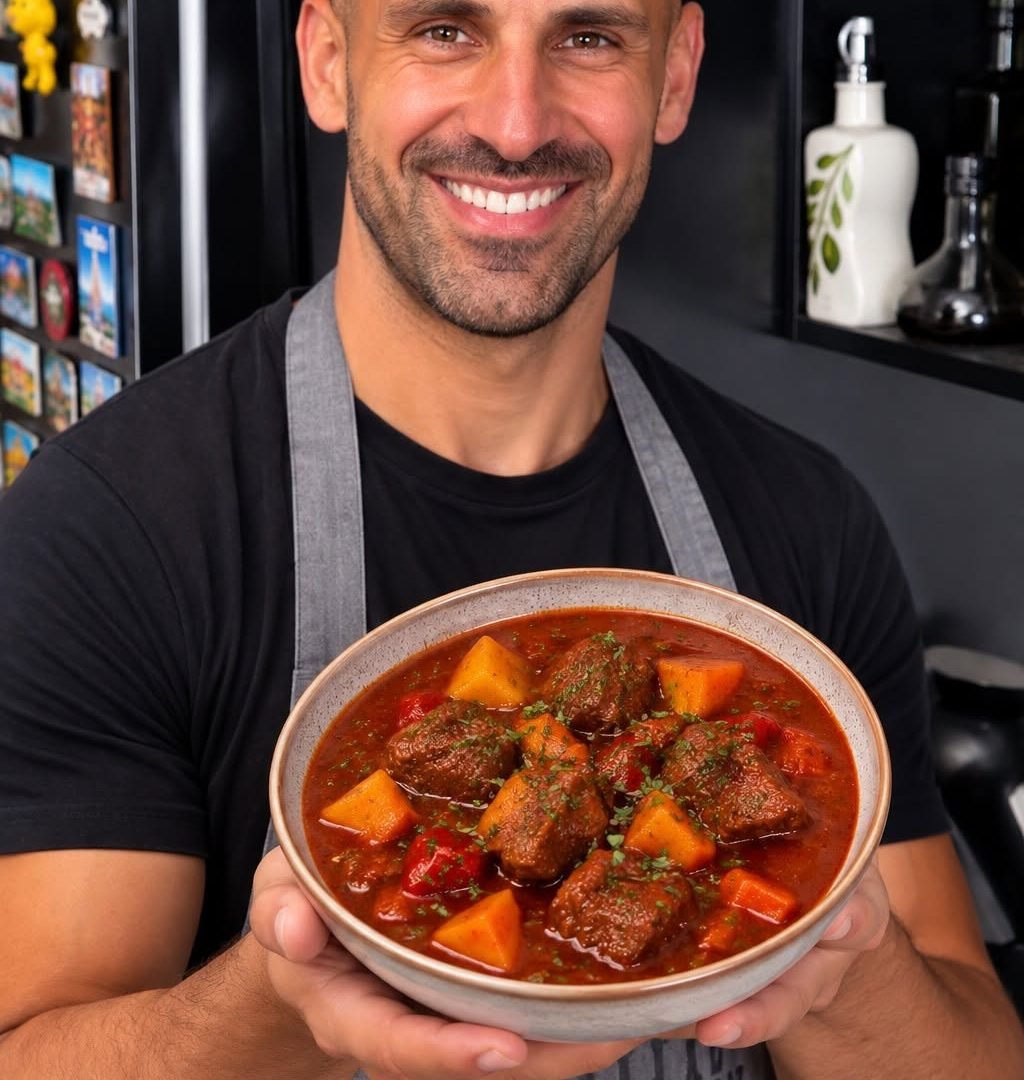
With tender beans, flavorful beef, root vegetables, potatoes, and aromatic Hungarian paprika, it creates a complete and satisfying meal in a single pot.
Whether prepared with smoked sausage, beef, csipetke, or simply beans and vegetables, Babgulyás offers the warmth and generosity associated with traditional Hungarian home cooking.
Served with fresh bread and perhaps a spoonful of sour cream, it is a rustic Hungarian classic that is just as enjoyable today as it has been in family kitchens for generations.