Remove the outer leaves from the cabbage and cut it into quarters.
Remove the core and finely shred the cabbage.
Sprinkle the shredded cabbage with about 1 teaspoon of salt and let it stand for 10–15 minutes. Gently squeeze out some of the excess moisture.
2. Cook the Onion
Heat the oil or lard in a large skillet over medium heat.
Add the chopped onion and cook for 5–7 minutes, until soft and lightly golden.
3. Cook the Cabbage
Add the shredded cabbage to the skillet.
Cook slowly, stirring regularly, for approximately 20–30 minutes, until the cabbage becomes tender and develops a lightly golden color.
For a slightly sweeter traditional-style flavor, add a small pinch of sugar while the cabbage cooks.
Season with black pepper and, if desired, a little sweet Hungarian paprika.
4. Cook the Noodles
Meanwhile, bring a large pot of salted water to a boil.
Cook the egg noodles according to the package directions until tender but still slightly firm.
Drain well, reserving a small amount of the pasta water.
5. Combine
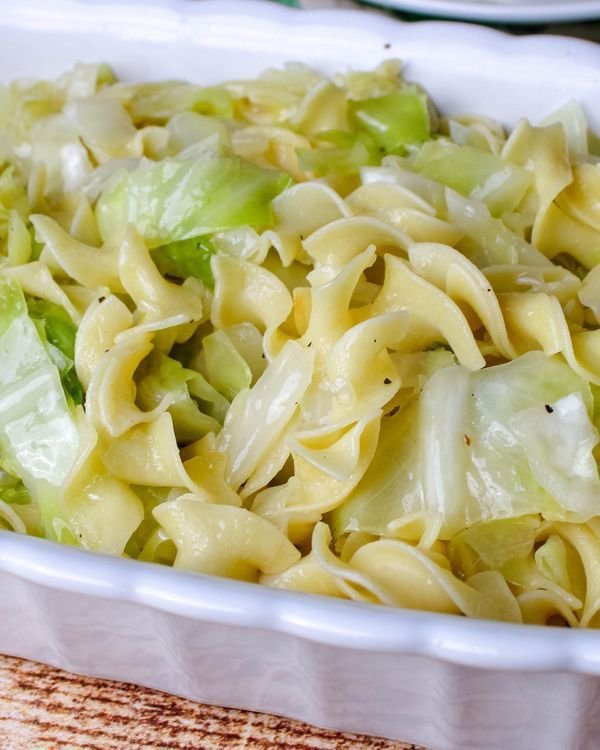
Add the cooked noodles to the skillet with the cabbage.
Toss everything together gently until the noodles are evenly coated with the cabbage mixture.
If the dish seems dry, add a tablespoon or two of reserved pasta water.
For extra richness, stir in a little butter just before serving.
How to Serve Hungarian Cabbage Noodles
Káposztás Tészta is delicious served simply with freshly ground black pepper.
It can also be accompanied by:
Hungarian pickles
Cucumber salad
Sour cream
Roasted pork
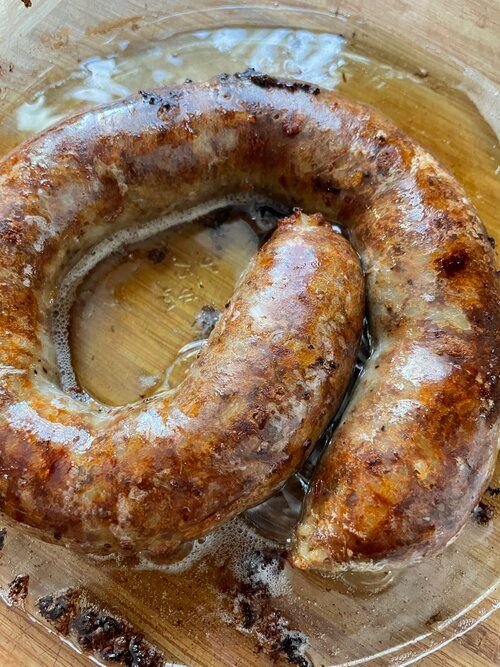
Grilled sausage
Fresh crusty bread
Some people enjoy it with an extra sprinkle of black pepper for a more pronounced savory flavor.
Tips for the Best Káposztás Tészta
Cook the cabbage slowly. Allowing the cabbage enough time to soften and lightly caramelize gives the dish much more flavor.
Don’t overcrowd the skillet. A wide pan helps the cabbage cook evenly and develop some golden color.
Use wide egg noodles. They hold the cabbage mixture particularly well and provide the traditional rustic texture.
Season gradually. Cabbage naturally becomes sweeter as it cooks, so taste the dish before adding additional salt or sugar.
A Classic Hungarian Comfort Food
Káposztás Tészta is a wonderful example of the resourceful nature of Hungarian cooking. A few inexpensive ingredients are transformed into a satisfying family meal through slow cooking and simple seasoning.
Different families prepare it in slightly different ways. Some prefer their cabbage deeply caramelized and peppery, while others keep it lighter and more delicate.
Frequently Asked Questions
Can I use another type of pasta?
Yes. Wide egg noodles are traditional, but other short or wide pasta shapes can work well.
Can I make this dish vegetarian?
Absolutely. Use vegetable oil or butter instead of lard for a completely vegetarian version.
Can I add meat?
Yes. Although the traditional dish is simple, cooked bacon, sausage, or roasted pork can be added for a heartier meal.
Can I prepare it ahead of time?
Yes. Store the cooked cabbage and noodles in an airtight container in the refrigerator and reheat gently in a skillet.
Final Thoughts
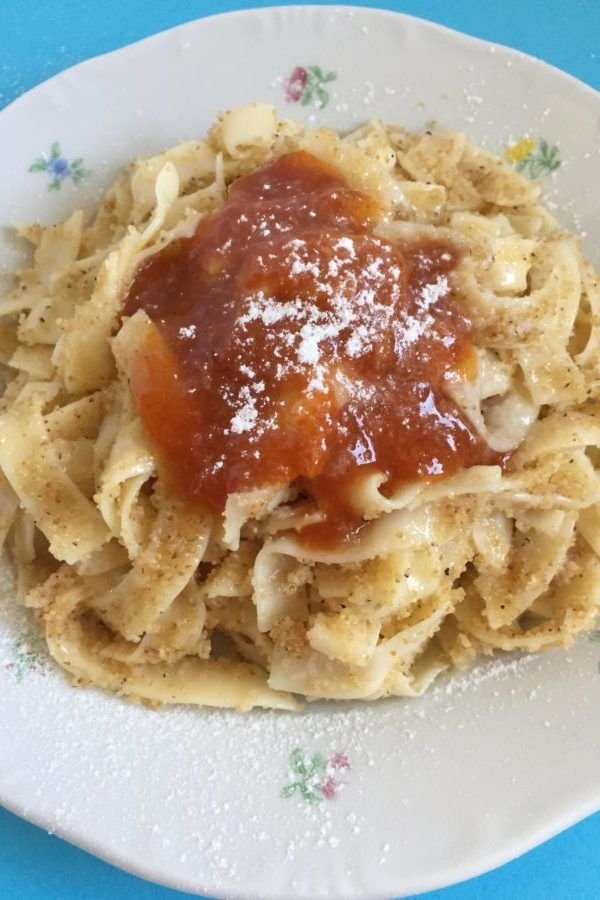
Hungarian Cabbage Noodles (Káposztás Tészta) may be simple, but its combination of tender cabbage, soft egg noodles, caramelized onion, and black pepper creates a deeply comforting meal.
It’s an easy recipe to prepare with everyday ingredients and a wonderful way to experience the rustic, homestyle character of traditional Hungarian cuisine.