Making Dobostorta requires patience and precision.
1. Prepare the Sponge Batter
Eggs and sugar are whipped until light and airy before flour is gently incorporated.
The goal is to preserve as much air as possible, creating a thin sponge with a delicate texture.
2. Bake the Layers
Instead of baking one tall cake, the batter is spread into several thin layers.
Each layer is baked until lightly golden and cooked through.
Uniformity is important because the finished cake should have an even appearance when sliced.
3. Make the Chocolate Buttercream
The buttercream is prepared separately and allowed to reach a spreadable consistency.
It should be smooth and creamy rather than overly stiff.
The chocolate flavor should complement the sponge without becoming excessively sweet.
4. Assemble the Cake
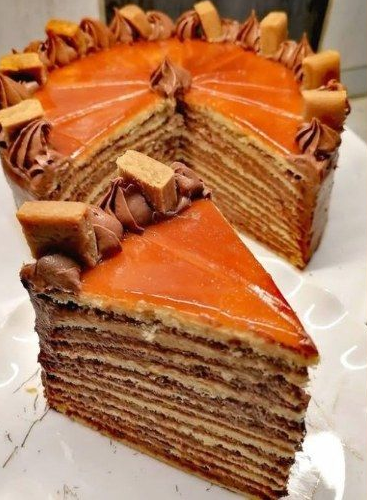
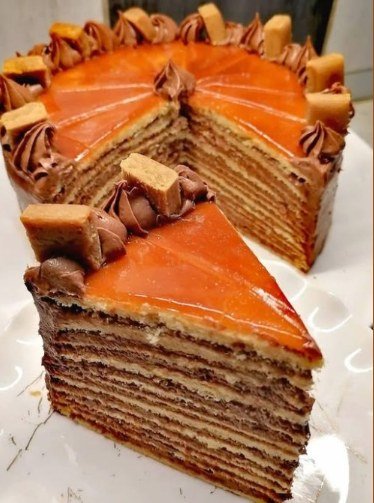
The sponge layers are stacked one at a time, with a thin, even layer of chocolate buttercream between each.
The sides of the cake are also covered with buttercream, creating a smooth finish.
5. Prepare the Caramel Layer
Sugar is heated until it melts and develops a rich golden-amber color.
The caramel must be handled carefully because it becomes extremely hot.
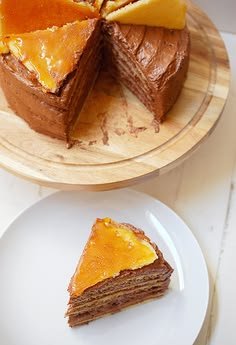
One reserved sponge layer is covered with the caramel, then quickly scored and cut into wedges before the caramel hardens completely.
6. Finish the Cake
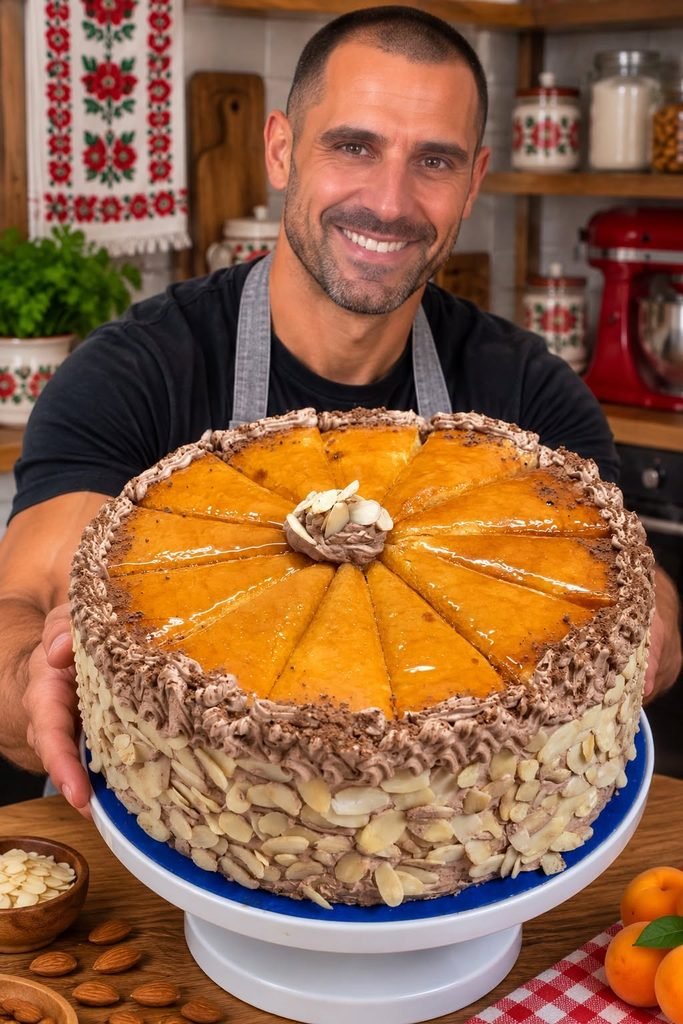
The caramel wedges are arranged on top of the cake.
Traditionally, the pieces may be positioned at a slight angle, giving Dobostorta its distinctive crown-like appearance.
What Does Dobostorta Taste Like?
Dobostorta offers several contrasting textures and flavors.
The sponge is light and delicate, while the chocolate buttercream is creamy, rich, and deeply chocolaty.
The caramel topping adds a crisp texture and a toasted sweetness that balances the softness of the cake.
A well-made Dobostorta should not taste like an overly sweet modern chocolate cake. Instead, it should offer a carefully balanced combination of buttery richness, cocoa, vanilla-like sweetness, and caramelized sugar.
Why the Caramel Top Matters
The caramel is more than decoration.
It provides one of the defining characteristics of Dobostorta: texture.
As the cake is sliced, the crisp caramel layer cracks gently against the soft sponge and creamy buttercream.
The contrast between crunchy, creamy, and tender textures is one of the reasons the cake remains so memorable.
The caramel also gives the cake its characteristic golden appearance.
Tips for Making Dobostorta at Home
Bake evenly sized layers. Consistent thickness makes assembly much easier.
Do not overbake the sponge. Thin layers can dry out quickly.
Spread the buttercream evenly. Uneven filling can make the finished cake lean.
Take care with caramel. Melted sugar reaches extremely high temperatures and can cause serious burns.
Work quickly with the caramel. It hardens rapidly once removed from the heat.
Use a sharp knife. A clean knife helps create attractive slices without crushing the delicate layers.
Allow the cake to rest. A period of chilling helps the buttercream set and makes slicing easier.
Dobostorta and Hungarian Pastry Culture
Hungarian pastry traditions are known for technically demanding cakes and refined desserts.
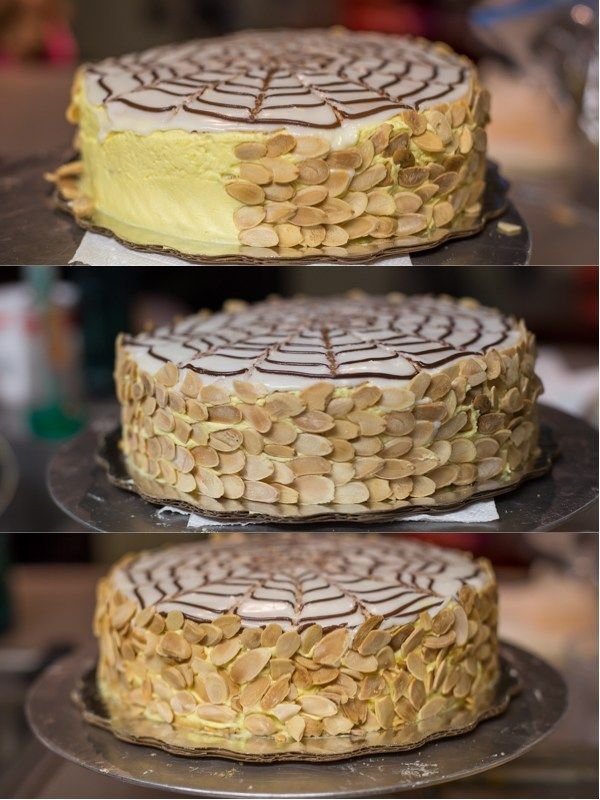
Dobostorta belongs to this tradition alongside other famous Hungarian creations such as Esterházy torta, Rigó Jancsi, and Somlói galuska.
What distinguishes Dobostorta is its architectural simplicity. Rather than relying on elaborate decoration, the cake showcases precision: thin layers, smooth buttercream, and a carefully prepared caramel crown.
It is a dessert where technique is part of the presentation.
Dobostorta for Celebrations
Because of its elegant appearance, Dobostorta is particularly suited to birthdays, holidays, celebrations, and formal gatherings.
It can be served in relatively small slices because the buttercream and caramel make it quite rich.
A cup of coffee or unsweetened tea provides a pleasant contrast to the cake’s sweetness.
The cake also makes a striking centerpiece when the caramel wedges are arranged carefully on top.
Traditional and Modern Variations
Modern pastry chefs sometimes adapt Dobostorta by experimenting with different chocolates, buttercream flavors, nuts, or decorative techniques.
Some contemporary versions use darker chocolate for a more intense flavor, while others adjust the caramel thickness or sponge-to-cream ratio.
However, the classic identity of the dessert remains centered on its three defining components:
thin sponge + chocolate buttercream + caramel.
Removing those elements entirely creates a different cake rather than a traditional Dobostorta.
Final Thoughts
Hungarian Dobos Torte, or Dobostorta, is a masterpiece of classic European pastry.
Its thin sponge layers, silky chocolate buttercream, and signature caramel topping create a dessert that is elegant, rich, and immediately recognizable.
More than a beautiful cake, Dobostorta represents the precision and craftsmanship of Hungarian pastry making. Its distinctive caramel crown and carefully balanced layers have helped it remain a celebrated Hungarian dessert for generations.
Whether enjoyed in a traditional Hungarian café or prepared for a special occasion at home, a slice of Dobostorta offers a delicious combination of history, technique, texture, and unmistakable Hungarian character.