Hungarian Pogácsa Cheese Biscuits: A Traditional Savory Favorite
1. Prepare the Dough
Combine the flour, salt, and the chosen leavening agent. Add softened butter and work it into the flour until the mixture becomes crumbly.
Add sour cream and eggs, then knead until a soft, smooth dough forms.
The dough should be tender without being excessively sticky.
2. Add the Cheese
Fold grated cheese into the dough, distributing it evenly.
For a stronger cheese flavor, use a mature cheese with a pronounced savory character. A milder cheese creates a softer and more delicate flavor.
3. Rest the Dough
Cover the dough and allow it to rest according to the recipe.
If using a yeast-based version, give the dough enough time to rise. For laminated or layered Pogácsa, chilling and folding the dough several times can help create the characteristic layers.
4. Shape the Pogácsa
Roll the dough out on a lightly floured surface.
Traditionally, Pogácsa is relatively thick. Use a round cutter to create small individual pastries.
Place them on a lined baking tray with a little space between each piece.
5. Score and Top
Before baking, lightly score the surface of each Pogácsa with a knife.
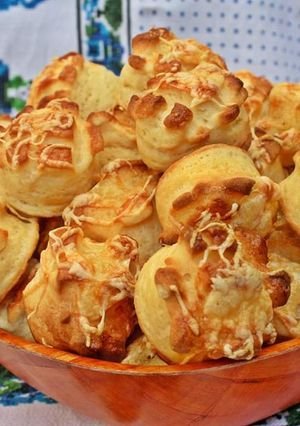
Brush the tops with beaten egg and sprinkle generously with grated cheese.
This creates the characteristic golden color and deliciously crisp cheese topping.
6. Bake Until Golden
Bake in a preheated oven until the Pogácsa are puffed and beautifully golden.
The exact baking time depends on their size and the specific dough, so watch the pastries carefully toward the end of baking.
Allow them to cool slightly before serving.
Tips for Perfect Pogácsa
Use Cold or Softened Butter as Directed
The butter technique depends on the recipe. Some versions benefit from chilled butter for flakiness, while others use softened butter for a softer dough.
Don’t Overwork the Dough
Overworking can make the finished pastries tough. Knead only until the dough becomes smooth and cohesive.
Choose Good Cheese
The cheese is one of the main flavors, so quality matters. Freshly grated cheese generally melts and browns better than pre-shredded varieties.
Keep the Dough Thick
Pogácsa should not be rolled paper-thin. Maintaining sufficient thickness helps produce the characteristic soft, tender interior.
Bake in a Fully Preheated Oven
A properly heated oven helps the pastries rise and develop a beautiful golden crust.
Popular Pogácsa Variations
One of the fascinating aspects of Hungarian Pogácsa is the number of variations found across Hungarian kitchens.
Cheese Pogácsa
The classic version features grated cheese both inside the dough and on top.
Potato Pogácsa
Mashed potatoes are incorporated into the dough, producing an especially soft and tender texture.
Crackling Pogácsa
Known as tepertős pogácsa, this traditional variation incorporates finely chopped pork cracklings and has a rich, savory flavor.
Sour Cream Pogácsa
Sour cream contributes moisture and tenderness, creating a soft pastry with a delicate tang.
Herb Pogácsa
Fresh or dried herbs can be incorporated into the dough for additional aroma and flavor.
How to Serve Hungarian Pogácsa
Pogácsa is best served slightly warm or at room temperature.
It makes an excellent snack alongside:
Coffee
Black tea
Soup
Cheese and cold cuts
Fresh vegetables
Hungarian-style spreads
Drinks at family gatherings
Because the pastries are small and easy to eat by hand, they are particularly convenient for parties and buffet-style meals.
How to Store Pogácsa
Freshly baked Pogácsa is best enjoyed within a day or two.
Store cooled pastries in an airtight container at room temperature. To refresh them, warm them briefly in the oven before serving.
Pogácsa can also be frozen. Allow the baked pastries to cool completely, freeze them in an airtight container, and reheat them gently when needed.
Why Hungarian Pogácsa Is So Special
The appeal of Pogácsa lies in its simplicity.
There is no need for elaborate decoration or complicated ingredients. A good dough, quality butter, flavorful cheese, and careful baking are enough to create something memorable.
Its small size also makes it incredibly versatile. Pogácsa can be served as a snack, appetizer, party food, breakfast pastry, or accompaniment to a comforting bowl of soup.
Most importantly, it represents an important part of Hungarian culinary tradition: simple homemade food designed to be shared.
Final Thoughts
Hungarian Pogácsa Cheese Biscuits are a delicious example of traditional Central European baking. With their golden cheese crust, tender interior, and rich savory flavor, they are equally at home on a holiday table or alongside an everyday cup of coffee.
Whether you choose a classic cheese version or experiment with potatoes, herbs, sour cream, or other traditional ingredients, Pogácsa offers a wonderful way to experience the warmth and character of Hungarian home cooking.
Once you make them, don’t be surprised if the first batch disappears faster than expected.