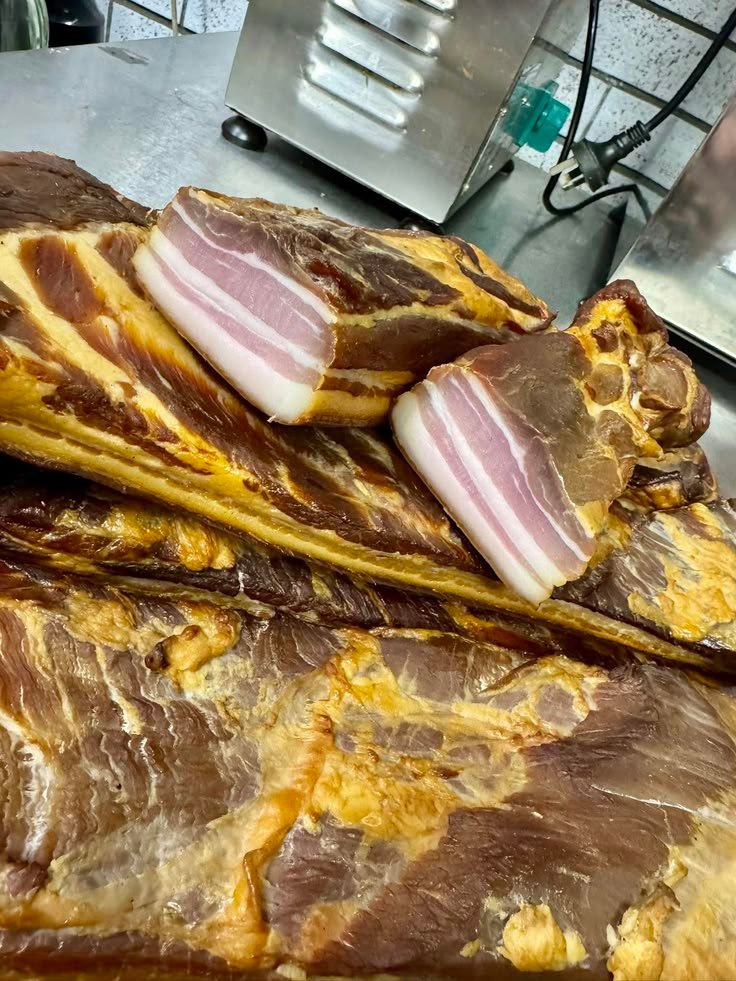
Hungarian Smoked Bacon (Füstölt Szalonna) – Traditional Cured Pork Belly
👨🍳 How to Prepare Hungarian Szalonna
1. Prepare the Pork
Trim the pork belly neatly, leaving a good balance of meat and fat.
Pat the surface completely dry with paper towels.
2. Season Generously
Mix the salt with paprika, black pepper, garlic, bay leaf, and optional caraway seeds.
Rub the seasoning thoroughly over every surface of the pork.
Make sure the thickest areas receive adequate seasoning.
3. Cure the Pork
Place the seasoned pork in a food-safe container or curing bag.
Refrigerate while curing, turning the pork regularly so the seasoning is distributed evenly.
For a traditional whole pork belly, curing can take several days to a couple of weeks, depending on thickness and the specific curing method.
For food safety, use a tested curing recipe with the appropriate salt and curing-salt quantities rather than relying on salt by taste alone.
4. Dry the Pork
After curing, remove the pork and wipe away excess seasoning.
Allow it to dry uncovered under refrigerated conditions until the surface becomes dry and slightly tacky.
This helps the smoke adhere more evenly.
5. Smoke Slowly
Cold- or warm-smoking methods vary by traditional recipe.
Use a reliable food-smoking process and carefully control temperature and time. The goal is to develop a deep smoky flavor without cooking the bacon too aggressively.
Beech wood is particularly associated with Central European smoking traditions.
6. Rest Before Serving
Once smoking is complete, allow the szalonna to rest and cool.
Wrap it appropriately and refrigerate it.
The flavor becomes more balanced after resting.
🔪 How Hungarians Enjoy Szalonna
Szalonna can be enjoyed in several traditional ways.
🥖 With Fresh Bread
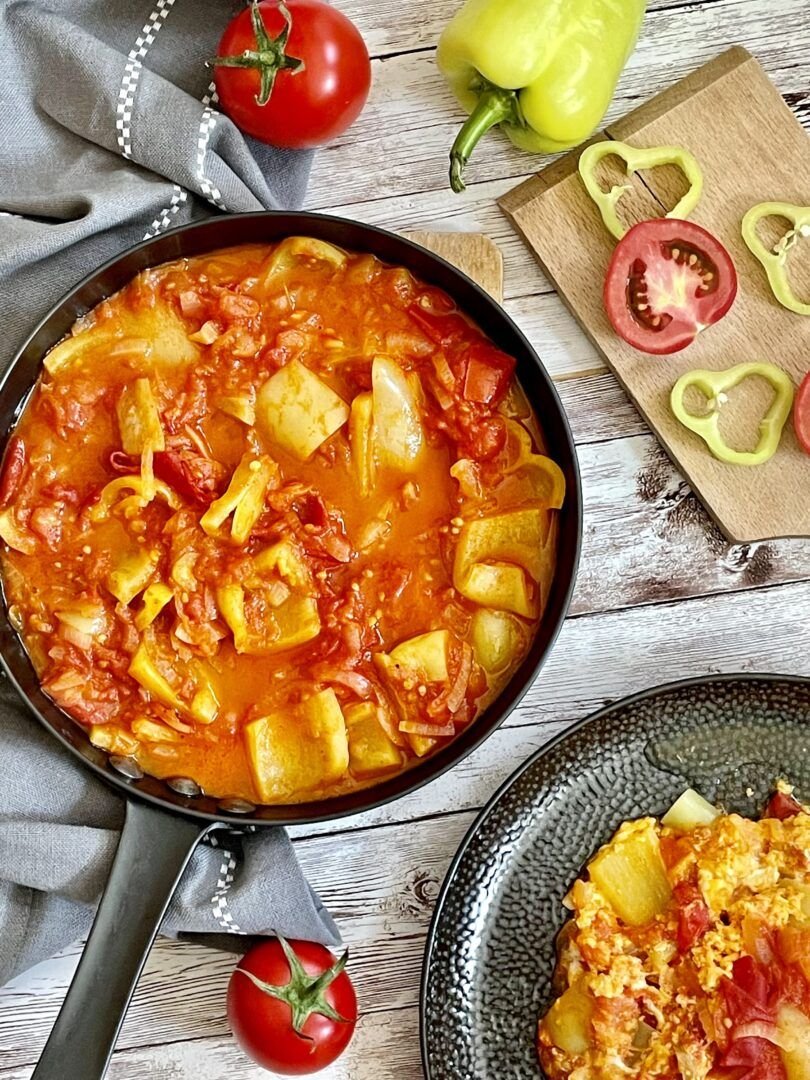
Slice the cured bacon thinly and serve it with fresh rustic bread, onions, peppers, tomatoes, and pickles.
🔥 Szalonna Sütés
One particularly beloved Hungarian tradition is szalonnasütés, where bacon is cooked over an open fire and the rendered fat is allowed to drip onto bread.
The warm bacon becomes wonderfully aromatic and pairs beautifully with onions and vegetables.
🍳 In Traditional Cooking
Small pieces of szalonna can also be rendered to provide a flavorful base for:
Eggs
Potatoes
Cabbage dishes
Beans
Soups
Stews
Dumplings
The rendered fat adds a characteristic Hungarian richness.
🌶️ The Importance of Hungarian Paprika
Sweet Hungarian paprika is often used in traditional versions of cured pork because it contributes both color and a distinctive mild pepper flavor.
Depending on the recipe, hot paprika can also be incorporated for additional heat.
💡 Tips for Better Results
Choose quality pork. A good balance between meat and fat produces the best texture.
Keep everything cold during curing. Proper refrigeration is essential.
Don’t improvise curing ratios. For long curing or smoking, follow a tested food-safety recipe.
Use appropriate smoking wood. Avoid resinous woods such as pine.
Allow the finished product to rest. Resting helps the smoke and seasoning settle into the meat.
🇭🇺 A Taste of Hungarian Tradition
Füstölt Szalonna represents an older Hungarian food tradition in which pork was carefully preserved so that families could enjoy it long after slaughter season.
Today, it remains a familiar ingredient in Hungarian cuisine and a favorite addition to rustic meals. Served with bread, onions, peppers, and pickles—or incorporated into a hearty traditional dish—Hungarian smoked bacon brings a deeply savory character that is difficult to reproduce with ordinary supermarket bacon.
Final Thoughts
Hungarian Smoked Bacon (Füstölt Szalonna) is more than simply bacon. It is a traditional preserved food with a distinctive balance of smoky pork, rich fat, garlic, paprika, and seasoning.
For anyone interested in authentic Hungarian cuisine, learning about szalonna offers a fascinating glimpse into the country’s traditional methods of curing, smoking, preserving, and sharing food. 🇭🇺🥓🔥