Hungarian Somlói Galuska: A Classic Hungarian Dessert 🇭🇺
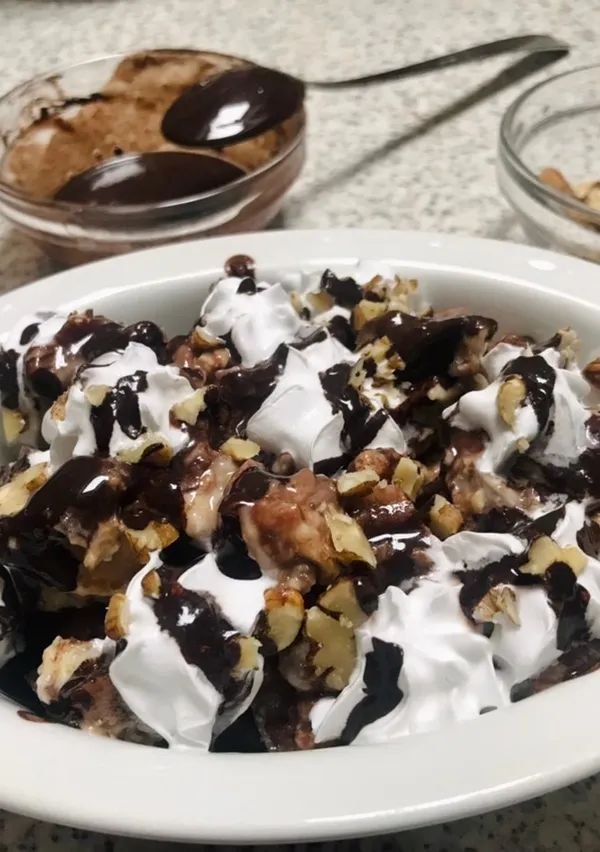
Somlói Galuska is typically served in a bowl or dessert dish rather than as a conventional slice of cake.
A generous spoonful of whipped cream is placed on top, followed by additional chocolate sauce. Some modern presentations may include grated chocolate, nuts, or other decorative elements.
It is commonly enjoyed after a traditional Hungarian meal and pairs naturally with coffee or espresso.
The Story Behind the Dessert
Somlói Galuska is a relatively modern addition to Hungary’s traditional dessert repertoire. It is generally associated with Károly Gollerits, a maître d’hôtel at the Gundel restaurant in Budapest, who is credited with creating the dessert in the 1950s.
The dessert was later presented at the 1958 Brussels World’s Fair, where it gained international attention.
Although its exact origins and naming history are sometimes described differently, Somlói Galuska has firmly established itself as one of Hungary’s signature desserts.
A Celebration of Hungarian Pastry Tradition
Somlói Galuska brings together many ingredients that have long been important in Central European pastry-making: sponge cake, vanilla, walnuts, raisins, chocolate, and cream.
Its charm lies in the way these individual components complement one another. The dessert combines soft sponge, silky custard, crunchy walnuts, sweet raisins, rich chocolate, and airy whipped cream in every serving.
For anyone exploring Hungarian cuisine, Somlói Galuska is an essential dessert to discover. Its generous flavors, distinctive presentation, and fascinating history make it a memorable representation of Hungary’s rich culinary culture.