Preparing the Cabbage
Remove the damaged outer leaves from the cabbage.
Bring a large pot of salted water to a gentle boil.
Carefully place the whole cabbage into the water.
As the outer leaves soften, remove them one at a time with tongs.
Continue until you have enough large, flexible leaves for your rolls.
Allow the leaves to cool.
Trim the thickest part of the central rib with a sharp knife. This makes the leaves easier to roll without tearing.
Making the Filling
Place the ground pork in a large bowl.
Add the uncooked rice, chopped onion, garlic, paprika, salt, pepper, and marjoram.
Add the egg if using.
Mix everything thoroughly until the ingredients are evenly distributed.
The rice will absorb moisture while the cabbage rolls cook, so the filling should not be overly dry.
Rolling the Cabbage
Place one cabbage leaf on a clean work surface.
Put a portion of the pork filling near the bottom portion of the leaf.
Fold the sides inward.
Roll the cabbage firmly but not excessively tightly.
The rice will expand during cooking, so leaving a little room inside the roll helps prevent the cabbage from splitting.
Repeat with the remaining leaves and filling.
Building the Pot
Heat the lard or oil in a large heavy pot.
Add the chopped onion and cook until softened.
Remove the pot briefly from the heat and stir in the Hungarian paprika.
Add a layer of sauerkraut to the bottom of the pot.
Arrange several cabbage rolls over the sauerkraut.
Add some of the smoked pork or sausage.
Continue layering the sauerkraut, cabbage rolls, and smoked meat until everything has been used.
Add the bay leaf.
Pour in enough water or pork broth to come partway up the cabbage rolls.
Slow Cooking
Bring the pot to a gentle simmer.
Cover and cook over low heat for approximately 1½–2 hours.
Avoid vigorous boiling, which can cause the cabbage rolls to break apart.
During cooking, the cabbage becomes tender while the pork, paprika, sauerkraut, and smoked meat combine to create a rich, savory sauce.
The rolls are ready when the cabbage is very tender and the filling is completely cooked.
Serving Hungarian Stuffed Cabbage
Carefully remove the cabbage rolls from the pot.
Serve them with plenty of sauerkraut and some of the flavorful cooking liquid.
Add a generous spoonful of sour cream on top.
Fresh crusty bread is traditionally an excellent accompaniment because it can soak up the rich sauce.
For an extra Hungarian touch, sprinkle a little sweet paprika over the sour cream.
Why Töltött Káposzta Is So Special
Hungarian stuffed cabbage isn’t simply a recipe—it is strongly connected with family gatherings and holiday cooking.
The combination of:
Tender cabbage + seasoned pork + rice + sauerkraut + paprika + smoked pork
creates a dish with layers of flavor and texture.
The sauerkraut provides acidity that balances the richness of the pork, while paprika gives the dish its characteristic Hungarian warmth and color.
Tips for Perfect Stuffed Cabbage Rolls
Don’t overfill the leaves
Rice expands as it cooks, so use a moderate amount of filling.
Trim thick cabbage ribs
This makes rolling easier and prevents the leaves from tearing.
Use good-quality paprika
Sweet Hungarian paprika provides the traditional flavor and vibrant color.
Cook slowly
A gentle simmer allows the cabbage to become tender while keeping the rolls intact.
Let the dish rest
After cooking, allow the pot to rest for about 15–20 minutes before serving. This makes the rolls easier to handle and allows the flavors to settle.
Make it ahead
Stuffed cabbage often tastes even better the next day after the flavors have had more time to develop.
A Traditional Hungarian Holiday Dish
Töltött Káposzta has long been associated with Hungarian celebrations and festive meals.
Recipes differ considerably between regions and families. Some versions use more sauerkraut, others include smoked pork or sausage, and some cooks add tomato or different spices.
This flexibility is part of the charm of the dish.
A Hungarian grandmother might make her stuffed cabbage completely differently from another family’s recipe, yet both can still be unmistakably Töltött Káposzta.
Frequently Asked Questions
Can I use sauerkraut leaves instead of fresh cabbage?
Yes. Fermented cabbage leaves can be used and provide an even more pronounced sour flavor.
Can I use beef instead of pork?
Yes, although pork is traditional in many Hungarian versions. A mixture of pork and beef can also be used.
Can I make vegetarian stuffed cabbage?
Absolutely. Rice, mushrooms, lentils, or other vegetables can be used for a meat-free variation.
Can stuffed cabbage be frozen?
Yes. Allow the cooked rolls to cool completely, then freeze them in an airtight container with some of their cooking liquid.
Why is sour cream served with it?
The cool, creamy sourness of the sour cream provides a wonderful contrast to the rich paprika-seasoned cabbage and pork.
Final Thoughts
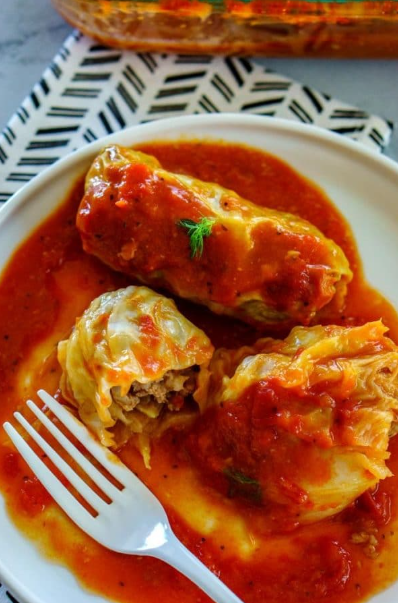
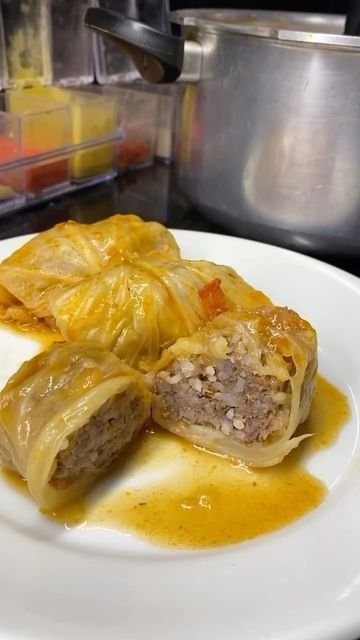
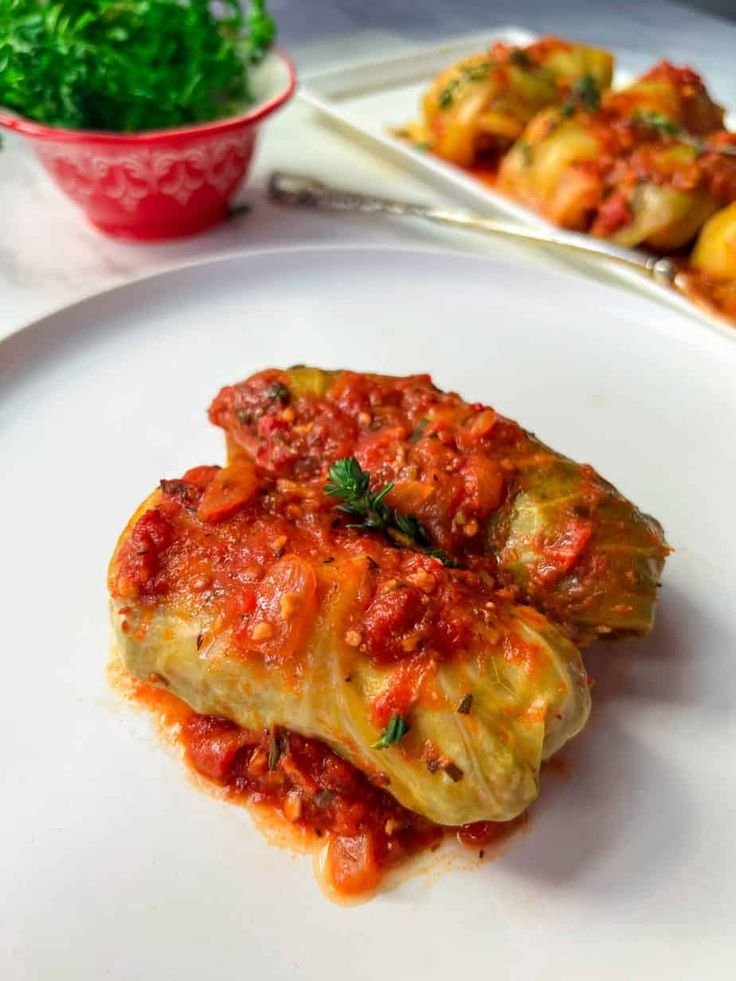
Hungarian Stuffed Cabbage Rolls (Töltött Káposzta) are the definition of traditional comfort food.
Tender cabbage leaves wrapped around seasoned pork and rice, slowly cooked with sauerkraut and smoky pork, create a meal that is rich, hearty, and deeply satisfying.
Serve it with sour cream and fresh bread, gather everyone around the table, and enjoy one of Hungary’s most beloved traditional dishes.
A true Hungarian classic, made for family, holidays, and long, cozy meals. 🇭🇺🥬❤️