Hungarian Tomato Pepper Stew (Lecsó): A Rustic Classic of Hungarian Cuisine
The cooking process begins by gently sautéing sliced onions in oil or another cooking fat.
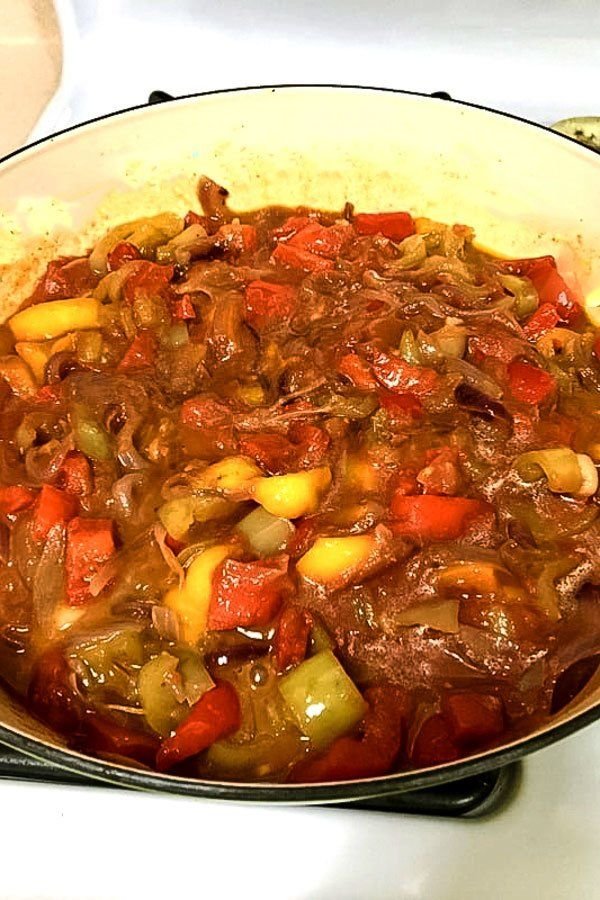
Once softened, paprika is added carefully before the peppers are introduced. The sliced peppers cook until they begin to soften, releasing their juices into the pan.
Tomatoes are then added, and everything is simmered together.
As the vegetables cook, the tomatoes break down and create a naturally rich, slightly thick sauce. The peppers become tender while retaining enough texture to prevent the dish from becoming completely smooth.
The final consistency can vary. Some cooks prefer Lecsó relatively thick, while others leave more tomato liquid in the dish.
A Dish With Many Variations
One of the most appealing aspects of Lecsó is its versatility.
While the basic version is vegetarian, numerous variations exist.
Lecsó With Sausage
Hungarian sausage, particularly paprika-seasoned sausage, is a popular addition. The sausage contributes fat, salt, smokiness, and additional paprika flavor.
This version turns the vegetable stew into a more substantial meal.
Lecsó With Eggs
Eggs can be stirred into the finished vegetable mixture, creating a simple and filling dish that is especially suitable for breakfast or a light lunch.
The eggs absorb the flavorful tomato and pepper juices while adding richness and protein.
Lecsó With Rice
Rice is another possible addition. It makes the dish more filling and allows the flavorful vegetable mixture to serve as a complete meal.
Different households may have their own preferred ratios and cooking methods.
A Taste of Hungarian Summer
Lecsó is strongly associated with the abundance of summer produce.
When tomatoes and peppers are at their seasonal peak, the dish requires little more than basic cooking to produce an intensely flavorful result.
This seasonal quality is an important part of traditional Central European cooking. Rather than relying on complicated techniques, dishes such as Lecsó make the most of vegetables when they are freshest.
It is equally appropriate served hot from the stove or allowed to cool slightly before serving.
How to Serve Lecsó
Lecsó can be served in several ways.
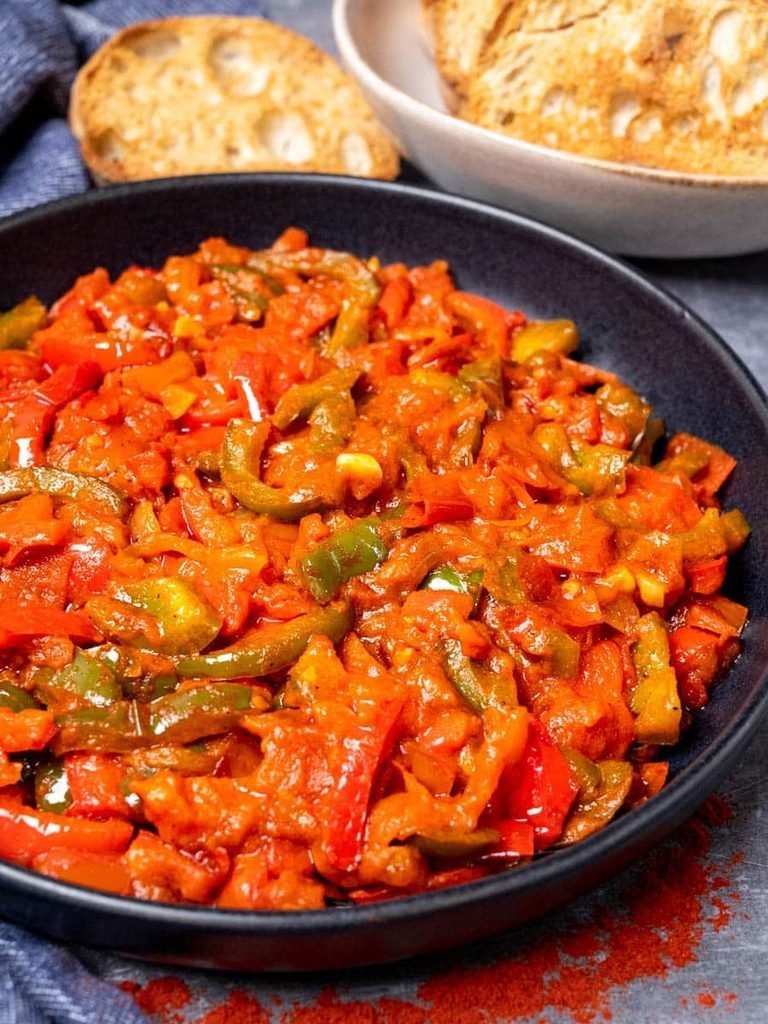
A bowl of freshly cooked Lecsó makes a satisfying light meal when accompanied by crusty bread. The bread is particularly useful for soaking up the rich tomato and pepper sauce.
It can also be served alongside grilled meats, roasted meats, sausages, or other traditional Hungarian dishes.
For a more complete meal, eggs, sausage, or rice can be incorporated directly into the stew.
What Does Lecsó Taste Like?
The flavor of Lecsó is primarily sweet, savory, aromatic, and gently earthy.
Ripe tomatoes provide acidity and natural sweetness, while peppers contribute sweetness and vegetal flavor. Onions create a savory foundation, and paprika gives the dish its unmistakable Hungarian character.
The final taste depends heavily on the peppers used. Mild peppers create a gentle, sweet stew, while hotter varieties can give Lecsó a noticeable kick.
Because the ingredients are so simple, balance is essential. The goal is not to overpower the vegetables but to allow their individual flavors to work together.
Lecsó in Hungarian Home Cooking
Lecsó represents an important idea in Hungarian food culture: simple ingredients can produce deeply satisfying food when they are cooked thoughtfully.
It is the kind of dish that can easily become associated with family kitchens, summer produce, and informal meals.
Its flexibility also makes it practical. A cook can prepare the basic version when only a few ingredients are available or add sausage, eggs, rice, or other ingredients when a more substantial meal is desired.
That adaptability has helped Lecsó remain relevant across generations.
Tips for Making Better Lecsó
For the best results, keep a few principles in mind:
Use ripe vegetables. Since the ingredient list is short, the quality of the tomatoes and peppers matters enormously.
Do not burn the paprika. Excessive heat can make paprika bitter. Add it carefully and avoid prolonged frying at very high temperatures.
Cook gently. A moderate simmer allows the vegetables to soften while their flavors develop.
Taste before serving. Tomatoes and peppers vary naturally in sweetness and acidity, so the final seasoning should be adjusted according to the vegetables used.
Choose your texture. Cook longer for a softer, thicker stew or stop earlier if you prefer the peppers to retain more structure.
Final Thoughts
Hungarian Lecsó is a celebration of simplicity. Fresh peppers, ripe tomatoes, onions, and paprika come together to create a dish that is inexpensive, adaptable, and full of character.
Whether served as a vegetarian stew, enriched with Hungarian sausage, combined with eggs, or accompanied by bread, Lecsó demonstrates why some of the most enduring recipes are built from the simplest ingredients.
Its colorful appearance, rich paprika aroma, and comforting texture make it a distinctive example of Hungarian home cooking—and a delicious way to bring the flavors of Hungary to the table.