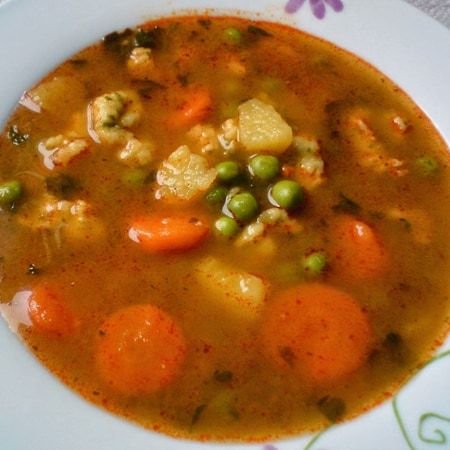
Cut the carrots, parsley root, celery root, potatoes, and kohlrabi into small, similarly sized pieces.
Keeping the pieces relatively uniform helps them cook more evenly.
2. Sauté the Aromatics
Heat a little oil or butter in a large pot.
Add finely chopped onion and cook gently until softened.
Add the root vegetables and cook for several minutes, stirring occasionally.
The goal is not to brown them heavily but to allow their flavors to develop.
3. Add the Seasoning
Season with salt and black pepper.
If using paprika, add a small amount after lowering the heat. Paprika can burn quickly, so it should not be exposed to high heat for an extended period.
4. Add the Liquid
Pour in water or vegetable stock.
Bring the soup to a gentle boil, then reduce the heat and allow it to simmer.
5. Add the Remaining Vegetables
Add potatoes, peas, green beans, or other vegetables according to their cooking times.
Continue simmering until the vegetables are tender but still retain some texture.
6. Finish With Fresh Parsley
Fresh parsley is an important finishing touch.
Add chopped parsley toward the end of cooking so that its fresh, herbal flavor remains noticeable.
Adding Noodles or Dumplings
Many Hungarian vegetable soups are served with a small amount of pasta or dumplings.
Fine soup noodles are particularly common and turn a light vegetable broth into a more substantial dish.
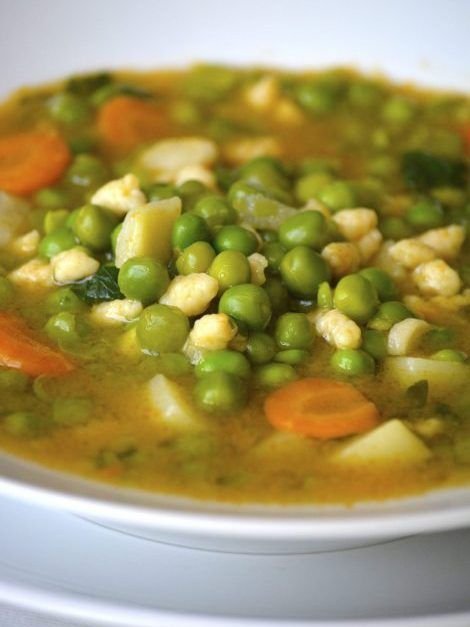
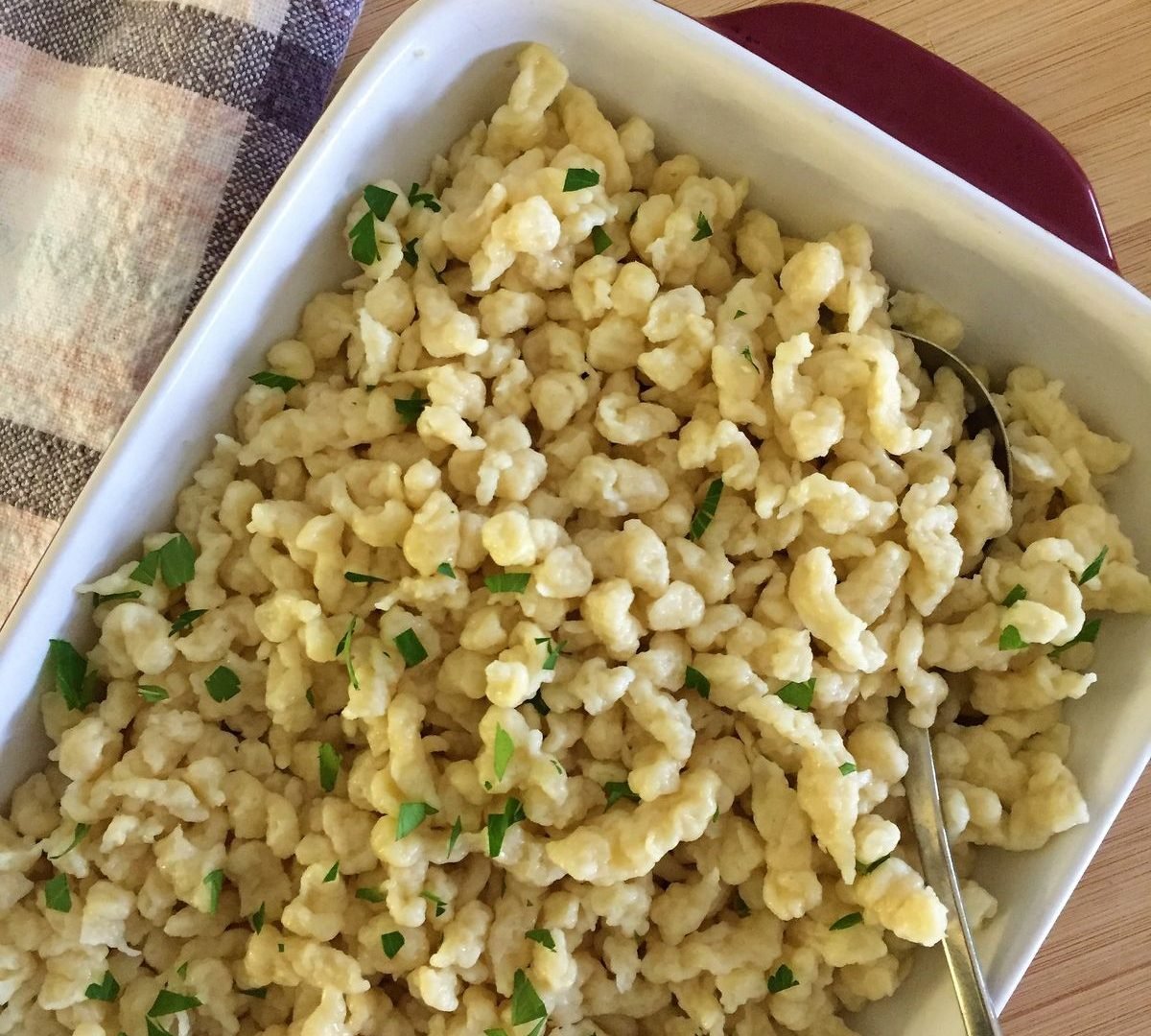
Small homemade dumplings can also be added directly to the simmering soup. Their soft texture complements the tender vegetables and creates a more filling bowl.
The choice is largely a matter of personal and family tradition.
What Does It Taste Like?
Hungarian vegetable soup is generally mild, aromatic, and naturally sweet.
The carrots contribute sweetness, while parsley root and celery provide a deeper herbal character. Potatoes add body, and fresh parsley brightens the finished broth.
When paprika is used, it can add a subtle earthy note without turning the soup into a heavily spiced dish.
The overall flavor is balanced rather than intense, making it suitable as both an everyday meal and a traditional first course.
Hungarian Vegetable Soup Variations
One of the most appealing aspects of this soup is its flexibility.
Spring Vegetable Soup
Fresh peas, young carrots, green beans, and herbs can create a particularly delicate seasonal version.
Winter Vegetable Soup
Root vegetables such as carrots, celery root, parsley root, potatoes, and kohlrabi can provide a heartier winter combination.
Noodle Vegetable Soup
Adding fine noodles makes the soup more substantial and is a familiar approach in Hungarian home cooking.
Dumpling Vegetable Soup
Small homemade dumplings can replace noodles or be used alongside them.
Paprika Vegetable Soup
A small amount of Hungarian paprika gives the broth a warmer color and a more distinctly Hungarian character.
Tips for the Best Hungarian Vegetable Soup
Cut Vegetables Evenly
Uniform pieces help the vegetables finish cooking at approximately the same time.
Avoid Overcooking
The vegetables should be tender but not falling apart. A little texture makes the finished soup more enjoyable.
Use Fresh Parsley
Fresh parsley provides a brighter flavor than dried parsley and works particularly well as a finishing herb.
Be Careful With Paprika
If you use paprika, avoid frying it over high heat. Burnt paprika can become bitter.
Let the Soup Rest Briefly
Allowing the finished soup to sit for a few minutes before serving can help the flavors settle and blend.
Is Hungarian Vegetable Soup Vegetarian?
It can easily be vegetarian.
A version prepared with vegetables, herbs, oil or butter, and vegetable stock contains no meat.
However, recipes differ from household to household, and some cooks may use chicken stock or another meat-based broth for additional flavor.
If preparing the soup for vegetarians, simply use vegetable stock or water and check the ingredients of any noodles or dumplings being added.
How to Serve It
Hungarian vegetable soup is traditionally enjoyed as a warm first course.
It can be served with:
Fresh bread
Crusty rolls
Homemade noodles
Small dumplings
Fresh parsley
For a larger meal, it pairs naturally with traditional Hungarian main courses such as roasted meats, stews, paprikash, or stuffed vegetables.
Its light character makes it particularly useful before richer dishes.
A Taste of Hungarian Home Cooking
What makes Hungarian vegetable soup special is not complexity but practicality.
It represents a style of cooking in which ordinary vegetables are treated with care and allowed to provide most of the flavor. The recipe can change with the season, the contents of the pantry, and the traditions of each household.
That flexibility is part of what has allowed vegetable soup to remain a familiar feature of Hungarian home cooking.
Final Thoughts
Hungarian Vegetable Soup, or zöldségleves, is a simple, nourishing, and adaptable dish that showcases the natural flavors of vegetables.
With carrots, parsley root, celery, potatoes, peas, herbs, and optional noodles or dumplings, it creates a warm and flavorful bowl without requiring complicated techniques.
Whether prepared as a light starter, a vegetarian meal, or a comforting family soup, Hungarian vegetable soup demonstrates the enduring appeal of simple ingredients prepared with patience and care.