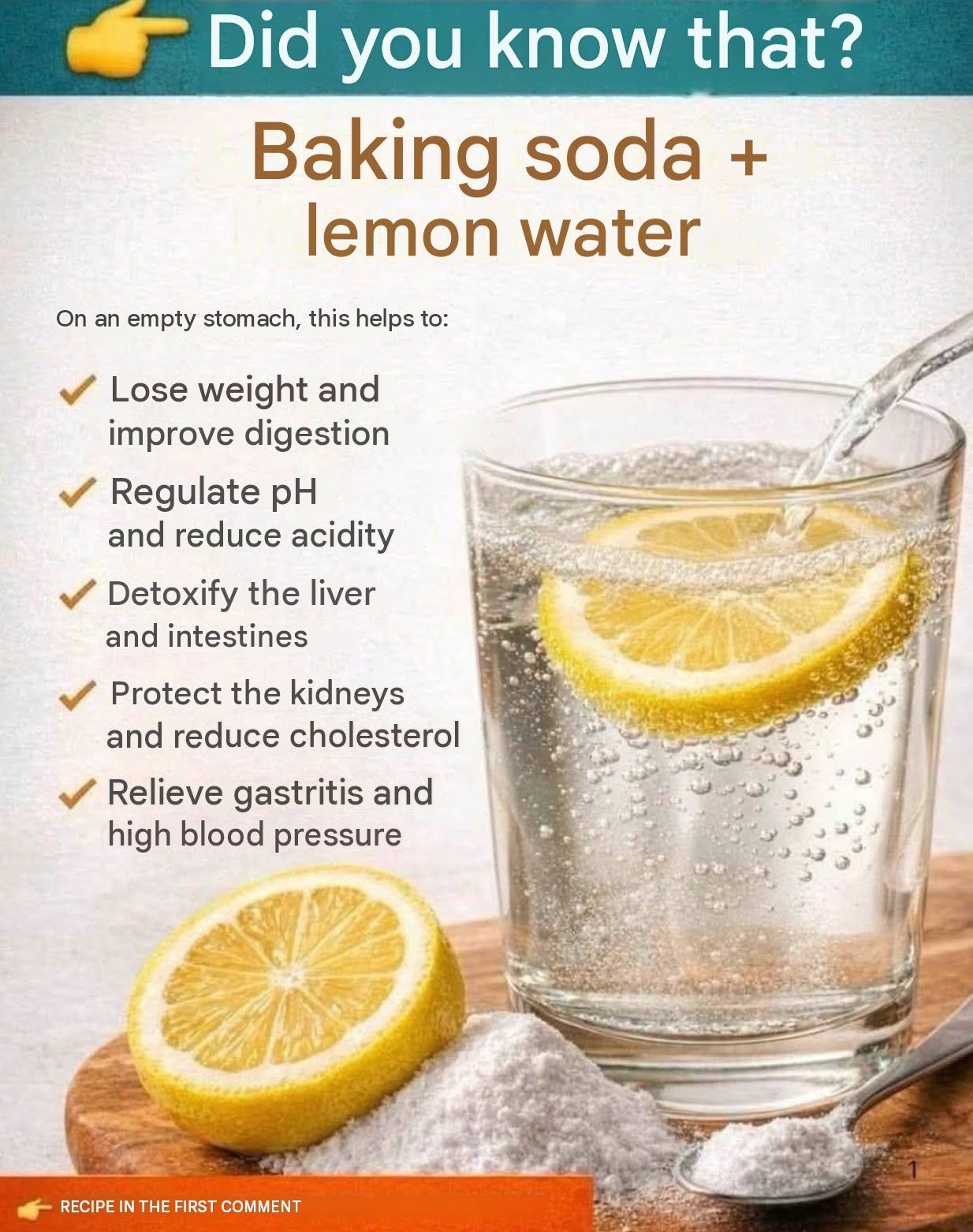
When lemon juice meets baking soda (sodium bicarbonate), the result is an immediate and dramatic effervescence. This fizz is not a sign of activated healing properties; it is the visible release of carbon dioxide gas. The citric acid in the lemon provides hydrogen ions that react with the bicarbonate, producing water, carbon dioxide, and sodium citrate . By the time the reaction subsides, the original acidity of the lemon and the alkalinity of the baking soda have largely neutralized each other. What remains is a dilute solution of sodium citrate, which is neither strongly acidic nor strongly alkaline. Any claim that this mixture “alkalizes” the body must contend with the fact that the two ingredients have already cancelled each other out before the drink even reaches your stomach . The fizz is compelling theater, but it represents a chemical neutralization, not an activation of health-promoting compounds.
The pH Myth: Why Your Body Cannot Be “Alkalinized” by a Drink
The central claim of the lemon-baking soda trend—that it regulates pH and reduces acidity—is rooted in a fundamental misunderstanding of human physiology. Blood pH is maintained within an extraordinarily tight range of 7.35 to 7.45 by the coordinated action of the lungs, kidneys, and multiple chemical buffer systems . This is not a passive equilibrium that can be nudged by dietary choices; it is an active, continuous regulatory process. If blood pH were to deviate meaningfully from this range, the result would be a medical emergency requiring immediate intervention, not a state of improved wellness. The alkaline diet narrative suggests that modern diets create a state of chronic “acidosis” that can be corrected by alkaline foods, but this concept has no basis in established physiology for healthy individuals . While certain foods can influence urine pH—because the kidneys excrete excess acid or base to maintain blood stability—this reflects the kidneys doing their job, not a systemic shift in the body’s internal environment. A study noted that lemon juice might raise urine pH slightly, from approximately 6.7 to 6.9, but this is a trivial change in waste output, not a transformation of blood chemistry .
Weight Loss and Digestion Claims: The Evidence Gap
The assertion that lemon water with baking soda promotes weight loss and improves digestion lacks credible scientific support. A comprehensive review of the evidence finds no clinical studies demonstrating that this combination causes fat loss . The theoretical mechanism often proposed—that alkalinity boosts metabolism or that the fizzing creates a sense of fullness—does not withstand scrutiny. Any temporary appetite suppression some users report is more plausibly explained by the uncomfortable bloating and distension caused by the carbon dioxide gas in the stomach, not by a metabolic effect . Regarding digestion, baking soda is a recognized antacid that can provide short-term relief from occasional heartburn by neutralizing stomach acid . However, this is a symptomatic treatment for a temporary discomfort, not an improvement in digestive function. In fact, frequent use can disrupt the stomach’s natural acidity, which is necessary for proper protein digestion and as a barrier against ingested pathogens. The claim that the mixture “detoxifies the liver and intestines” is similarly unfounded; the liver and kidneys perform detoxification continuously, and no beverage has been shown to enhance this process.
Kidney Protection and Cholesterol: Distorting Legitimate Research
The claim that lemon water with baking soda protects the kidneys and reduces cholesterol appears to be a distortion of legitimate but narrowly applicable medical research. Studies have investigated sodium bicarbonate supplementation in patients with chronic kidney disease (CKD) and metabolic acidosis, a specific complication of advanced kidney disease. In one randomized trial involving hypertensive adults with CKD and high albuminuria, oral sodium bicarbonate slowed CKD progression compared to usual care . However, this was a clinical intervention using measured doses of sodium bicarbonate tablets in a diseased population, not a wellness beverage consumed by healthy individuals. Crucially, the same study found that a diet rich in fruits and vegetables was the preferred strategy because it also improved cardiovascular risk markers like blood pressure and LDL cholesterol, whereas the sodium bicarbonate group did not show these additional benefits . For healthy people, there is no evidence that drinking lemon water with baking soda protects the kidneys or improves cholesterol. In fact, the sodium load from baking soda could be counterproductive for blood pressure management.