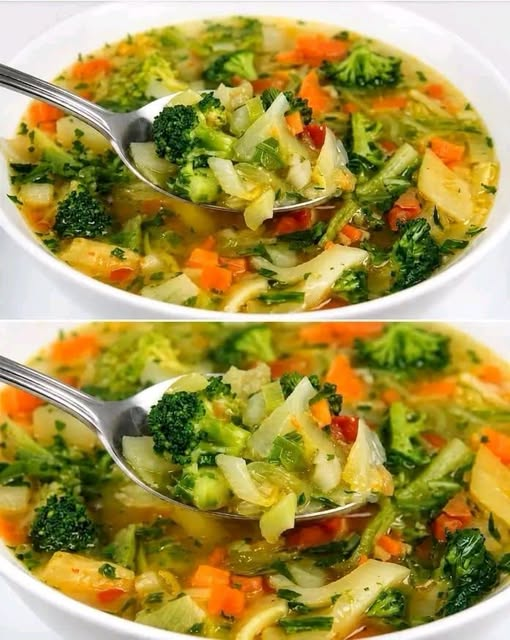
Does this vegetable soup actually cure diseases? No. While it is highly nutritious and can support overall health, no food can cure diseases like cancer, heart disease, or diabetes. It should be part of a balanced diet and not a substitute for medical treatment.
Why do people say this soup “saved their life”? This is likely an exaggeration used for viral marketing. However, replacing unhealthy meals with a nutrient-dense soup can lead to real improvements in energy, digestion, and overall well-being, which may feel life-changing to some.
Is it safe to eat this soup every day? Yes, it is generally safe and healthy to eat vegetable soup daily as part of a balanced diet. However, variety is important, so ensure you are also eating other food groups like proteins, healthy fats, and whole grains.
What are the most nutritious vegetables to add to this soup? Cruciferous vegetables like broccoli and cauliflower, dark leafy greens like spinach and kale, and brightly colored vegetables like carrots and tomatoes are all excellent choices due to their high vitamin, mineral, and antioxidant content.
Can this soup help with weight loss? It can be a helpful tool for weight loss because it is high in fiber and water, which can increase feelings of fullness and reduce overall calorie intake. However, weight loss depends on a consistent calorie deficit, not just one food.
Is the broth important for health? Yes, the broth provides hydration and can contain some water-soluble nutrients from the vegetables. Using a low-sodium broth is best for controlling salt intake.
Can I add meat to this soup? Absolutely. Adding lean chicken, turkey, or lean beef can increase the protein content, making the soup a more complete meal.