Why Baking Soda Works on Grout: The Chemistry and Mechanics
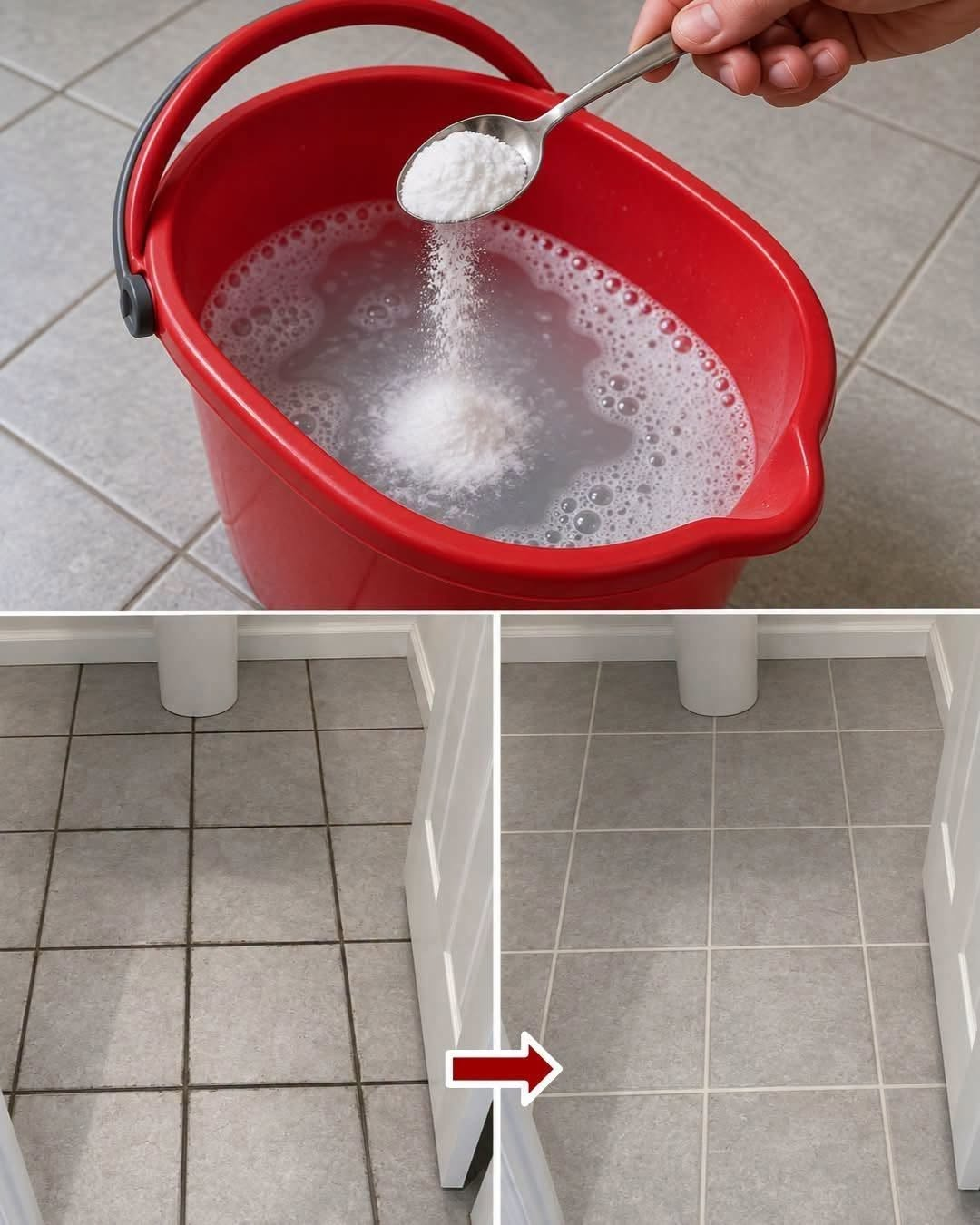
Grout is a cement-based material that is inherently porous. Its microscopic pores readily absorb liquids, oils, and dissolved dirt, which is why grout lines darken over time even when the tile surface remains clean . To clean grout effectively, a cleaning agent must either lift the soil from the surface through mechanical action or penetrate the pores to break down the trapped material. Baking soda, chemically known as sodium bicarbonate, accomplishes both to varying degrees.
The first mechanism is gentle abrasion. Baking soda has a fine crystalline structure that is soft enough not to scratch most tile surfaces but abrasive enough to physically dislodge surface soil when scrubbed . When mixed with water to form a paste, it creates a mildly abrasive cleaning medium that can lift grime from the grout channel without the risk of etching or dulling the adjacent tile.
The second mechanism is alkaline neutralization. Baking soda is mildly alkaline, which allows it to neutralize acidic stains and break down greasy, oily soils that are often acidic in nature . Many common grout stains—from food spills to cooking grease—respond well to an alkaline environment. This is why baking soda is often more effective than plain water or a neutral cleaner for kitchen floor grout.
The Hydrogen Peroxide Enhancement
While baking soda and water alone can brighten lightly soiled grout, the most effective DIY grout cleaner pairs baking soda with hydrogen peroxide. This combination is widely recommended by cleaning experts and household publications . The two ingredients work synergistically: hydrogen peroxide acts as an oxidizing agent that breaks down organic stains, including mold, mildew, and food residue, while baking soda provides the abrasive action and helps stabilize the peroxide, allowing for a sustained release of oxygen . The resulting fizzing reaction helps loosen debris from the grout pores, enhancing the cleaning effect.
The standard ratio for this paste is approximately two parts baking soda to one part hydrogen peroxide by volume, mixed until it reaches a thick, spreadable consistency similar to toothpaste . For kitchen floors where grease is a factor, adding a small amount of dish soap to the paste can help emulsify oils before the baking soda lifts them away .
The Vinegar Myth: Why the Popular Fizzing Reaction Is Misleading
Many viral cleaning videos show baking soda being applied to grout and then sprayed with vinegar, creating a dramatic fizzing reaction that looks like powerful cleaning action. This combination is frequently presented as the ultimate grout-cleaning trick. However, the science tells a different story.
When baking soda and vinegar are mixed, they react to form water, carbon dioxide gas, and a salt (sodium acetate). The fizzing is simply the release of carbon dioxide—it is not evidence of dirt being lifted or stains being dissolved . In fact, the two ingredients effectively neutralize each other, leaving behind a mostly inert salt water solution that is less effective than either ingredient would be on its own. The Tile Council of North America explicitly notes that vinegar, being acidic, can attack the cementitious binder in grout, potentially weakening it over time . While the small amount of vinegar used in a single cleaning session is unlikely to cause immediate damage, relying on the baking soda and vinegar combination as a primary grout-cleaning method is counterproductive.
For those who want the mechanical agitation that the fizzing provides, a better approach is to apply the baking soda and hydrogen peroxide paste first, allow it to dwell, and then scrub. The peroxide-based paste does the chemical work of breaking down stains, while the scrubbing provides the physical disruption needed to remove loosened grime. If additional stain-fighting power is needed, a small amount of vinegar can be used as a final rinse on stubborn spots, but it should not be the primary cleaning agent.