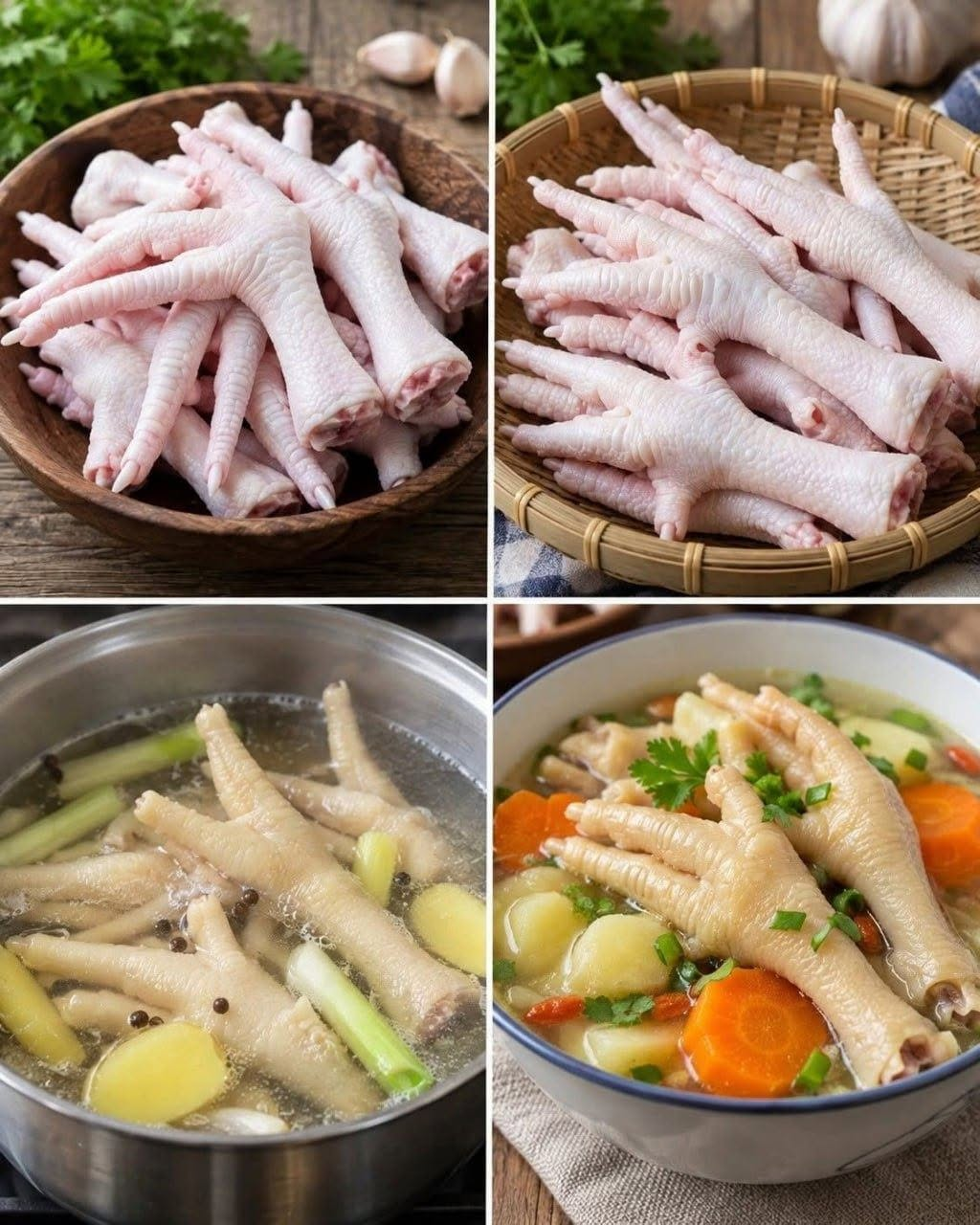
The Historical and Cultural Significance of Chicken Feet
A Global Culinary Staple
Chicken feet have been consumed for centuries across Asia, Latin America, and parts of Europe, where the philosophy of nose-to-tail eating is deeply ingrained. In Chinese cuisine, they are a beloved dim sum item, often braised in a rich sauce of soy, garlic, and star anise, or served in soups where their gelatinous texture is highly prized. In the Philippines, they are marinated and grilled as adidas, while in Mexico, they are a common addition to soups and broths. In South Africa, they are known as walkie-talkies and are often deep-fried or boiled. The consumption of chicken feet is rooted in a tradition of resourcefulness, maximizing the utility of the animal, and a cultural appreciation for textures and flavors that differ from the typical Western preference for muscle meat.
Traditional Medicinal Uses
Beyond culinary uses, chicken feet have held a place in traditional medicine systems. In Chinese medicine, chicken feet are believed to nourish the blood, strengthen the bones, and improve the complexion. They are often prescribed in soups for postpartum women, the elderly, or those recovering from illness, as they are thought to restore vitality and strength. Similarly, in various folk medicine traditions, the gelatinous broth made from chicken feet is used as a remedy for joint pain and to promote wound healing. While these traditional claims are not all validated by modern clinical trials, they align with the nutritional composition of the feet, which are rich in collagen and minerals that support connective tissue health.
The Nutritional Profile: Why Chicken Feet Are a Superfood
Collagen and Gelatin: The Star Components
The most notable feature of chicken feet is their exceptionally high collagen content. Collagen is the most abundant protein in the human body, providing structure to skin, bones, tendons, and ligaments. When chicken feet are simmered for hours, the collagen breaks down into gelatin, a protein that has been partially hydrolyzed. Gelatin is known to support gut health by helping maintain the integrity of the intestinal lining, and it may also aid in joint health. A study published in the Journal of Medicinal Food highlights the potential of collagen supplementation from animal sources for improving skin elasticity and reducing joint pain. Because chicken feet contain a concentrated source of these structural proteins, they offer a whole-food alternative to processed collagen powders.
Vitamins, Minerals, and Amino Acids
Beyond collagen, chicken feet are a source of several essential nutrients. They contain significant amounts of chondroitin and glucosamine, compounds naturally found in cartilage and often taken as supplements for joint health. These substances help maintain the shock-absorbing properties of cartilage and may slow the progression of osteoarthritis. Chicken feet also provide trace minerals such as calcium, magnesium, and phosphorus, which are vital for bone health. Additionally, they contain glycine and proline, two non-essential amino acids that play crucial roles in collagen synthesis and wound healing. While chicken feet are relatively low in fat and calories compared to other cuts of meat, they are high in protein, making them a nutrient-dense addition to a balanced diet.