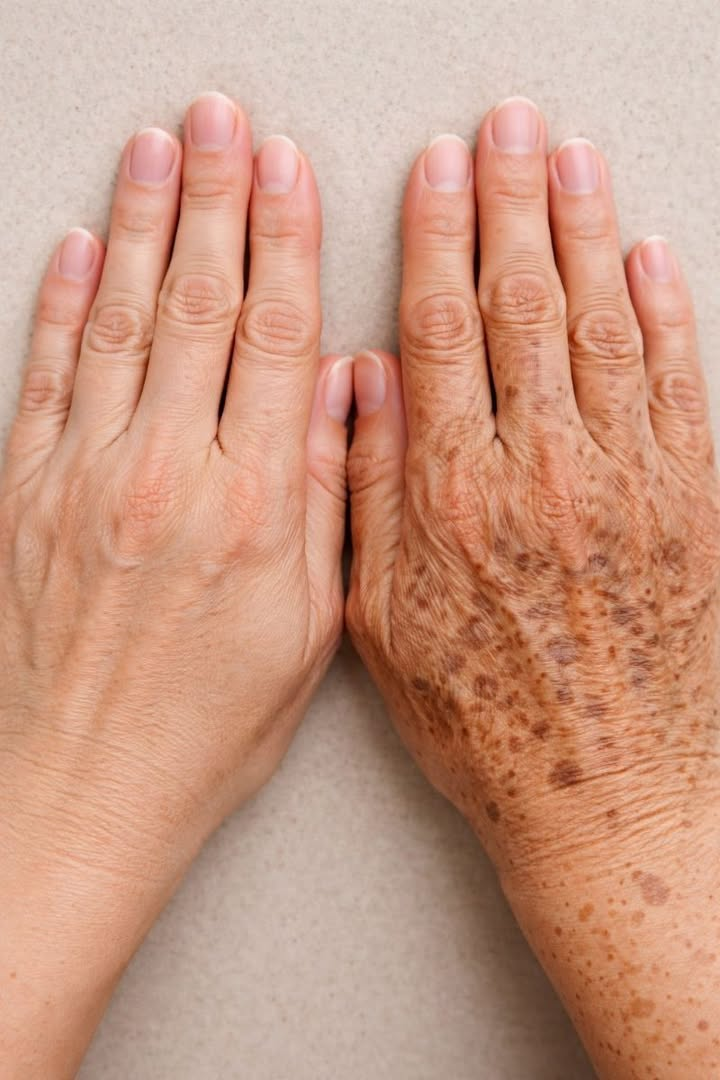
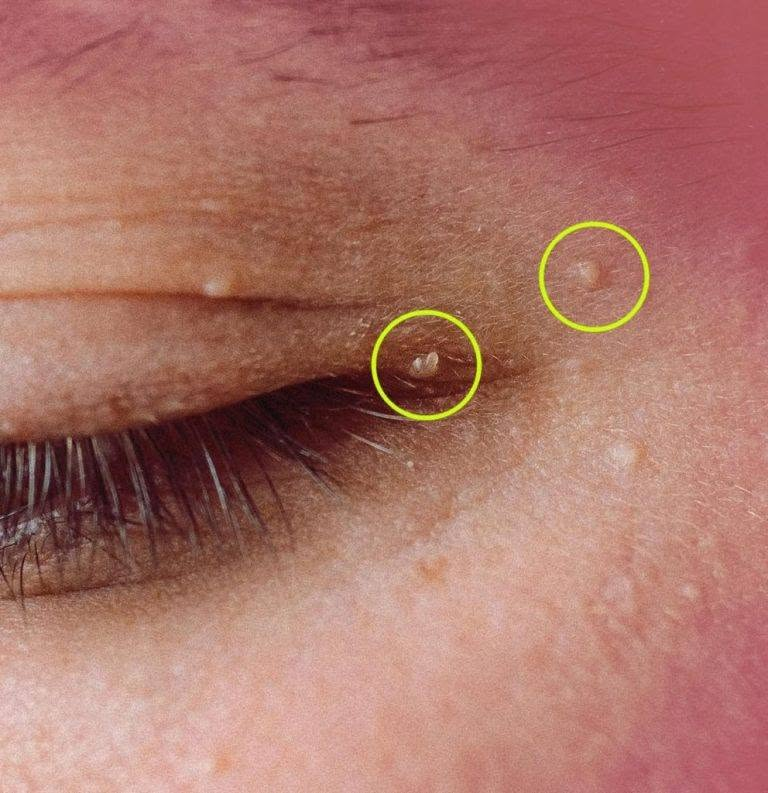
The high collagen content of chicken feet has led to claims that consuming them can improve skin elasticity and reduce wrinkles. When we eat collagen-rich foods, the body breaks the collagen down into amino acids, which are then used to build new collagen in the skin. While the process is not as direct as applying collagen topically, studies suggest that dietary collagen can improve skin hydration and elasticity. A randomized controlled trial in Skin Pharmacology and Physiology found that oral collagen supplementation led to significant improvements in skin hydration and reduced wrinkle depth. Chicken feet provide a natural, unprocessed source of these beneficial proteins, making them a valuable addition to an anti-aging diet.
Joint and Bone Health
The combination of collagen, glucosamine, and chondroitin in chicken feet makes them a promising food for joint health. These compounds work synergistically to support the structure and function of joints. Glucosamine is a building block for cartilage, while chondroitin helps retain water in the cartilage, providing shock absorption. A study in Osteoarthritis and Cartilage found that individuals with osteoarthritis who supplemented with glucosamine and chondroitin experienced reduced pain and improved joint function. While chicken feet are not a substitute for medical treatment, they can be a supportive dietary addition for those looking to maintain joint health.
Gut Health and Healing
The gelatin derived from chicken feet is particularly beneficial for gut health. Gelatin contains glycine, an amino acid that helps regulate inflammation and supports the integrity of the intestinal lining. It is often recommended as part of a gut-healing protocol, particularly for individuals with leaky gut syndrome or inflammatory bowel conditions. The broth made from chicken feet is rich in gelatin and other nutrients that can soothe the digestive tract and promote healthy digestion. Additionally, the collagen in chicken feet may help strengthen the stomach lining and improve nutrient absorption.
Cooking and Preparing Chicken Feet
Cleaning and Preparation
Proper preparation is essential for a safe and delicious dish. Chicken feet should be thoroughly cleaned before cooking. First, rinse them under cold running water. Then, if the claws are still attached, they can be removed with a sharp knife or kitchen shears. Some recipes also call for blanching the feet in boiling water for a few minutes and then peeling off the outer layer of skin, which can be tough and may contain impurities. After cleaning, the feet are ready to be cooked.
Traditional Cooking Methods
The most common way to cook chicken feet is by simmering or braising them for an extended period. This slow cooking process breaks down the collagen and connective tissue, resulting in a tender, gelatinous texture and a rich, flavorful broth. In Chinese cuisine, chicken feet are often marinated in a mixture of soy sauce, rice wine, sugar, garlic, and spices, then steamed or braised until tender. They are also a key ingredient in chicken stock, adding body and richness. For a simple preparation, chicken feet can be boiled with ginger and scallions to make a nourishing broth, or deep-fried for a crispy snack.
Safety Considerations
When handling raw chicken feet, standard food safety practices apply. Always wash hands, utensils, and surfaces thoroughly before and after contact with raw poultry. Cook chicken feet to an internal temperature of at least 165°F (74°C) to ensure any potential bacteria are destroyed. Because chicken feet are often cooked in a broth, ensure the liquid reaches a rolling boil and simmers for a sufficient time. As with any food, individuals with allergies to chicken or poultry should avoid consumption, and those on restricted diets should consult a healthcare provider before adding chicken feet to their routine.
Conclusion
Chicken feet are more than a culinary curiosity; they are a nutrient-dense food with a rich history and a compelling nutritional profile. Their high content of collagen, gelatin, glucosamine, and chondroitin makes them a promising dietary addition for those seeking to support skin health, joint function, and gut integrity. While the claim that eating chicken feet can replace cosmetic treatments is an oversimplification, the scientific evidence does suggest that the nutrients found in chicken feet can contribute to a healthy, youthful appearance and overall wellness. From traditional Chinese dim sum to Latin American soups, chicken feet are a versatile ingredient that can be prepared in countless ways. By incorporating them into your diet, you can enjoy a flavorful, sustainable food that supports your health from the inside out.
Frequently Asked Questions
1. Are chicken feet actually good for your skin? Chicken feet are rich in collagen, a protein that supports skin structure and elasticity. While the body breaks down collagen into amino acids and does not directly deposit it into the skin, studies suggest that dietary collagen can improve skin hydration and reduce wrinkle depth. Chicken feet provide a natural source of these beneficial proteins.
2. Do chicken feet help with joint pain? Chicken feet contain glucosamine and chondroitin, compounds that are commonly used as supplements for joint health. These substances help maintain cartilage structure and may reduce joint pain associated with osteoarthritis. However, they should not replace medical treatment for joint conditions.
3. How do you clean chicken feet before cooking? Rinse the feet under cold running water. If the claws are attached, they can be removed with a sharp knife or kitchen shears. Some recipes recommend blanching the feet in boiling water for a few minutes and then peeling off the outer skin, which can be tough.
4. What is the best way to cook chicken feet? The most common methods are simmering, braising, or stewing for an extended period. This breaks down the collagen and connective tissue, resulting in a tender texture and a rich, flavorful broth. They can also be deep-fried for a crispy snack.
5. Are chicken feet safe to eat? Yes, when properly cleaned and cooked to an internal temperature of at least 165°F (74°C), chicken feet are safe to eat. Always follow standard food safety practices when handling raw poultry.
6. Do chicken feet have a lot of calories? Chicken feet are relatively low in calories and fat compared to other cuts of meat, but they are high in protein. The exact calorie count depends on the cooking method and any added ingredients.
7. Can chicken feet help with gut health? The gelatin derived from chicken feet contains glycine, an amino acid that supports the integrity of the intestinal lining. Chicken feet broth is often recommended as part of a gut-healing protocol, particularly for individuals with leaky gut syndrome or inflammatory bowel conditions.
8. Is there a difference between chicken feet and chicken paws? In the poultry industry, “chicken paws” is often used to refer to the feet of older chickens, which are larger and have a different texture than the feet of younger birds. The terms are sometimes used interchangeably in cooking, but the distinction can affect the cooking time and texture.
9. Can I make chicken stock with chicken feet? Yes, chicken feet are an excellent addition to chicken stock. They are rich in collagen and gelatin, which give the stock a rich, silky body and a deep flavor. Simply add them to your stock pot along with other bones and vegetables.
10. Are there any risks to eating chicken feet? As with any poultry product, there is a risk of bacterial contamination if the feet are not properly handled and cooked. Always wash hands, utensils, and surfaces thoroughly, and cook the feet to the recommended internal temperature. Individuals with poultry allergies should avoid them.