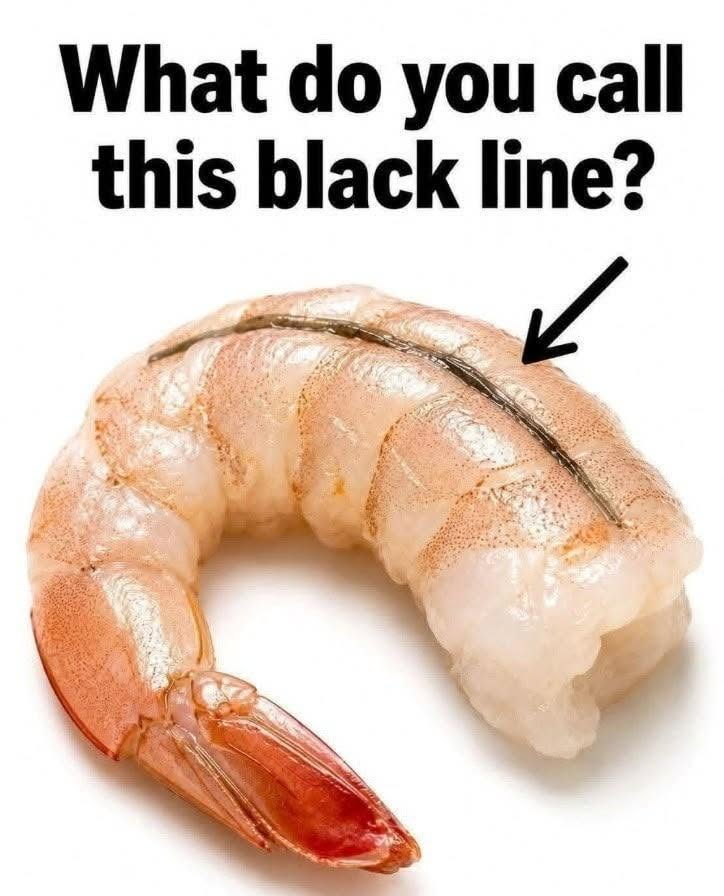
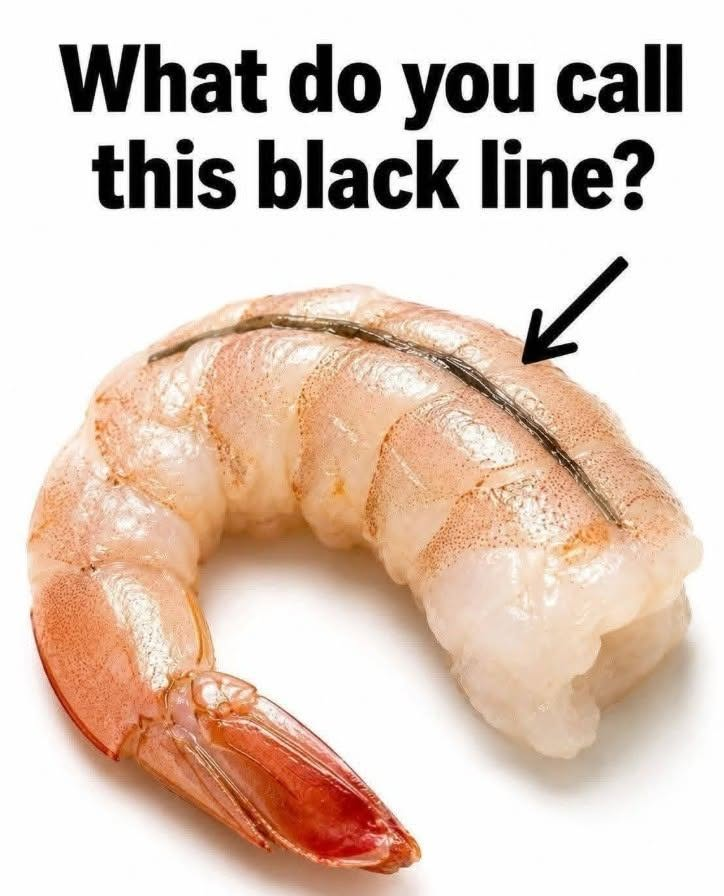
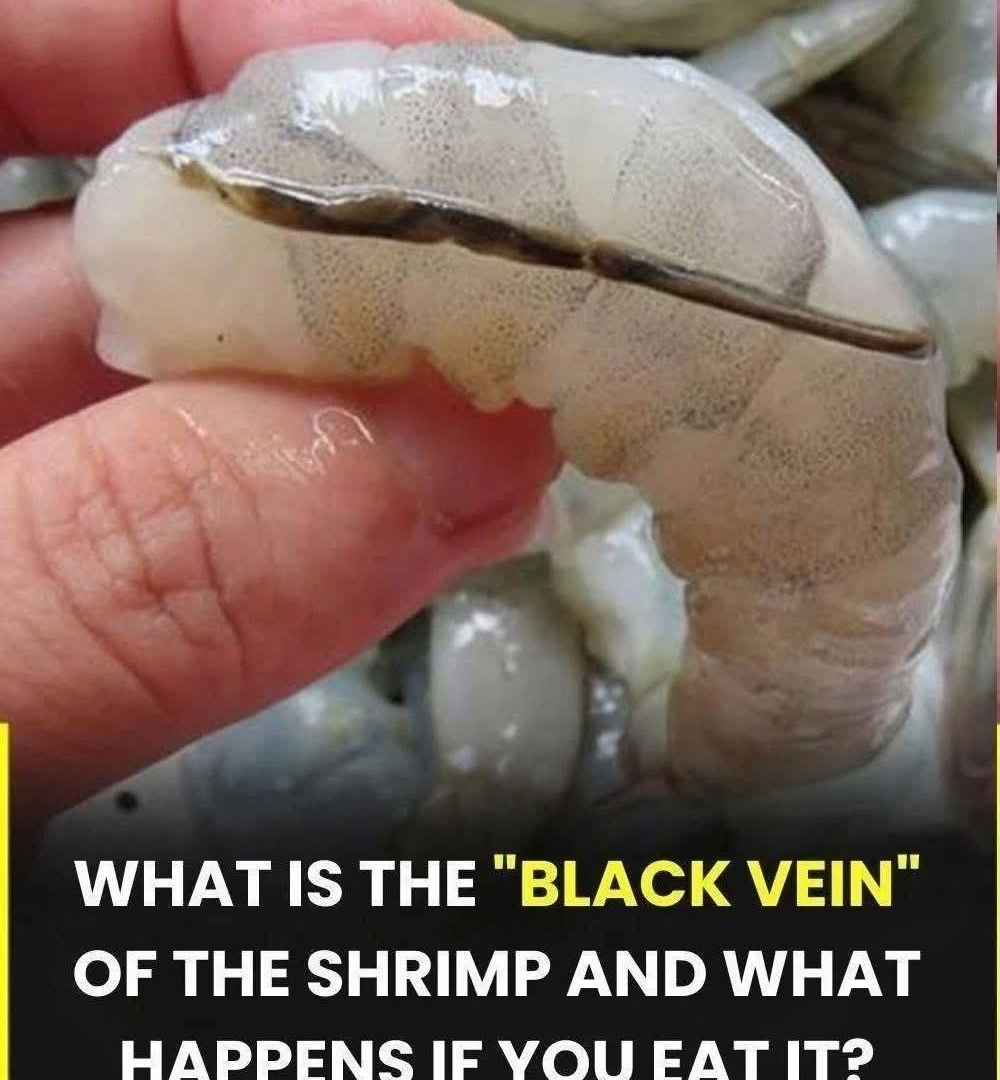
Few culinary sights are as familiar—or as misunderstood—as the dark line running along the curve of a raw shrimp. Home cooks and professional chefs alike have encountered this feature, often referring to it casually as the “vein” or the “sand vein.” Despite its ubiquity in kitchens worldwide, a surprising number of people misidentify its true nature, its function within the animal, and the implications of consuming it. The common misconception is that this line is part of the shrimp’s circulatory system, a vessel carrying blood. In reality, the truth is rooted in the anatomy of crustacean digestion, and understanding this distinction is the key to mastering shrimp preparation. This article explores the biological reality behind the black line, the debate over whether to remove it, and the practical techniques that separate a perfectly prepared shrimp dish from a gritty or bitter one. By the end, the mystery of the shrimp’s dorsal tract will be fully unraveled, transforming a routine kitchen task into an exercise in informed culinary precision.