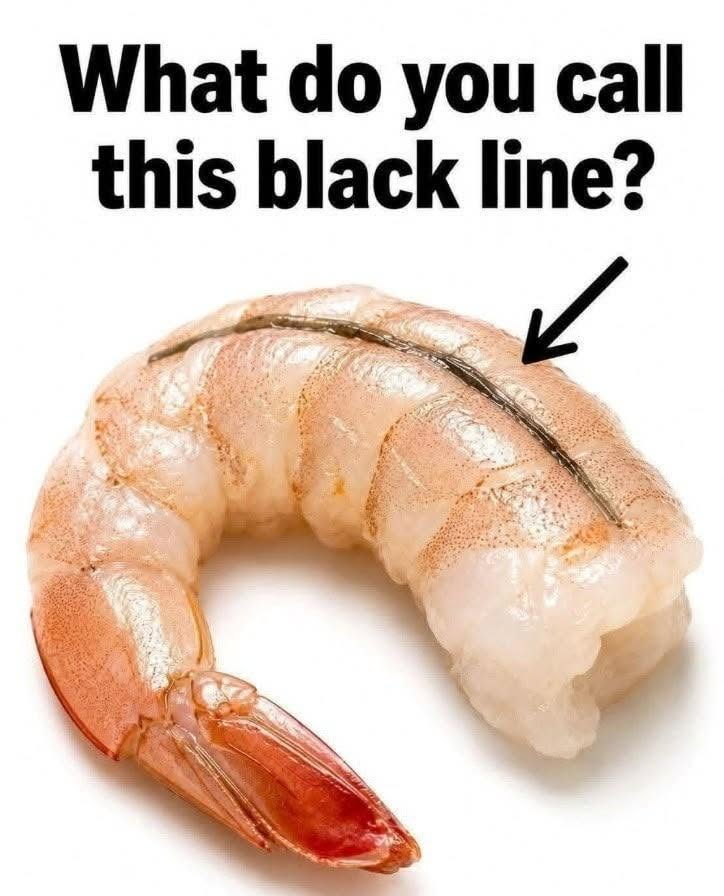
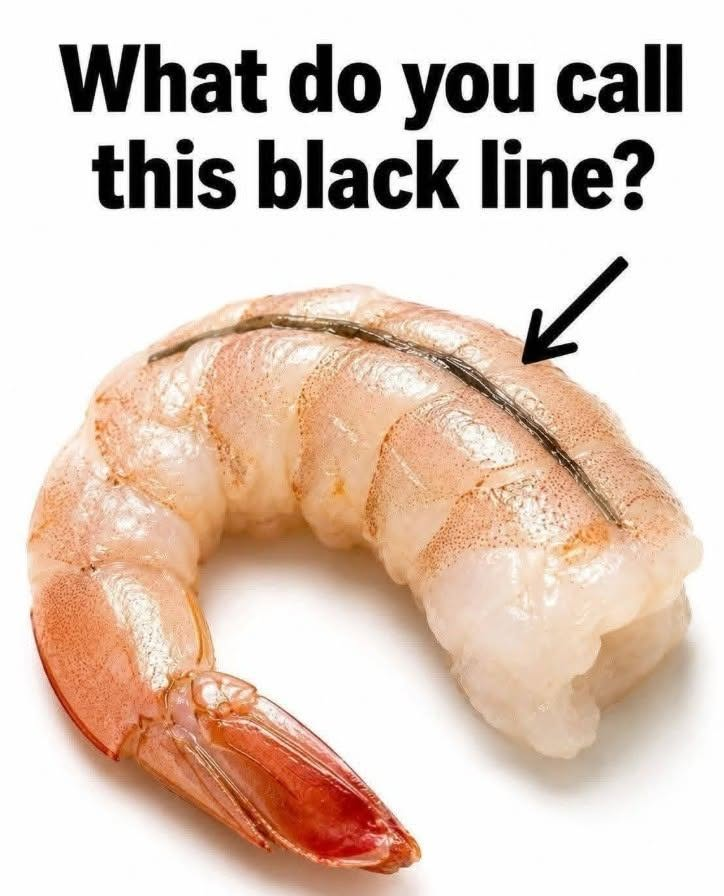
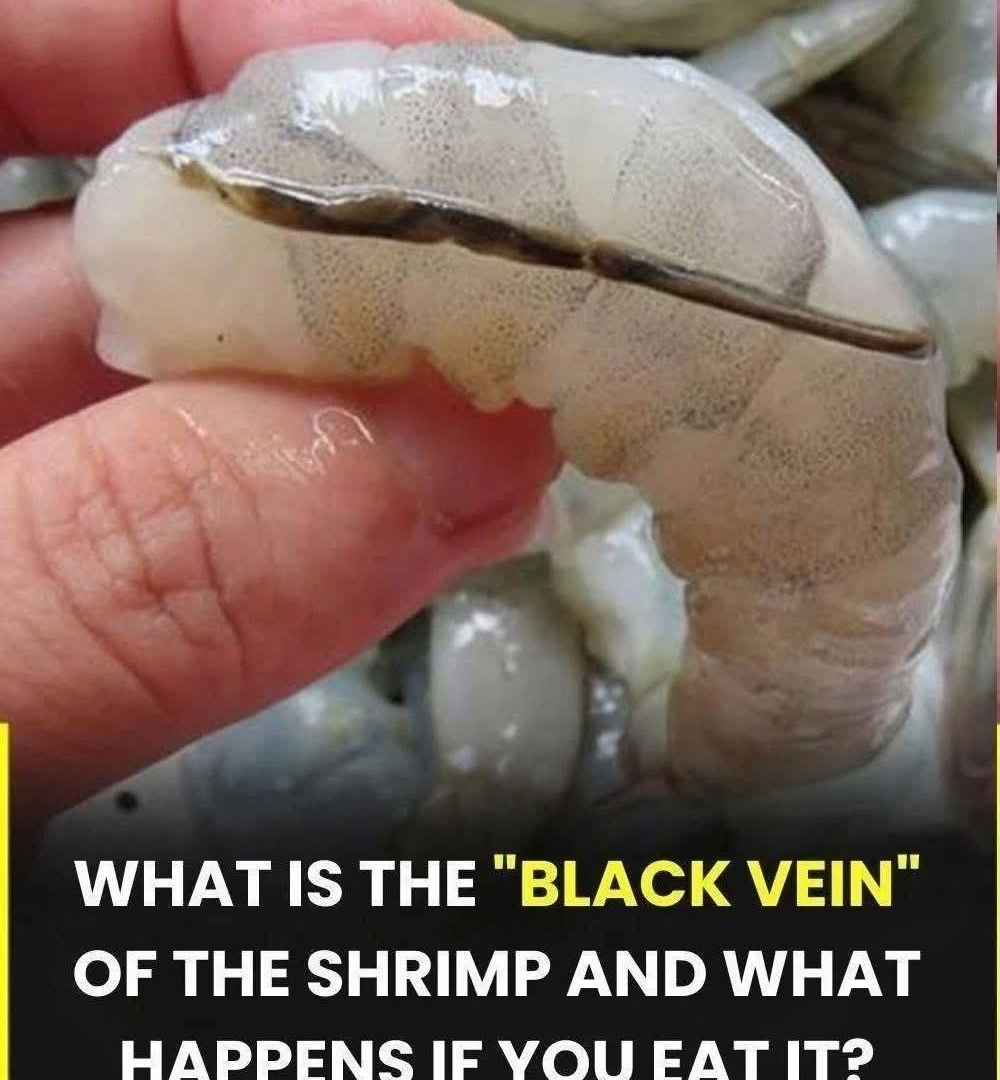
The term “vein” is a persistent misnomer that has shaped public perception for generations. In biological terms, a vein is a blood vessel that returns deoxygenated blood to the heart. Shrimp, however, possess an open circulatory system, and the dark line running along their back is not a blood vessel. It is, in fact, the shrimp’s digestive tract—specifically the hindgut and the structures associated with the stomach and intestine . The dark coloration is not blood but the accumulation of ingested material, including sediment, plankton, and organic debris from the shrimp’s benthic environment . Understanding this fundamental anatomical fact is the first step toward treating the ingredient with the correct culinary approach.
The Role of the Digestive System
The shrimp’s digestive system is a complex assembly designed for a bottom-dwelling lifestyle. The tract begins at the mouth and passes through a foregut, which includes the stomach, before transitioning into the midgut and finally the hindgut, terminating at the anus . The visible black line is primarily the hindgut, which functions as the final pathway for waste elimination. In well-fed shrimp, this tract can be visibly full, creating the dark, distinct line that prompts the question in the first place. The contents are a mixture of partially digested food and environmental grit, which explains the occasional sandy texture that diners find unpleasant.