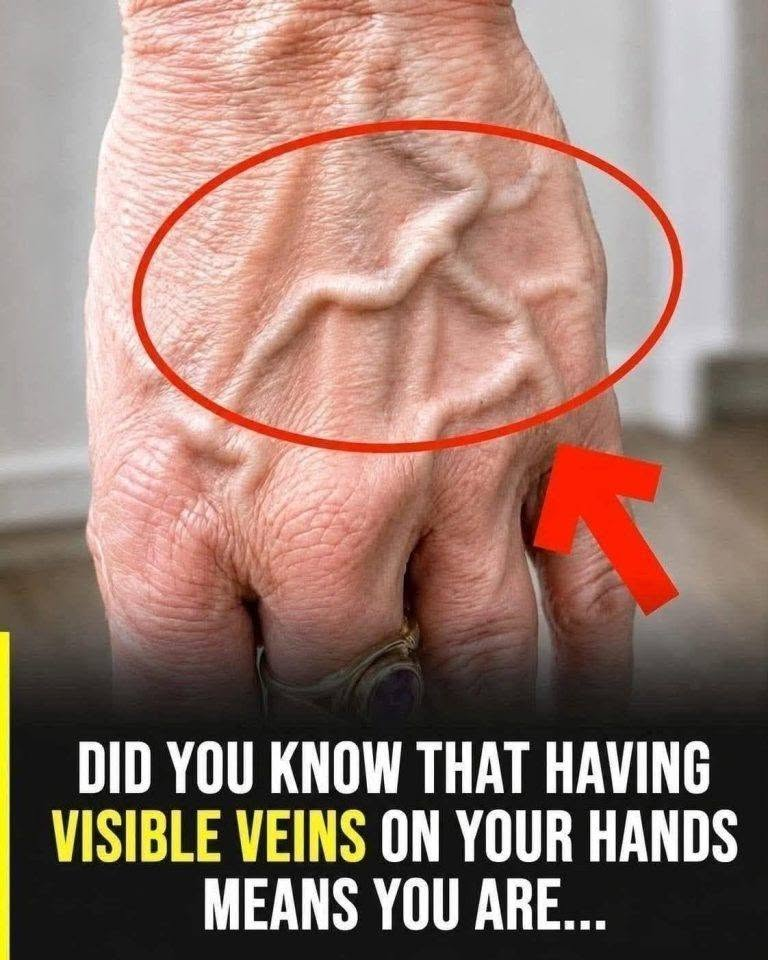
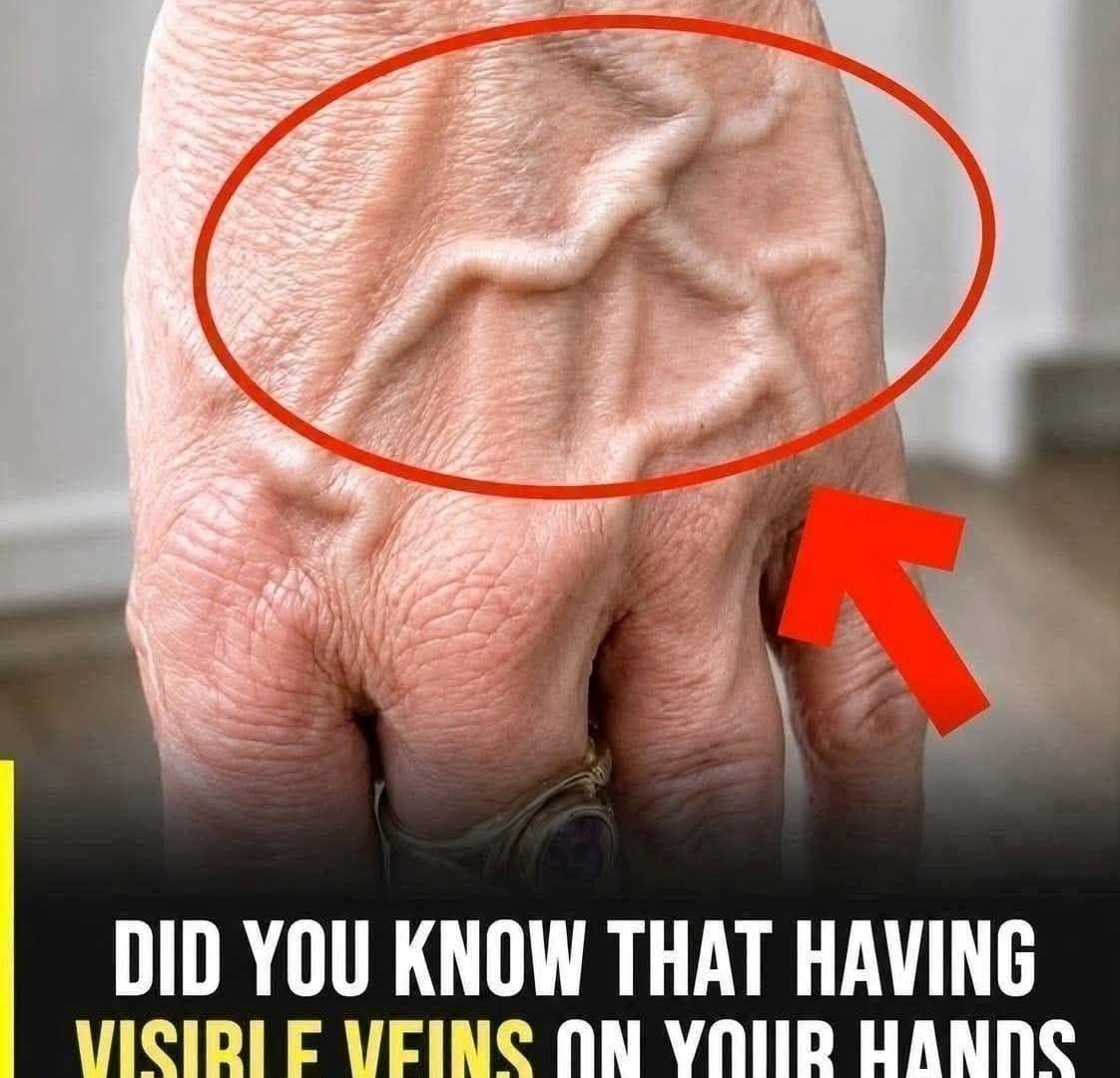
Veins are the blood vessels responsible for carrying deoxygenated blood back to the heart. Unlike arteries, which have thick muscular walls to handle high-pressure flow, veins have thinner walls and rely on valves and surrounding muscles to push blood upward. When veins become visible through the skin, it is usually because they have dilated slightly or because the layer of fat between the vein and the skin has thinned.
The color of visible veins—typically blue or green—is an optical illusion. Veins do not actually contain blue blood; the blood inside them is a dark red. The blue appearance is caused by the way light penetrates the skin and is absorbed and reflected by the blood and surrounding tissues. This phenomenon, known as Rayleigh scattering, is the same reason the sky appears blue. The depth of the vein and the melanin content of your skin also influence the perceived color, which is why veins appear more blue in fair-skinned individuals and may be less visible in those with darker skin tones.
The Role of Body Fat and Muscle
One of the most common reasons for visible veins, particularly on the arms, hands, and legs, is a low percentage of subcutaneous fat. Subcutaneous fat is the layer of fat just beneath the skin that insulates the body and provides a cushion for blood vessels. When this layer is thin, veins are closer to the surface and more likely to show through. This is why athletes, bodybuilders, and individuals with very low body fat often have highly visible veins—a condition sometimes referred to as vascularity.
Muscle mass also plays a role. When muscles are well-developed, they require more blood flow, which can cause veins to enlarge and become more prominent. Additionally, during exercise, blood flow increases to deliver oxygen and nutrients to working muscles, causing veins to bulge temporarily. This is a normal physiological response and is not a cause for concern.
Genetics and Age: The Uncontrollable Factors
Genetics play a significant role in how visible your veins are. Some people are simply born with veins that are closer to the skin’s surface or with thinner skin. Similarly, fair-skinned individuals may have more visible veins due to the contrast between the blueish vessels and their light complexion.
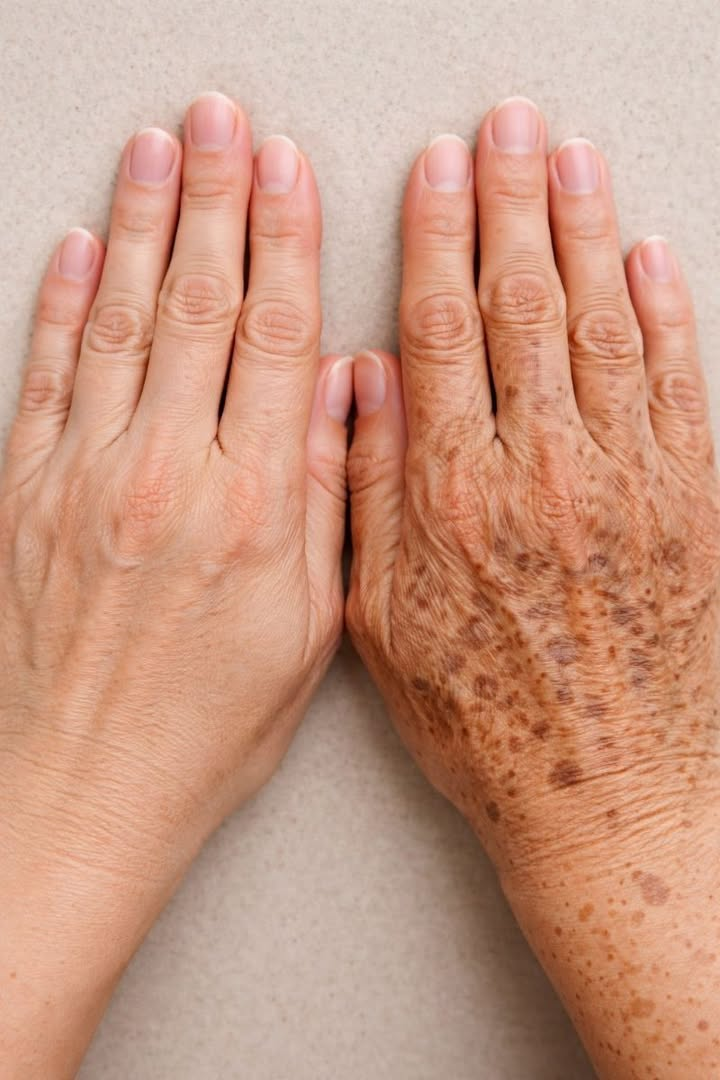
Age is another major factor. As we grow older, the skin loses collagen and elastin, becoming thinner and less elastic. The subcutaneous fat layer also diminishes, particularly in the hands and face. This natural aging process makes veins more prominent over time. While this is a normal part of aging, it can sometimes be a sign of underlying issues such as poor circulation or venous insufficiency.
Temperature and Hydration: Temporary Influencers
Environmental factors can cause veins to become temporarily visible. In hot weather, the body dilates blood vessels near the skin’s surface to release heat and cool down. This process, known as vasodilation, makes veins appear larger and more prominent. Conversely, in cold weather, blood vessels constrict to conserve heat, and veins may become less visible.
Hydration status also affects vein visibility. When you are dehydrated, blood volume decreases, and veins may flatten or become less visible. However, severe dehydration can cause veins to collapse, which is a medical emergency. Drinking adequate water helps maintain blood volume and vein health.