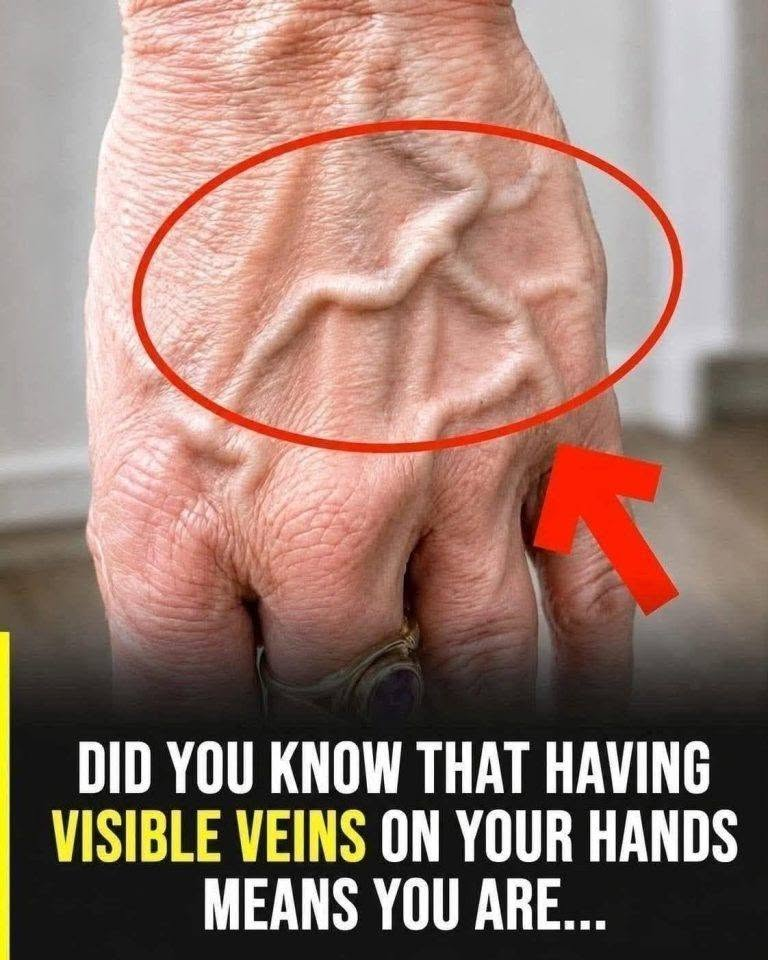
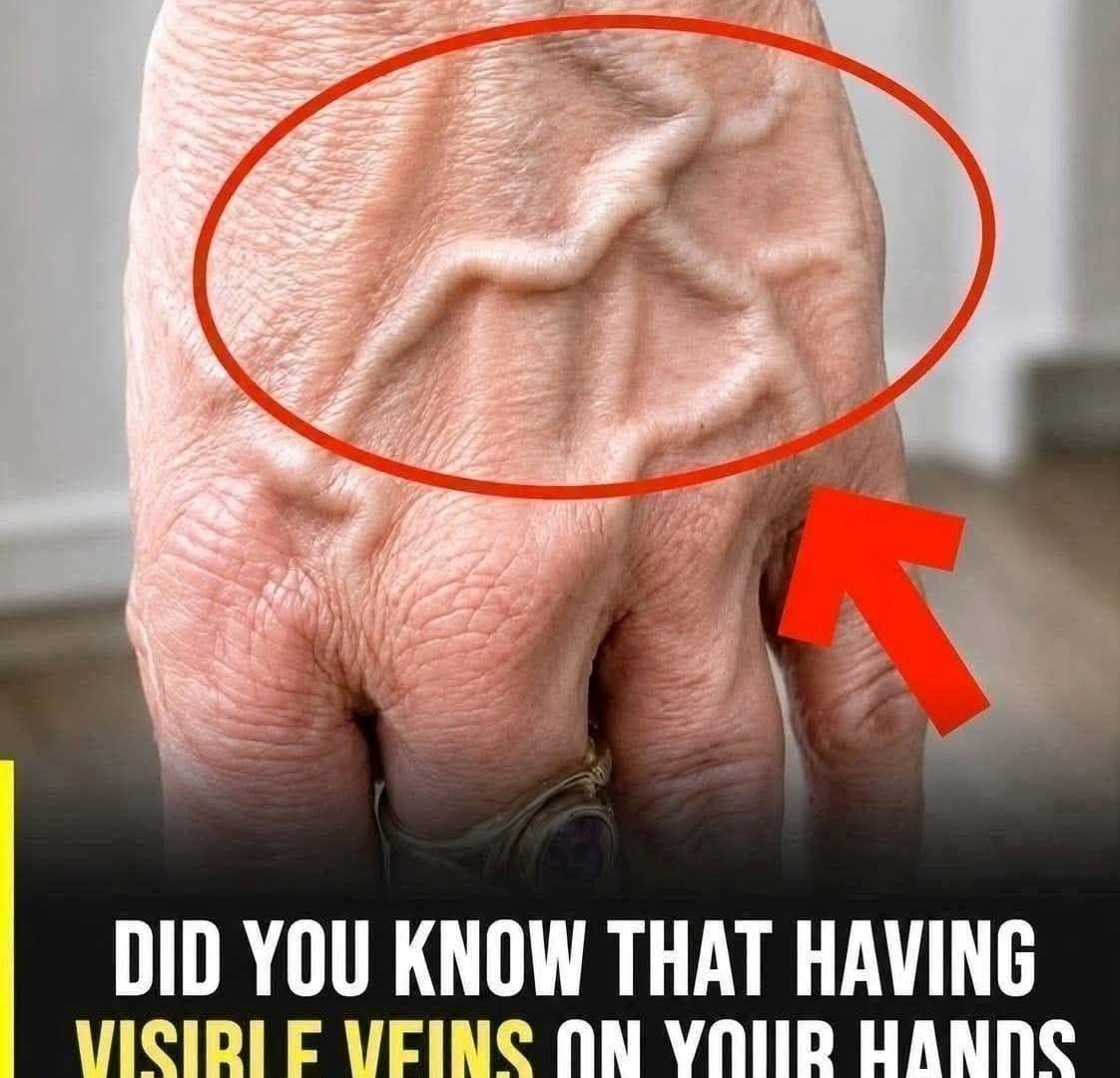
For many people, visible veins are a badge of honor. In the fitness community, prominent veins—particularly on the arms, shoulders, and legs—are often seen as a sign of low body fat and muscular development. Bodybuilders often aim for a “vascular” look, which is achieved through a combination of intense training, strict dieting, and sometimes dehydration before competitions. This type of vascularity is generally harmless and reversible.
However, it is important to note that visible veins do not necessarily indicate superior health. They are simply a reflection of body composition. A person with visible veins may be fit, but a person without visible veins may be equally healthy. Vascularity is a cosmetic characteristic, not a medical diagnosis.
When Visible Veins Are a Warning Sign
While most visible veins are benign, certain characteristics can indicate an underlying medical condition. Varicose veins are enlarged, twisted veins that often appear on the legs. They occur when the valves inside the veins fail, causing blood to pool and the veins to bulge. Varicose veins can be painful, cause a heavy or aching sensation in the legs, and may lead to skin changes or ulcers if left untreated.
Spider veins are smaller, web-like clusters of veins that appear near the surface of the skin. They are usually cosmetic and harmless, but they can sometimes be a sign of venous insufficiency. More concerning is deep vein thrombosis (DVT), a condition in which a blood clot forms in a deep vein, usually in the leg. DVT can cause swelling, pain, and redness in the affected limb and is a medical emergency because the clot can travel to the lungs and cause a pulmonary embolism.
Other warning signs include sudden swelling of a vein, redness, warmth, or tenderness around a vein, and veins that feel hard or cord-like. If you experience any of these symptoms, seek medical attention immediately.
The Role of Medical Evaluation
If you are concerned about the appearance of your veins, or if you experience pain, swelling, or changes in the skin around a vein, it is important to see a doctor. A vascular specialist can perform an ultrasound to assess blood flow and check for valve function. They can determine whether your visible veins are a normal variant or a sign of a condition like varicose veins, venous insufficiency, or DVT.
Treatment for problematic veins ranges from conservative measures—such as compression stockings, elevation, and exercise—to minimally invasive procedures like sclerotherapy, laser treatment, or vein stripping. These treatments can improve symptoms, reduce the appearance of veins, and prevent complications.
Conclusion
Having visible veins is a common and often harmless occurrence. It can be a sign of low body fat, muscular fitness, fair skin, or simply the natural aging process. For many, visible veins are a cosmetic feature that reflects an active lifestyle. However, it is essential to distinguish between benign vascularity and warning signs of underlying vascular disease. Varicose veins, spider veins, and DVT are conditions that require medical attention. If you notice sudden changes in your veins—such as swelling, pain, redness, or warmth—do not hesitate to consult a healthcare professional. Understanding your body and knowing when to seek help is the best way to maintain both your vascular health and your peace of mind.
Frequently Asked Questions
Does having visible veins mean I am healthy?
Not necessarily. Visible veins are often a sign of low body fat, muscular fitness, or fair skin. They can also be caused by aging, genetics, or temperature. While they are usually harmless, they are not a definitive indicator of overall health.
Why do my veins suddenly become more visible?
Veins can become more visible due to changes in temperature (heat causes vasodilation), hydration status, exercise, or changes in body fat. If the change is sudden and accompanied by pain, swelling, or redness, seek medical advice.
Are visible veins a sign of low body fat?
Yes, a low percentage of subcutaneous fat is one of the most common reasons for visible veins. This is why athletes and bodybuilders often have prominent veins.
Can visible veins be a sign of a medical condition?
Yes. Varicose veins, spider veins, and deep vein thrombosis (DVT) are conditions that can cause visible veins. Warning signs include pain, swelling, redness, warmth, and veins that feel hard or cord-like.
Why are veins blue?
Veins appear blue because of the way light penetrates the skin and is absorbed and reflected by the blood and surrounding tissues. The blood inside veins is actually dark red.
Do visible veins mean poor circulation?
Not always. Visible veins can be normal, especially in fit individuals. However, if they are accompanied by symptoms like swelling, pain, or skin changes, they may indicate poor circulation or venous insufficiency.
Can visible veins be treated?
Yes. Cosmetic treatments like sclerotherapy and laser therapy can reduce the appearance of veins. Medical treatments for conditions like varicose veins include compression stockings, minimally invasive procedures, and surgery.
When should I see a doctor about my veins?
See a doctor if you experience pain, swelling, redness, warmth, or tenderness around a vein, or if a vein suddenly becomes hard or cord-like. These can be signs of DVT or other vascular conditions.