What Cut of Meat Is This? Identifying Oxtail and How to Cook It
Oxtail is one of the most distinctive cuts of beef, valued for its rich flavor, gelatinous texture, and exceptional performance in slow-cooked dishes. Despite its name, modern oxtail generally refers to the tail of cattle, rather than specifically that of an ox.
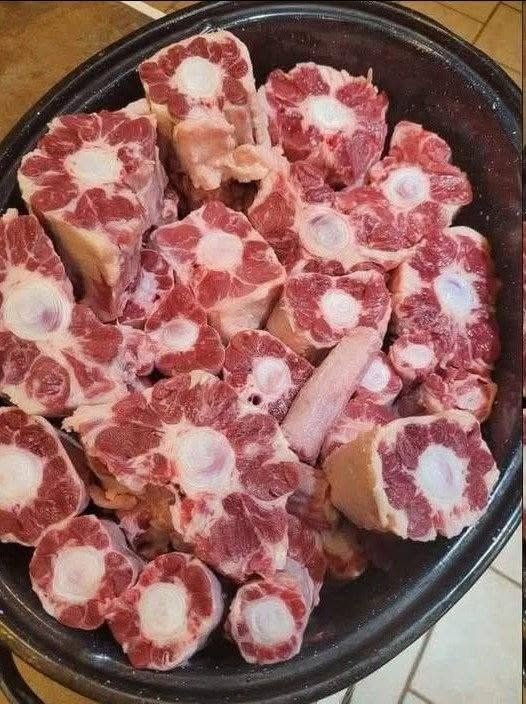
Recognizable by its segmented, bone-in appearance, oxtail may not contain as much meat as more conventional beef cuts, but its high proportion of connective tissue and bone makes it particularly well suited to slow cooking.
What Exactly Is Oxtail?
Oxtail comes from the tail of cattle and is naturally divided into several thick, round sections. Each piece contains a central bone surrounded by meat, fat, and connective tissue.
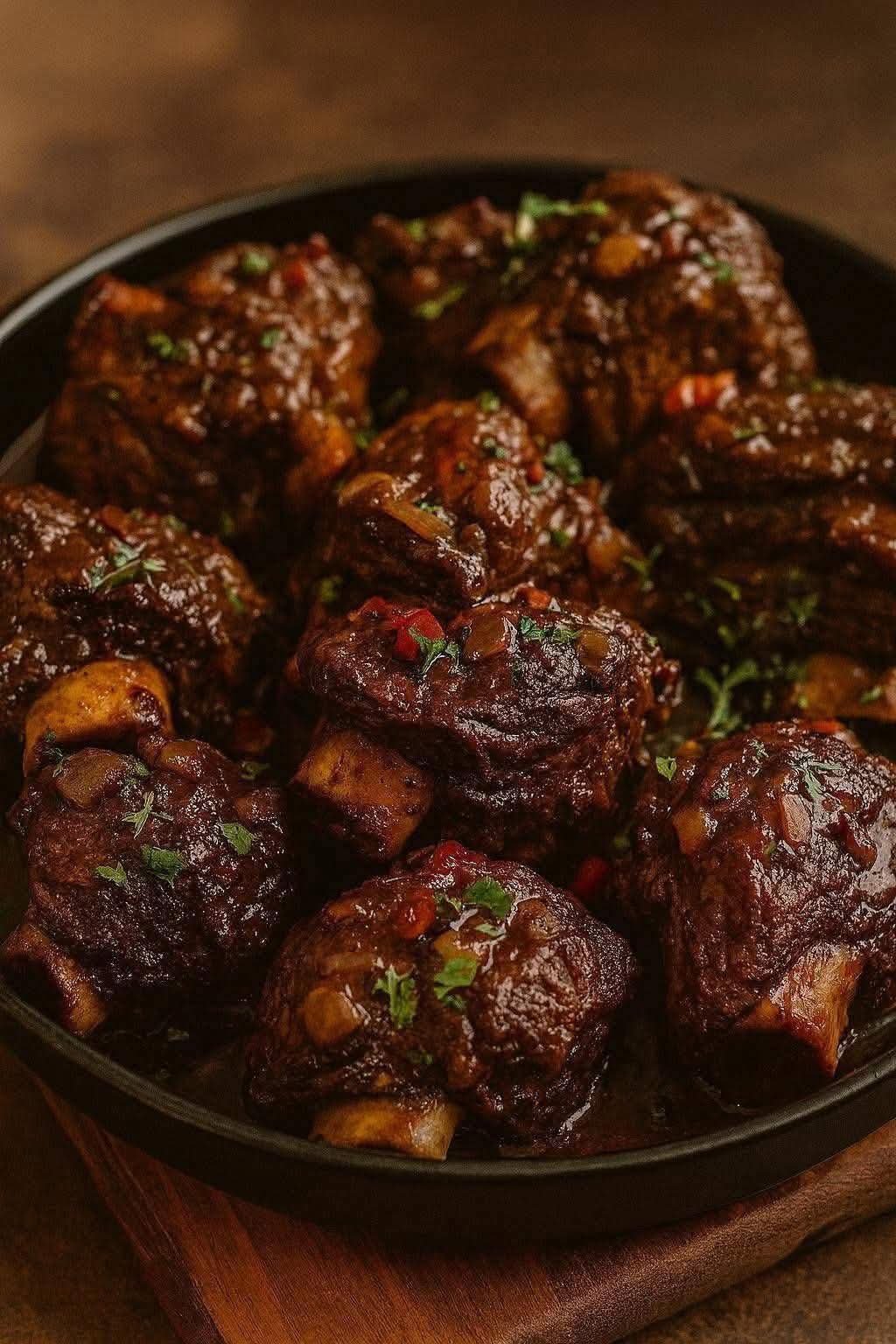
Because the tail is a muscular part of the animal, the meat can be quite firm when cooked quickly. However, prolonged, gentle cooking transforms it into exceptionally tender meat while releasing flavor and gelatin into the surrounding broth.
This makes oxtail particularly valuable for soups, stews, braises, and rich sauces.
Why Is Oxtail So Flavorful?
The distinctive quality of oxtail comes largely from its bones and connective tissue. During slow cooking, collagen gradually breaks down into gelatin, producing a broth with a rich body and silky texture.
The meat itself becomes tender and deeply flavored, while the cooking liquid develops a concentrated, savory character.
For this reason, oxtail is often chosen when the goal is to create a substantial, full-bodied dish rather than a quick meal.
How to Choose Oxtail
When purchasing oxtail, look for pieces with a good balance of meat, bone, and connective tissue. The meat should have a fresh appearance, while the fat should look clean rather than excessively discolored.
The pieces are often sold already cut into sections. Larger sections may require longer cooking, while smaller pieces can be easier to portion and serve.