The fundamental challenge in managing high cholesterol is that the condition is defined by a blood measurement, not a physical sensation. The Centers for Disease Control and Prevention (CDC) explicitly states that high cholesterol has no symptoms, meaning that many individuals remain unaware of their risk until a catastrophic event, such as a heart attack or stroke, occurs . This silence occurs because cholesterol is a waxy, fat-like substance essential for building cells and producing hormones. Problems arise only when excess LDL cholesterol circulates in the blood and begins to infiltrate the arterial lining. This process, known as atherosclerosis, is a slow, inflammatory cascade that narrows arteries over decades. Because the arterial walls lack pain receptors for this specific type of internal buildup, the body does not send out alarm signals like pain or discomfort during the early and middle stages of plaque formation .
The Danger of Waiting for Symptoms
Relying on physical symptoms to detect high cholesterol is a dangerous strategy. The American Heart Association emphasizes that for many people, the first sign of high cholesterol is a heart attack or stroke . When a plaque ruptures, a blood clot forms that can suddenly block blood flow to the heart or brain, leading to emergency situations. Therefore, the absence of symptoms does not equate to the absence of disease. The only reliable way to know if cholesterol is too high is through a simple blood test, typically a lipid panel, which measures total cholesterol, LDL, HDL, and triglycerides . Health authorities recommend regular screening because early detection allows for lifestyle interventions or medication before the silent damage becomes irreversible.
When Cholesterol Leaves a Visible Mark: Xanthomas and Xanthelasmas
Understanding Cholesterol Deposits
While the tongue protrusion in the source image is not a medically recognized sign of high cholesterol, there are specific, visible skin manifestations associated with severely elevated lipid levels. These are known as xanthomas. Xanthomas are localized deposits of cholesterol-rich foam cells within the skin, tendons, or other tissues . They occur when the transport of lipids is overwhelmed, leading to the extravasation of LDL cholesterol into the dermis where macrophages engulf the excess fat, forming yellowish, waxy-looking bumps or plaques . The CDC notes that while usually absent, some individuals with high cholesterol do develop these yellowish growths, which serve as a physical clue to an underlying metabolic issue .
Types and Locations of Xanthomas
The appearance and location of xanthomas can provide specific clues about the type of lipid disorder present.
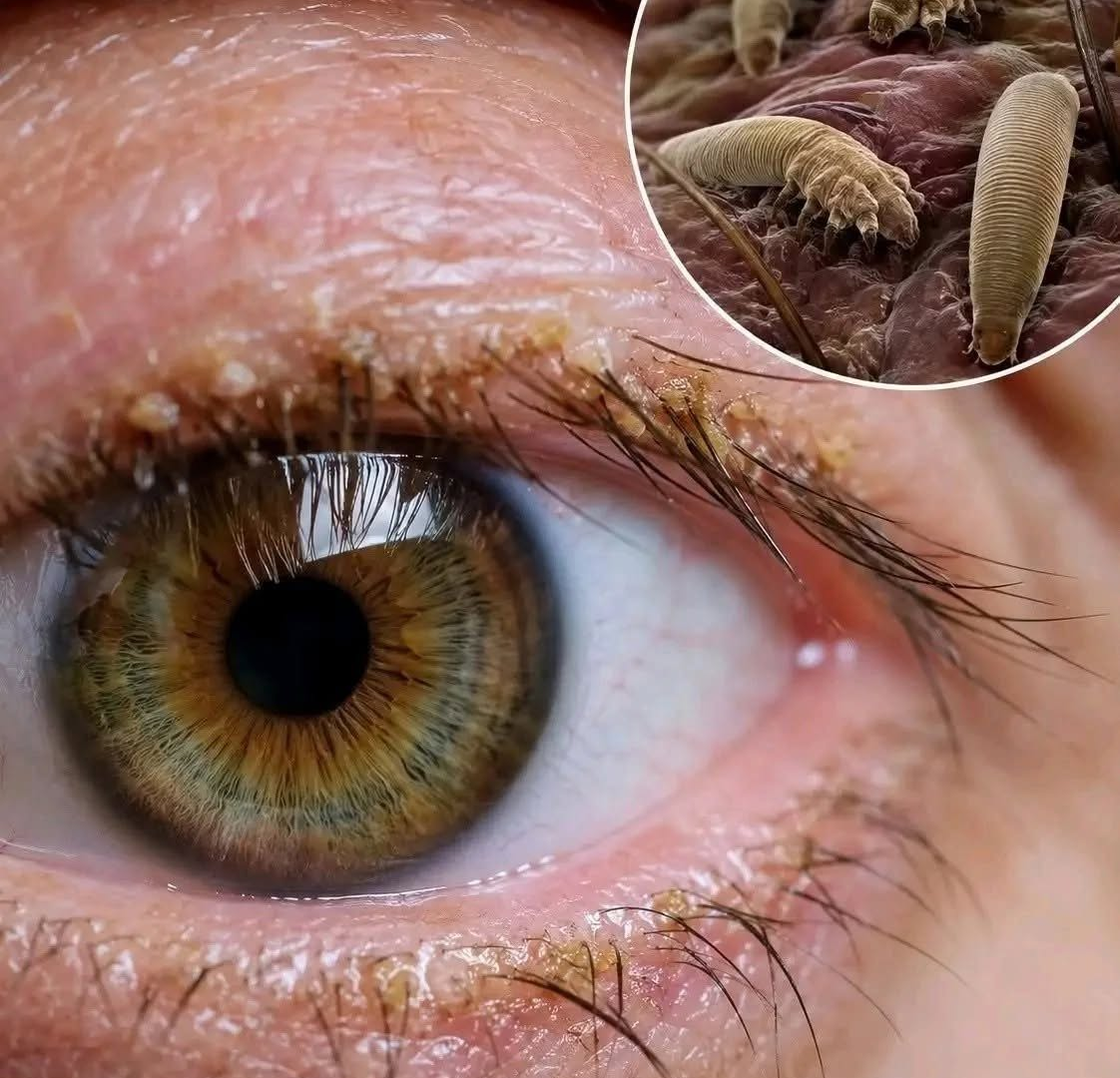
Xanthelasma Palpebrarum: This is the most common form, presenting as soft, yellowish plaques on or around the eyelids. Although sometimes considered cosmetic, recent studies link xanthelasma to an increased risk of atherothrombotic disease independent of other risk factors .
Tendinous Xanthomas: These appear as nodules within the tendons, most commonly the Achilles tendon or the tendons of the hands. They are strongly associated with familial hypercholesterolemia, a genetic condition causing very high LDL levels from birth. The presence of tendinous xanthomas in these patients indicates a significantly higher risk for cardiovascular disease .
Tuberous Xanthomas: These are firm, painless nodules found on pressure points like the elbows, knees, and heels, often seen in genetic hypercholesterolemia .
The Rare Genetic Warning: Familial Hypercholesterolemia
Recognizing the Inherited Risk
The image’s implication of a severe, visible symptom aligns best with the rare genetic condition known as Familial Hypercholesterolemia (FH). FH affects cholesterol metabolism from birth, leading to extremely high LDL levels that accumulate rapidly. In severe cases, particularly a rare form called Homozygous FH (HoFH), physical symptoms appear early in life . These individuals may exhibit cholesterol deposits under the eyes, around the knuckles, or in the Achilles tendons. Another distinctive sign is the appearance of a white, grey, or yellow ring around the outer edge of the cornea, known as arcus corneae, which can occur in younger individuals with FH . Recognizing these physical signs is critical because it prompts early genetic testing and aggressive treatment to prevent early heart attacks.