Secondary Symptoms: When Cholesterol Causes a Crisis
The Shift from Silent to Symptomatic
When high cholesterol eventually produces symptoms, it is typically because the disease process has progressed to the point where blood flow is significantly compromised. These are not symptoms of the cholesterol itself, but symptoms of the resulting cardiovascular disease. The CardioSmart initiative from the American College of Cardiology explains that symptoms usually occur only when there is a large blockage or when the blood supply to the heart or brain is slowed or blocked . Therefore, understanding the warning signs of compromised blood flow is essential for anyone who may have undiagnosed high cholesterol.
Recognizing Cardiovascular Warning Signs
The symptoms of a cholesterol-related blockage can vary depending on the affected organ.
Angina (Chest Pain): When arteries supplying the heart are narrowed, physical exertion may cause chest pain, pressure, or tightness. This is a critical warning sign that the heart is not getting enough oxygen .
Heart Attack Symptoms: If a plaque ruptures and completely blocks a coronary artery, a heart attack occurs. Symptoms include severe chest pain that may radiate to the jaw, neck, arms, or back, along with shortness of breath, nausea, sweating, and lightheadedness . It is important to note that silent heart attacks can occur, particularly in people with diabetes or the elderly, presenting only as fatigue or breathlessness .
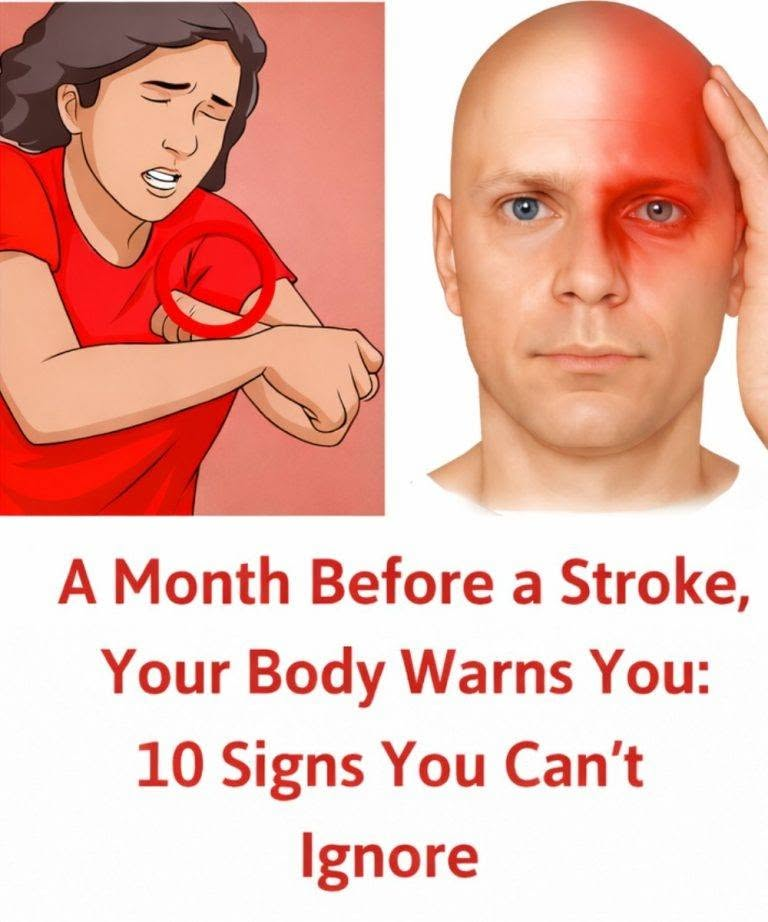
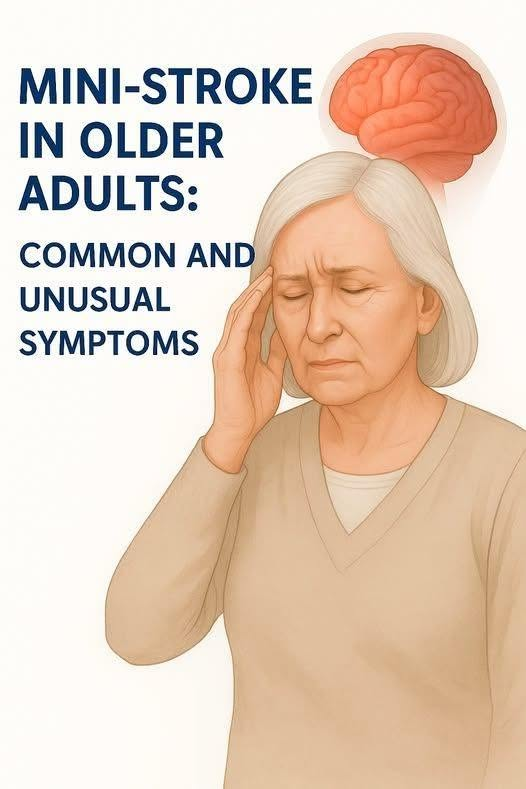
Stroke Symptoms: If a blockage occurs in an artery supplying the brain, it causes a stroke. This can manifest as sudden weakness or numbness in the face or limbs (especially on one side), confusion, trouble speaking, or vision changes. These are medical emergencies requiring immediate attention.
Debunking Myths: The Tongue and Other Misconceptions
Analyzing the Image’s Claim
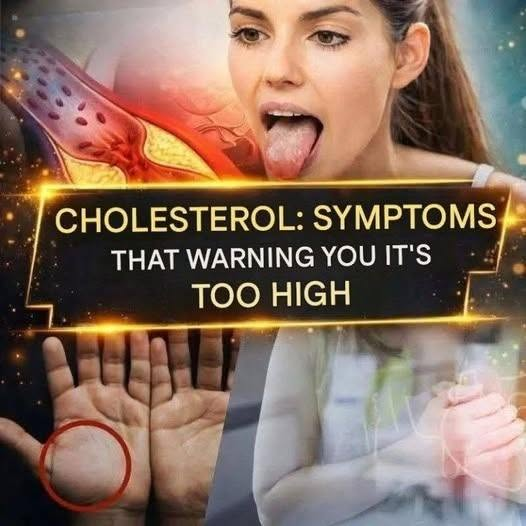
The central image of a woman sticking out her tongue, paired with text about cholesterol symptoms, may inadvertently promote a misconception. There is no established medical evidence linking the visual appearance of a normal tongue to high cholesterol. While severe vitamin deficiencies or certain infections can change the tongue’s texture or color, hypercholesterolemia does not. The image likely serves as a sensationalized visual hook rather than a medically accurate representation of a symptom. It is crucial for readers to differentiate between such imagery and evidence-based medicine. The real “warning” is not on the tongue but in the arteries and, for some, on the skin or tendons.
The Role of Blood Tests
Because physical signs are either absent or indicative of advanced or genetic disease, the lipid panel remains the gold standard for diagnosis. The CDC recommends that adults have their cholesterol checked at least every five years . For those with a family history of early heart disease or genetic conditions like FH, screening should begin earlier and be more frequent. A blood test provides concrete numbers: total cholesterol, LDL (“bad”) cholesterol, HDL (“good”) cholesterol, and triglycerides. Knowing these numbers allows individuals and their doctors to calculate the risk of cardiovascular events and decide on appropriate interventions, ranging from dietary changes to statin therapy.
Conclusion
The quest for physical symptoms of high cholesterol is often a search for a phantom. As established by major health organizations, hypercholesterolemia is fundamentally asymptomatic until it culminates in cardiovascular disaster . The image presented in the source material, while compelling, risks misleading readers into looking for signs like a swollen tongue that have no medical basis. However, the underlying concern—the desire for an early warning—is valid. The true warning signs are twofold: the silent accumulation of plaque detectable only through blood tests, and the rare but visible cholesterol deposits like xanthomas, particularly in genetic cases. Relying on physical sensations to gauge heart health is a gamble that millions lose each year. The most responsible action is not to examine one’s tongue in the mirror, but to schedule a lipid panel. Early detection through simple blood work remains the most powerful tool in preventing the devastating consequences of high cholesterol, transforming a silent threat into a manageable condition.
Frequently Asked Questions
1. Can high cholesterol cause a white coating on the tongue? No, there is no scientific evidence linking high cholesterol to a white coating on the tongue. A white tongue is more commonly associated with poor oral hygiene, dehydration, smoking, or fungal infections like oral thrush. High cholesterol is a silent condition in the bloodstream and does not manifest on the tongue’s surface.
2. What are the yellow bumps sometimes seen on the skin of people with high cholesterol? These are called xanthomas. They are deposits of cholesterol-rich material under the skin. They can appear as soft, yellow plaques on the eyelids (xanthelasma) or as firm nodules on tendons (like the Achilles) or pressure points (like elbows and knees) . Their presence warrants a medical evaluation for lipid disorders.
3. If I have no symptoms, how often should I get my cholesterol checked? The CDC recommends that most healthy adults get their cholesterol checked every 4 to 6 years . However, if you have risk factors such as a family history of heart disease, diabetes, high blood pressure, or if you smoke, your doctor may recommend more frequent testing.
4. Can a person with high cholesterol feel tired or fatigued? Fatigue is not a direct symptom of high cholesterol. However, if high cholesterol has led to significant arterial narrowing (atherosclerosis), it can cause fatigue due to reduced blood flow to the heart and muscles, especially during physical activity. This would typically be accompanied by other symptoms like shortness of breath or chest discomfort.
5. What is the difference between “good” and “bad” cholesterol? LDL (low-density lipoprotein) is often called “bad” cholesterol because high levels can lead to plaque buildup in arteries. HDL (high-density lipoprotein) is known as “good” cholesterol because it helps carry LDL cholesterol away from the arteries and back to the liver for disposal . A healthy lipid profile includes low LDL and high HDL.
6. Does high cholesterol always lead to heart disease? High cholesterol is a major risk factor for heart disease, but it does not guarantee that you will have a heart attack or stroke. Other factors, including genetics, blood pressure, smoking, diabetes, and lifestyle, also play significant roles. Managing cholesterol through diet, exercise, and medication can significantly reduce the risk.
7. Are there any other physical signs of high cholesterol besides skin bumps? In rare genetic cases (familial hypercholesterolemia), a person may develop arcus corneae, which is a white or grey ring around the colored part of the eye (iris) . This is more common in older adults but can appear in younger people with severe genetic cholesterol disorders.
8. Can children have high cholesterol? Yes, children can have high cholesterol, particularly if they have a genetic condition like familial hypercholesterolemia or if they have obesity or a poor diet. The American Academy of Pediatrics recommends cholesterol screening for children between ages 9 and 11, and again between 17 and 21.
9. What is a dangerous cholesterol level? According to the CDC, a total cholesterol level of 240 mg/dL or higher is considered high . However, LDL levels are more specifically predictive of risk. An LDL level of 160-189 mg/dL is considered high, and 190 mg/dL or higher is very high. Optimal LDL is generally considered to be below 100 mg/dL, though targets may vary based on individual risk factors.
10. If high cholesterol has no symptoms, why does it matter? It matters because high cholesterol is a primary driver of atherosclerosis, the hardening and narrowing of arteries. This process can lead to heart attacks, strokes, and peripheral artery disease. Because there are no symptoms, regular blood testing is the only way to identify the risk and take action to prevent these life-threatening events .