Can This Homemade Powder Really Whiten Teeth and Remove Tooth Decay?
What About Baking Soda?
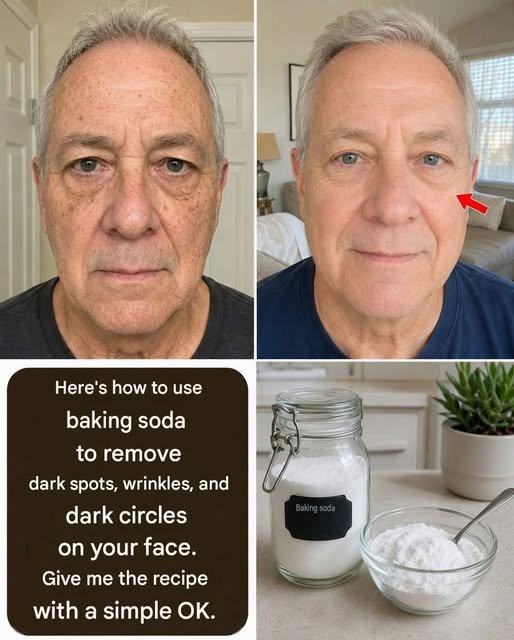
Baking soda is sometimes included in viral teeth-whitening recipes, and there is an important distinction here.
Sodium bicarbonate is used in some professionally formulated toothpastes, and baking-soda-containing dentifrices can help with certain surface-stain and plaque-related functions. (Ada)
That does not mean rubbing loose baking soda or an unidentified homemade powder aggressively onto your teeth will safely whiten them or repair cavities.
The American Dental Association notes that evidence for DIY or “natural” whitening methods is limited, and some abrasive homemade approaches can damage tooth surfaces. (Ada)
Can a Powder Repair Cavities?
This is the most important point.
No homemade powder can rebuild a tooth that has already developed a cavity.
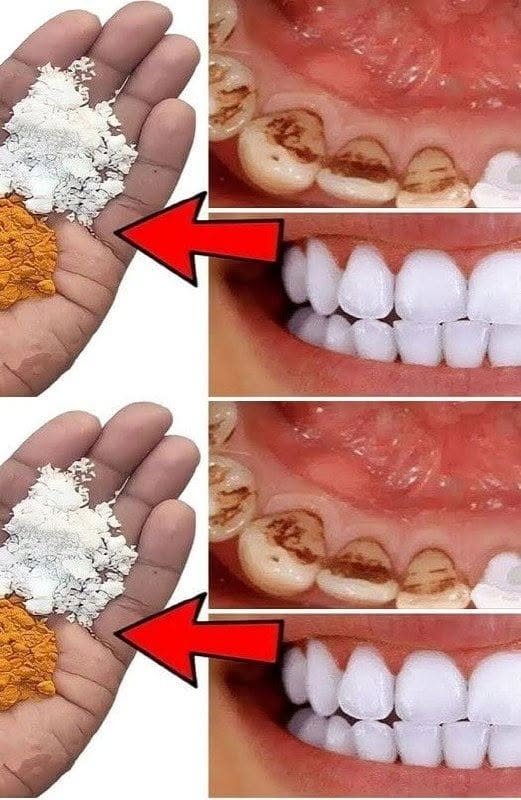
A dark or brown area may sometimes be a stain, but it can also indicate tooth decay. Only a dental examination can determine what is actually happening.
If decay has progressed, treatment may involve removing damaged tissue and restoring the tooth. Leaving suspected decay untreated can allow the problem to become more serious.
What Actually Helps Keep Teeth Clean?
For everyday prevention, established dental-care practices are much more reliable:
Brush twice a day for about two minutes with fluoride toothpaste.
Clean between the teeth daily using floss or an appropriate interdental cleaner.
Avoid aggressively scrubbing the teeth with abrasive household powders.
Limit frequent exposure to sugary foods and drinks.
Have dental checkups when recommended.
Get professional cleaning when tartar has accumulated.
These measures help control plaque and reduce the risk of gum disease and tooth decay. (nhs.uk)
What If Your Teeth Are Yellow or Stained?
Not every yellow tooth is unhealthy. Tooth color naturally varies, and aging can make teeth appear darker.
Surface stains can come from substances such as coffee, tea, tobacco, and other strongly colored foods and drinks. Professional cleaning may improve some surface discoloration, while genuine whitening treatments work differently. (Ada)
Professional or dentist-supervised whitening generally uses peroxide-based products rather than an unknown household mixture. Temporary sensitivity and gum irritation can occur, so whitening should be approached carefully. (nhs.uk)
When Should You See a Dentist?
Don’t rely on a viral remedy if you notice:
Brown or black spots that persist
A visible hole or pit in a tooth
Toothache or sensitivity
Bleeding or swollen gums
Bad breath that doesn’t improve with normal cleaning
Loose or broken teeth
Significant tartar around the gumline
A dentist can determine whether you’re dealing with staining, tartar, decay, gum disease, or another dental problem.
Final Thoughts
The dramatic before-and-after effect in images like this can make a homemade tooth powder look like a miracle solution. But there is no reliable evidence from this image alone that the powder can remove cavities or safely transform damaged teeth.
A healthy, brighter smile is much better approached through fluoride toothpaste, daily cleaning between the teeth, professional dental care when needed, and evidence-based whitening methods when appropriate.
When a dental problem is visible, treating the cause is far more important than trying to cover it up with a homemade remedy.