Don’t Get Fooled by the Supermarket: What You Should Know About the Meat You Buy
Walking through the supermarket meat aisle can make it seem like every package tells the complete story. But labels, packaging, and unfamiliar terms can sometimes leave shoppers wondering exactly what they’re buying.
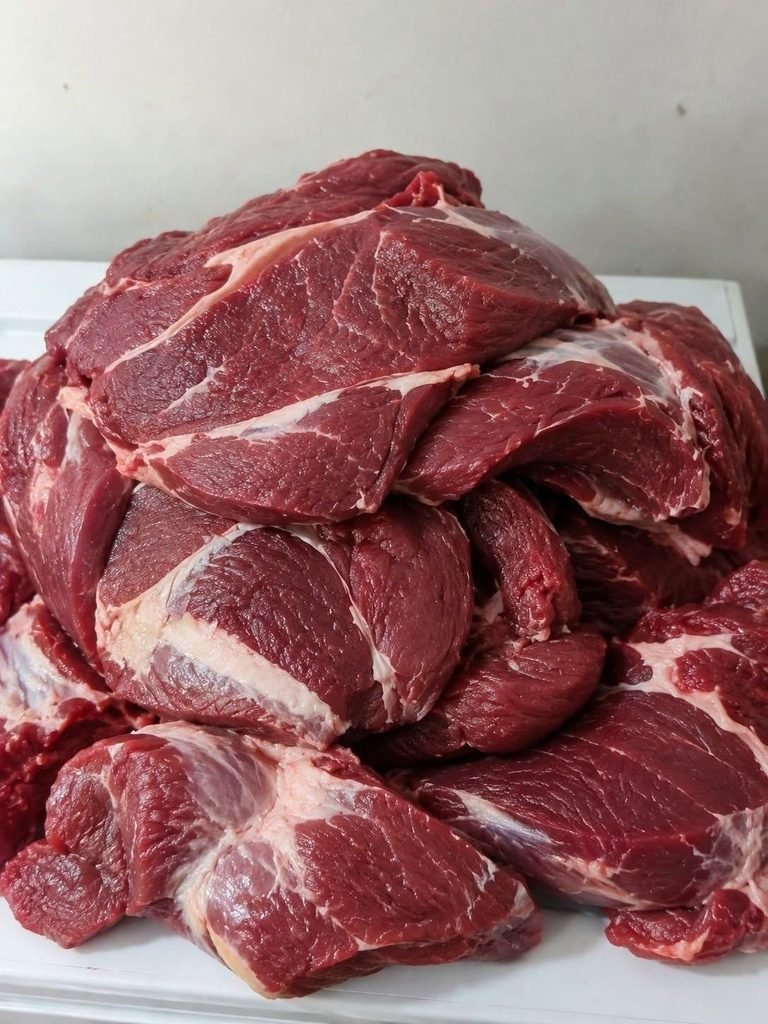
One viral claim says supermarkets are secretly selling consumers meat from unexpected or questionable sources. That kind of headline is often designed to create fear rather than provide useful information.
Instead of believing a dramatic claim, it’s better to understand what meat labels actually tell you.
Start With the Label
When buying meat, look for information such as:
The type of meat
The cut
Country or place-of-origin information where applicable
The sell-by or use-by date
Storage instructions
Inspection or quality information
Whether the product has been processed or seasoned
If a package contains multiple ingredients, check the ingredient list rather than relying only on the large wording on the front.
What Does “Mechanically Separated” Mean?
Some processed meat products may use mechanically separated meat.
This doesn’t mean the meat is fake. It refers to meat that is recovered from bones using mechanical processes after conventional cutting.
Such products are regulated and must be labeled according to applicable food-safety rules.
What About “Water Added”?
Some meat products may contain added water or other ingredients.
That’s another reason to read the label carefully. If you’re comparing two packages, don’t look only at the price per package—consider the price per pound or kilogram and the ingredients.
How to Choose Fresh Meat
When shopping, pay attention to the package condition and storage.
Choose packages that are properly refrigerated and intact. Avoid meat packages that are leaking, badly damaged, or visibly compromised.
Once you bring meat home, refrigerate it promptly and follow safe cooking and storage practices.
Don’t Let a Viral Headline Make the Decision for You
Posts that say “They’re selling you meat from…” without identifying a verifiable source should immediately make you cautious.
Food labeling regulations exist precisely so consumers can get important information about what they’re purchasing.
If something about a package seems unusual, check the actual label and look for information from the relevant food-safety authority rather than relying on a sensational social-media post.
The Bottom Line
You don’t need to be afraid of the supermarket meat aisle—but you should be an informed shopper.
Read the label, compare ingredients and prices, check dates and packaging, and use reputable food-safety information when something seems confusing.
A shocking headline isn’t evidence. The label and reliable food-safety information are much better places to start.