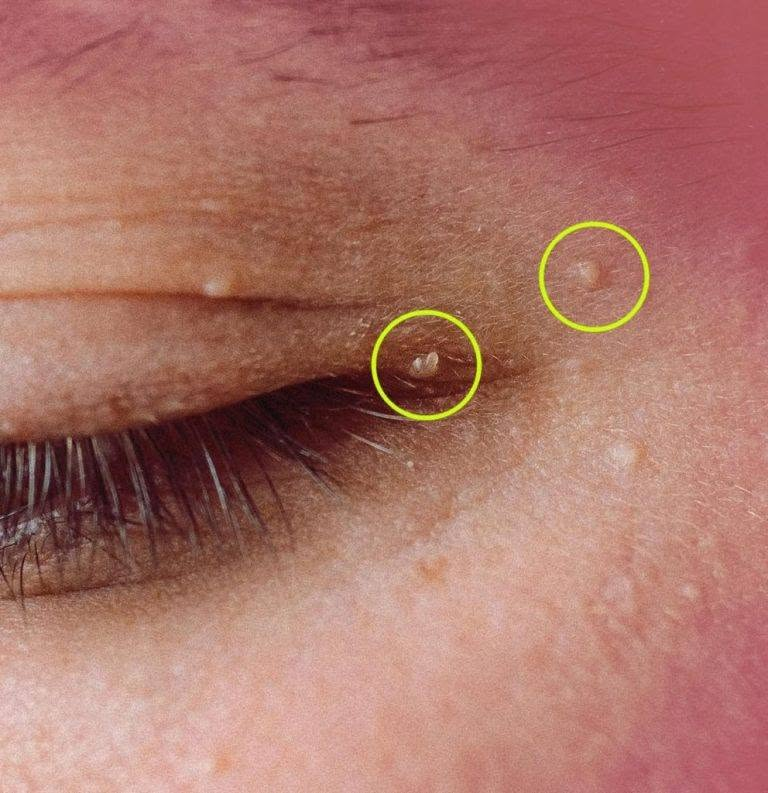
For those dealing with occasional, minor milia, gentle at-home management can help prevent new formations and support the skin’s natural exfoliation process. The cornerstone of prevention is a consistent skincare routine that promotes cell turnover. Using a mild chemical exfoliant, such as a product containing salicylic acid or glycolic acid, can help dissolve the “glue” that holds dead skin cells together, preventing them from becoming trapped. However, these acids should be used cautiously around the eyes; a gentle, low-concentration formula is essential. Retinoids, derived from vitamin A, are another powerful tool for accelerating cell turnover and preventing the buildup of keratin. It is also crucial to avoid heavy, comedogenic eye creams and to remove makeup thoroughly every night. For newborns with milia, no treatment is needed; the bumps typically disappear on their own within weeks.
Professional Dermatological Treatments
When milia are persistent, numerous, or located in cosmetically sensitive areas, professional intervention is the safest and most effective route. A dermatologist can offer several quick, in-office procedures. Extraction is the most common method: the doctor uses a sterile needle or a small blade (a technique called deroofing) to create a tiny opening in the skin, then gently removes the keratin plug with a comedone extractor. This procedure is virtually painless and provides immediate results. Cryotherapy involves freezing the milia with liquid nitrogen, which causes the cysts to slough off over a few days. Laser ablation uses a focused beam of light to remove the milia precisely, and electrocautery uses a fine needle with an electric current to destroy the cyst. These professional treatments are quick, safe, and minimize the risk of scarring, making them the gold standard for stubborn or recurrent cases.
Conclusion
Milia are a common and harmless skin condition, but their stubborn nature and resemblance to acne often lead to frustration and misguided attempts at self-treatment. Understanding that these small white bumps are keratin-filled cysts—not fat or pus—is the first step toward managing them correctly. The most important takeaway is this: do not squeeze them. The lack of a pore opening means that pressure will only cause damage to the surrounding skin, leading to scarring and potential infection. Instead, focus on prevention through gentle chemical exfoliation and a light, non-occlusive skincare routine. For milia that persist, a quick visit to a dermatologist can provide safe, effective removal through extraction, cryotherapy, or laser treatment. With the right approach, you can achieve clear, smooth skin without the risk of harm.
Frequently Asked Questions
1. What causes milia to form? Milia form when keratin, a protein found in skin, hair, and nails, becomes trapped beneath the skin’s surface. This can happen spontaneously (primary milia) or after skin trauma such as burns, rashes, or cosmetic procedures (secondary milia). They are not caused by poor hygiene or fat intake.
2. Can I pop a milium like a pimple? No. Unlike a pimple, a milium has no opening to the skin’s surface. It is a closed cyst. Squeezing it will not remove the keratin but will cause trauma, inflammation, and potential scarring to the surrounding skin, especially around the eyes.
3. Are milia dangerous or a sign of a serious health issue? No. Milia are benign and harmless. They are not a sign of cancer or any underlying disease. However, if you have a sudden, widespread outbreak of milia, it may be worth seeing a dermatologist to rule out other conditions.
4. Do milia go away on their own? In newborns, milia usually resolve on their own within a few weeks. In adults, primary milia can persist for months or even years if left untreated. They do not typically disappear on their own in adults, though occasional ones may resolve spontaneously.
5. What is the fastest way to get rid of milia? The fastest and safest way is to have a dermatologist extract them. Using a sterile needle to create a tiny opening, the doctor can gently remove the keratin plug. This provides immediate results and minimizes scarring. Cryotherapy and laser treatments are also quick, effective options.
6. Can eye creams cause milia? Yes, heavy, occlusive eye creams or products that are not formulated for the delicate eye area can contribute to milia by trapping dead skin cells. It is best to use lightweight, non-comedogenic eye products.
7. Are chemical exfoliants safe for milia around the eyes? Chemical exfoliants like salicylic acid and glycolic acid can help prevent milia by promoting cell turnover. However, the skin around the eyes is very thin and sensitive, so you should use gentle, low-concentration formulas and avoid getting them directly in the eye. A dermatologist can recommend suitable products.
8. Can babies get milia? Yes, newborn milia are extremely common, affecting up to 50% of infants. They appear as tiny white bumps on the nose, cheeks, and chin and usually resolve on their own within a few weeks without any treatment. Do not try to squeeze or scrub them.
9. Is it safe to use a needle at home to remove milia? No. Using unsterilized needles or attempting extraction at home is dangerous. It can lead to infection, scarring, and incomplete removal, which may cause the milia to return. Always seek professional help for safe extraction.
10. How can I prevent milia from forming? To prevent milia, maintain a gentle skincare routine that promotes exfoliation. Use lightweight, non-comedogenic products, especially around the eyes. Avoid heavy creams and always remove makeup thoroughly. Regular use of a mild chemical exfoliant or retinoid can help keep pores clear and prevent keratin from becoming trapped.