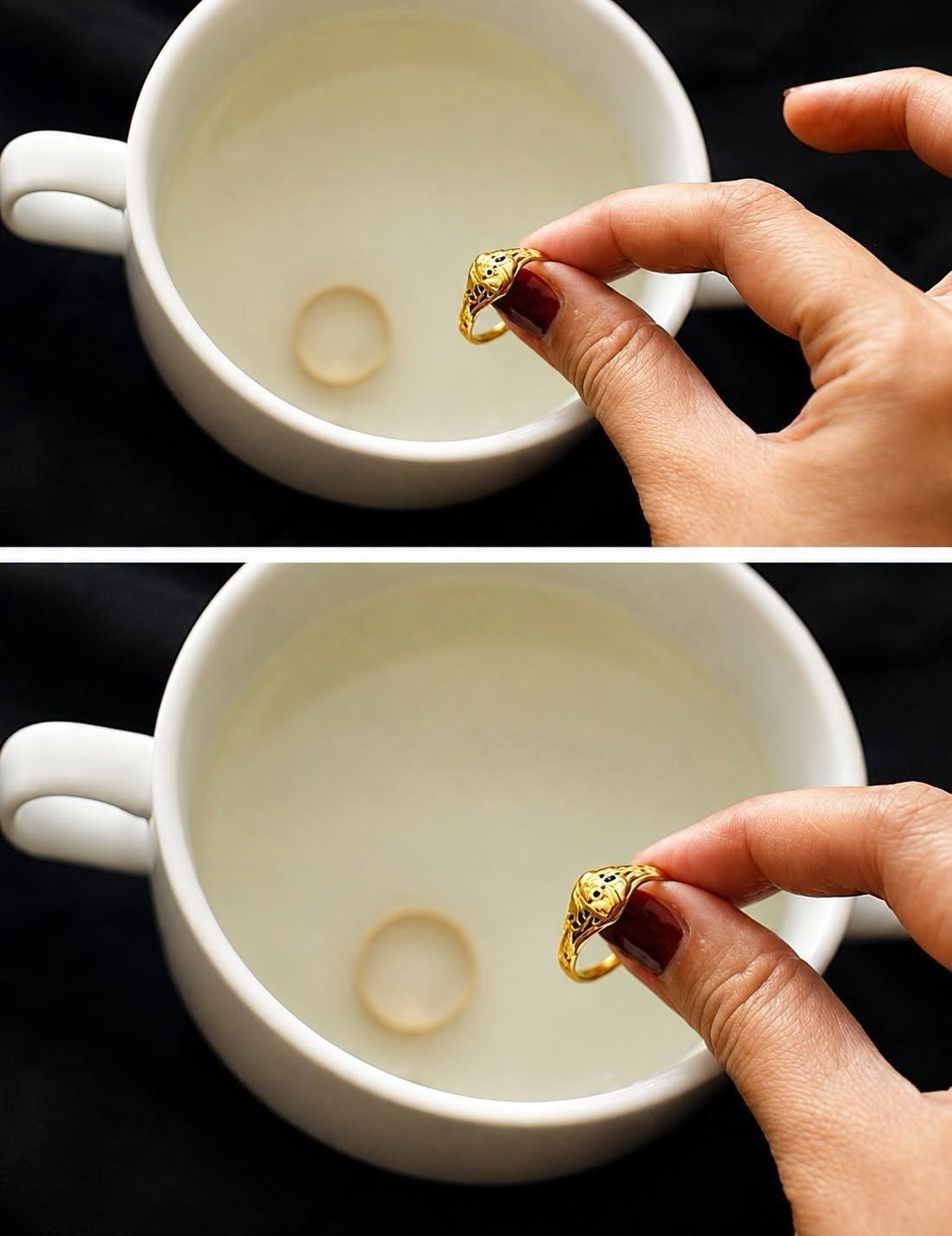
It is a common misconception that gold itself tarnishes or rusts. In reality, pure 24-karat gold is a highly unreactive noble metal that does not oxidize or corrode . When you see a gold ring looking dull, dark, or lackluster, you are not witnessing the degradation of the gold itself. Instead, you are seeing a buildup of foreign substances on its surface. Daily exposure to skin oils, sweat, hand lotions, perfumes, and even the natural oils from your fingers creates a film that traps dust and dirt . This layer of grime sits on top of the metal, blocking the way light reflects off the surface, which is what we perceive as a loss of shine.
The Role of Alloys in Discoloration
While pure gold is inert, the gold used in most jewelry is not pure. To make gold durable enough for daily wear, it is alloyed with other metals such as copper, silver, zinc, or nickel . It is these alloying metals that are responsible for what looks like tarnish. When exposed to compounds like sulfur (found in some lotions and medicines) or chlorine (found in pools and cleaning products), these base metals can react and corrode, leaving a dark film on the surface of the jewelry . This is why higher-karat gold (like 18K or 22K) tends to resist discoloration better than lower-karat pieces; there is simply more gold and less reactive alloy present.