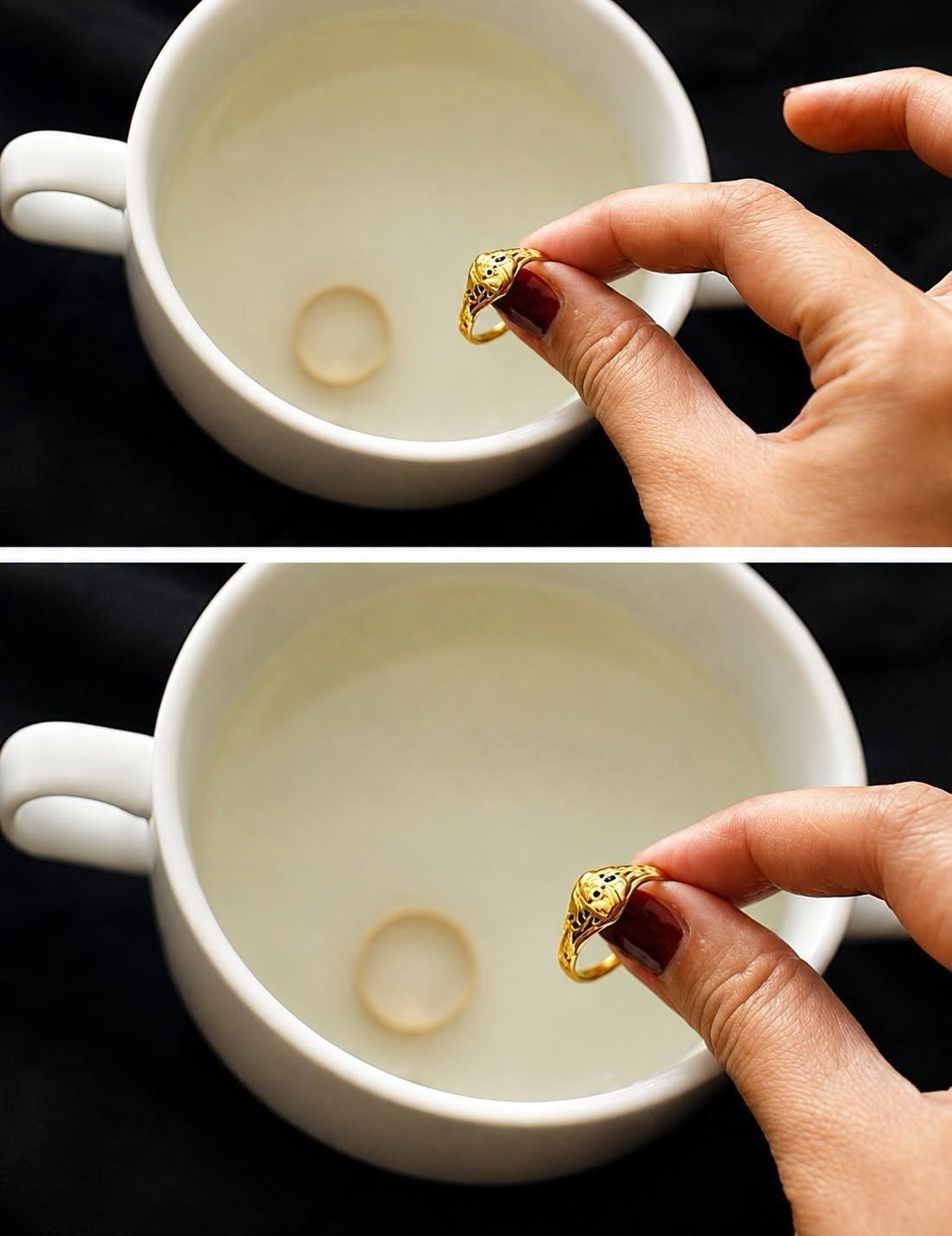
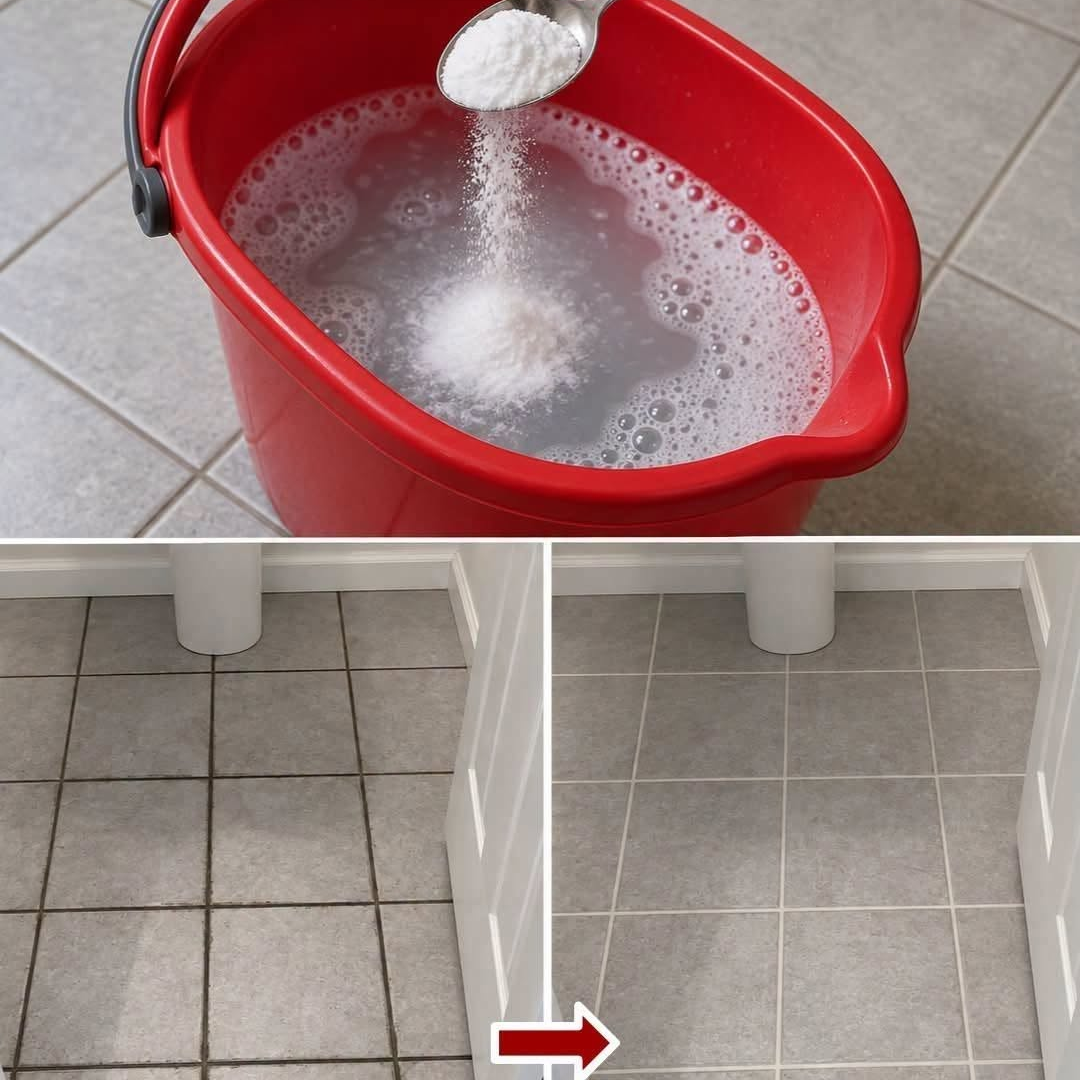
The internet is filled with DIY jewelry cleaning hacks, but many of them are harmful to gold. The most common culprits are toothpaste and baking soda. Both of these substances are mildly abrasive . While they might physically scrub away some surface grime, they also create microscopic scratches on the surface of the gold with every use. Over time, these tiny scratches accumulate and permanently dull the finish of the jewelry, making it look worse than before . For this reason, abrasive pastes should be avoided entirely, especially on high-polish gold and pieces with gemstones.
The Risks of Acidic and Harsh Chemicals
Other popular home remedies involve acidic ingredients like vinegar or lemon juice. While these might be effective at removing tarnish from some metals, they are not recommended for gold. The acid can attack the alloying metals (like copper and silver) in the gold, potentially causing discoloration or damaging the metal over time . Furthermore, these acids can be harmful to certain gemstones or the adhesives used in some settings . Harsh chemicals like chlorine and bleach are even more destructive; they can weaken the solder joints in clasps and chains and even make the gold itself brittle over time . Ammonia-based cleaners and acetone should also be avoided, as they can strip plating and damage treated stones .
Special Considerations for Different Types of Gold
White Gold and Rhodium Plating
If you have white gold jewelry, it is important to understand that its silvery color comes from a thin layer of rhodium plating applied over the gold alloy . While the gentle soap and water method is perfectly safe for cleaning white gold, it will not restore the color once the rhodium has worn away through friction and wear. If your white gold piece starts to look warm or yellowish, the plating has worn thin and it will need to be professionally re-plated to restore its original appearance .
Jewelry with Gemstones
When cleaning gold jewelry that contains gemstones, extra care is required. The warm water and dish soap method is generally safe for hard, durable stones like diamonds, sapphires, and rubies . However, softer or porous stones like pearls, emeralds, opals, and turquoise should never be soaked in water or exposed to cleaning solutions, as this can damage them . For these pieces, a gentle wipe with a damp cloth is usually sufficient. If you are unsure about a specific stone, it is always best to consult a professional jeweler or simply skip the at-home cleaning for that particular piece .
Maintaining the Shine: Prevention is Key
Daily Habits for Long-Lasting Brilliance
The best way to keep your gold jewelry looking brilliant is to minimize its exposure to the things that cause dullness. A simple rule of thumb is “jewelry goes on last and comes off first” . Apply your lotions, perfumes, and makeup before putting on your jewelry, and remove your jewelry before showering, washing dishes, or going to bed . Exposure to water, soap, and sweat during these activities can accelerate the buildup of grime and contribute to tarnishing. Additionally, remove your gold rings before swimming in chlorinated pools or hot tubs, and before engaging in activities that involve harsh chemicals or manual labor .
Proper Storage
How you store your jewelry also plays a significant role in maintaining its shine. Gold is a relatively soft metal, and pieces can easily scratch each other if they are tossed together in a box or bag . Store each piece individually in a soft cloth pouch or a compartment in a lined jewelry box. Keep your jewelry away from bathrooms, where steam and humidity can accelerate tarnish, and consider using silica gel packets in your jewelry box to absorb excess moisture . Proper storage prevents both scratches and unnecessary exposure to the elements that cause dullness.