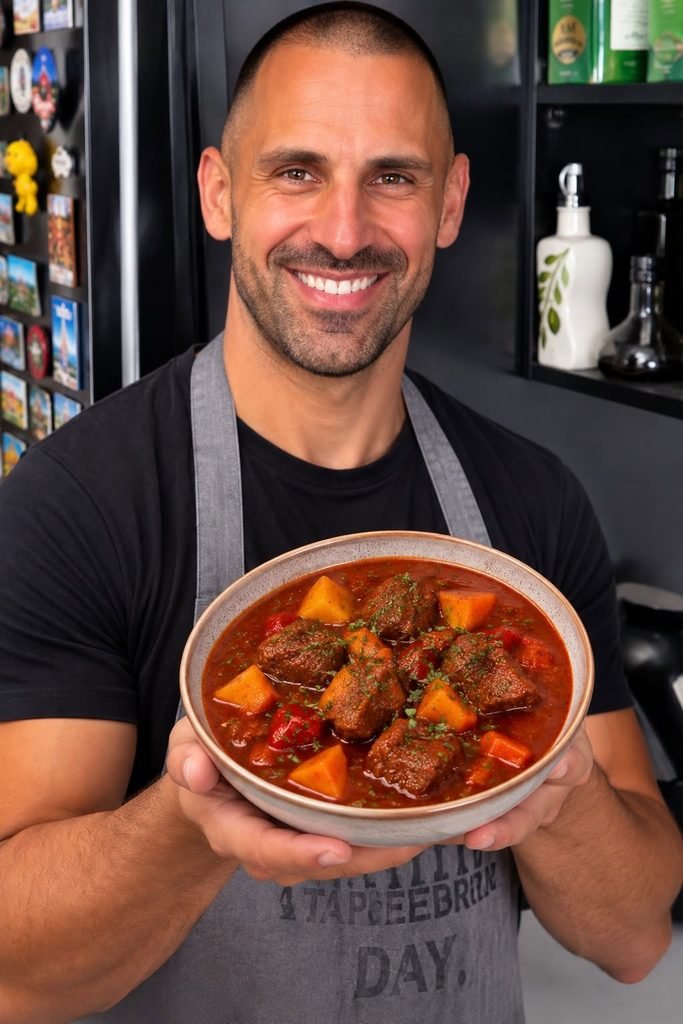
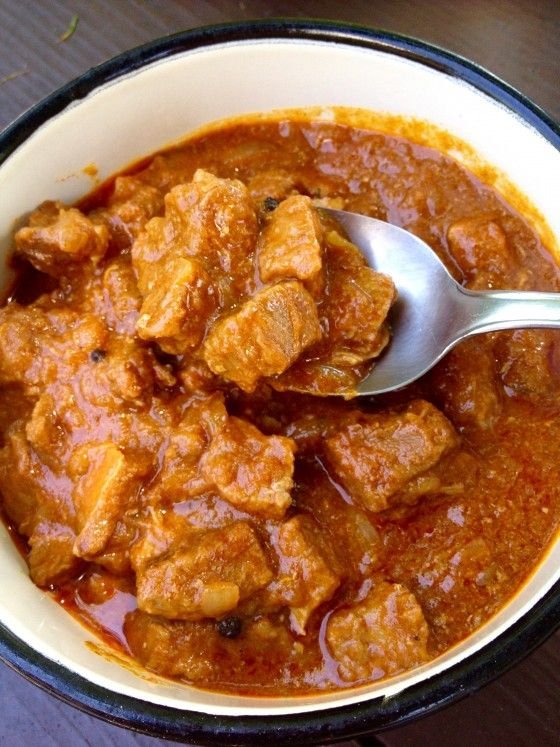
Hungarian Beef Stew (Marhapörkölt): A Rich and Traditional Hungarian Classic
The cooking process is simple, but patience is important.
1. Prepare the Beef
Cut the beef into roughly equal pieces. Trim excessive connective tissue while leaving some fat for flavor.
Pat the beef dry before cooking. This helps it brown rather than immediately steam.
2. Cook the Onions
Heat a little cooking fat or oil in a heavy pot.
Add finely chopped onions and cook them gently until soft and lightly golden.
The onions form the foundation of the sauce, so rushing this step can result in a less developed flavor.
3. Add the Paprika
Remove the pot from high heat before adding the paprika, or reduce the heat significantly.
Stir the paprika into the onions and immediately continue with the next step.
This is important because paprika can become bitter if it is fried aggressively.
4. Add the Beef
Add the beef and stir thoroughly so that the pieces become coated with the onion and paprika mixture.
Season with garlic and other preferred spices.
As the beef cooks, it will release juices that become part of the sauce.
5. Add a Small Amount of Liquid
Unlike a soup, Marhapörkölt does not need to be submerged in broth.
Add a modest amount of water or stock when necessary, cover the pot, and allow the beef to cook slowly.
The goal is to maintain enough moisture for gentle cooking without turning the dish into a thin soup.
6. Simmer Slowly
This is where the magic happens.
Cook the beef gently until it becomes tender enough to break apart easily with a fork. Depending on the cut and size of the pieces, this can take approximately 1½ to 2½ hours or longer.
Stir occasionally and add small amounts of liquid if necessary.
Slow cooking allows the connective tissue in the beef to soften while the sauce becomes increasingly concentrated.
What Should Marhapörkölt Taste Like?
A properly prepared Marhapörkölt should taste rich, savory, aromatic, and distinctly paprika-forward.
The sauce should not simply taste like plain beef broth. Instead, the flavor should come from the combination of slowly cooked onions, paprika, beef juices, garlic, and seasoning.
The beef should be tender but still retain its shape.
A good pörkölt is also characterized by a concentrated sauce rather than an excessive amount of liquid.
Marhapörkölt vs. Hungarian Goulash
These two dishes are often confused outside Hungary.
Marhapörkölt is generally thicker and more concentrated, with meat cooked in a relatively small amount of liquid.
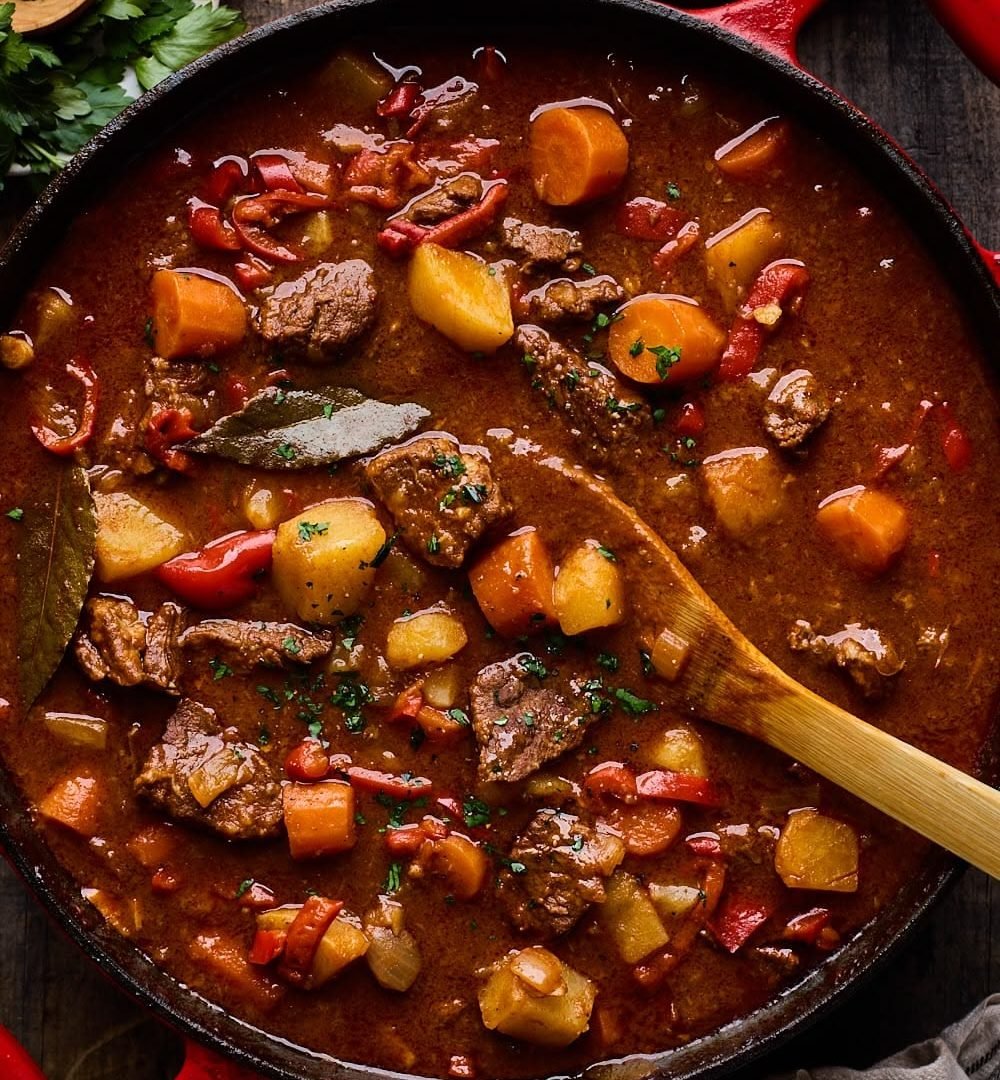
Goulash soup, or gulyásleves, is much more liquid and usually includes vegetables such as potatoes and carrots.
Both use paprika and share important elements of Hungarian culinary tradition, but they are different dishes.
What to Serve With Hungarian Beef Stew
Marhapörkölt pairs beautifully with several traditional side dishes.
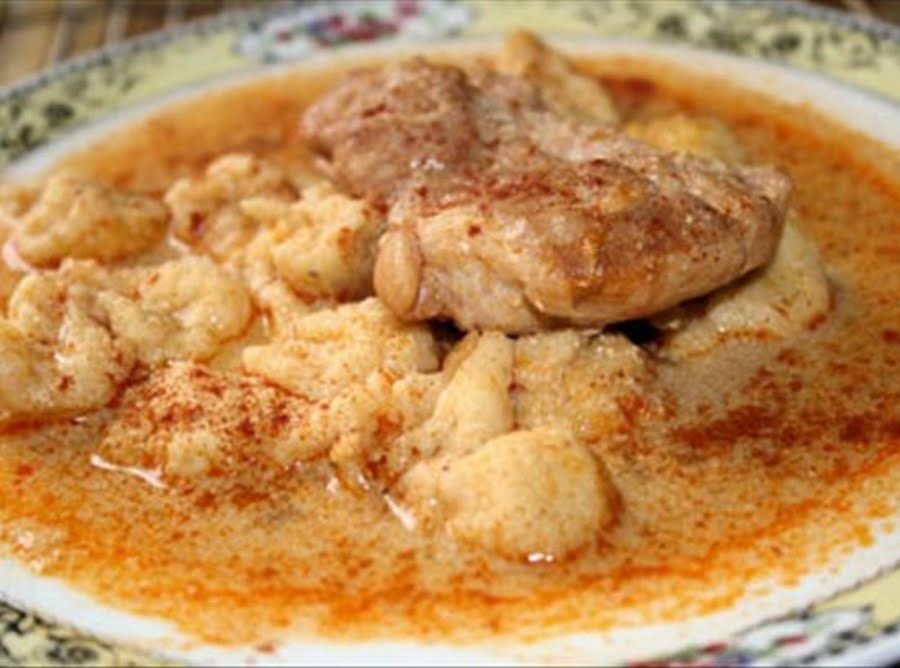
Nokedli
Soft Hungarian egg dumplings, known as nokedli, are one of the most popular accompaniments. Their soft texture is ideal for absorbing the rich paprika sauce.
Potatoes
Boiled potatoes provide a simple and comforting side that works particularly well with the concentrated sauce.
Pasta
Egg noodles or other simple pasta can also be served alongside the stew.
Fresh Bread
A thick slice of crusty bread is another excellent choice, especially for soaking up the remaining sauce.
Pickles
Hungarian-style pickles, cucumber salad, or sauerkraut can provide a refreshing contrast to the rich beef.
Helpful Cooking Tips
Choose the right beef. Stewing cuts with some connective tissue generally become more tender and flavorful during slow cooking.
Do not burn the paprika. This is one of the most important techniques in the dish.
Don’t add too much liquid. Pörkölt should be rich and concentrated rather than watery.
Cook slowly. High heat can make the meat tougher and prevent the sauce from developing properly.
Give it time to rest. Like many slow-cooked dishes, Marhapörkölt can taste even better after sitting for a short time before serving.
Make it ahead. The flavors often become even more integrated after refrigeration and gentle reheating the next day.
Traditional Variations
Hungarian households have their own versions of pörkölt.
Some cooks include tomatoes or green peppers, while others keep the recipe extremely simple, allowing beef, onion, paprika, and garlic to dominate.
The type of paprika can also change the final character. Sweet paprika creates a mellow, aromatic dish, while a combination of sweet and hot paprika gives it more heat.
Some recipes use lard or another traditional cooking fat, while modern versions may use vegetable oil.
These variations are part of what makes Hungarian home cooking so interesting: there is not necessarily one universal family recipe.
A Dish Built Around Patience
Marhapörkölt demonstrates an important principle of traditional cooking: simple ingredients can produce remarkable flavor when given enough time.
There is no need for an elaborate sauce or complicated technique. The transformation comes from slowly cooking onions, carefully handling paprika, and allowing beef to simmer until tender.
The result is deeply comforting and unmistakably Hungarian.
Final Thoughts
Hungarian Beef Stew, or Marhapörkölt, is a classic dish built on beef, onions, paprika, patience, and tradition. Its rich sauce and tender meat make it ideal for family dinners, cold-weather meals, and anyone who enjoys hearty European comfort food.
Served with nokedli, potatoes, noodles, bread, or pickles, it offers a satisfying taste of Hungarian home cooking.
Most importantly, Marhapörkölt proves that a handful of humble ingredients can become something extraordinary when they are cooked slowly and with care.